What Age Should Toddlers Start Reading? Tips for Parents
What Age Should Toddlers Start Reading? Tips for Parents
Jul 09, 2025
Key Highlights
- Early literacy is influenced by exposure to books and reading activities during the toddler and preschool years.
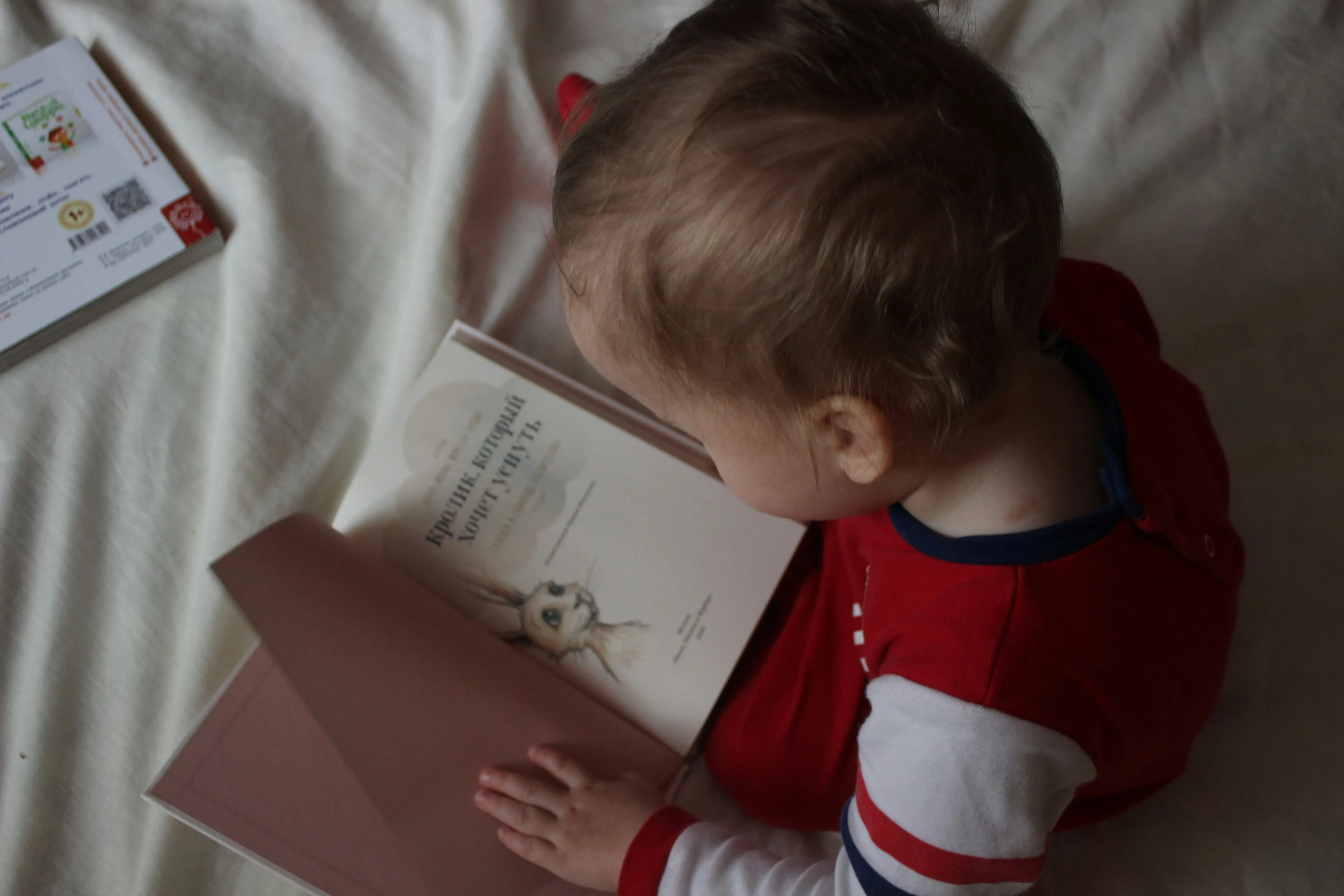
- Toddlers as young as six months can begin enjoying books through pictures and hearing stories.
- By ages 3–4, many children start recognizing letters of the alphabet, familiar words, and letter sounds.
- Parents play a crucial role in fostering a love of reading by building routines and engaging kids during storytime.
- Reading stepping stones vary for young children, but consistent exposure enhances phonemic awareness, comprehension, and vocabulary.
- Understanding readiness signs ensures parents introduce reading effectively while maintaining a fun learning environment.
Introduction
When should a toddler start to read? Many parents think about this question in the early years of their child's life. Helping a child build literacy skills does not have to include strict lessons. It is about spending time with books and making reading a fun habit. Spending time reading in the early years is key to helping a toddler enjoy words and get ready for future learning. Most toddlers begin to read on their own around ages 5 to 6, but their love for books and reading grows much earlier. Their journey with literacy starts early when you read or do easy activities with them every day.
Understanding Early Literacy and Why It Matters

Why is early literacy so important? Teachers, reading experts, and parents all say that it helps children build key language skills. When you bring books to toddlers during the early years, it helps their vocabulary grow and gets them used to reading. This sets them up for future success.
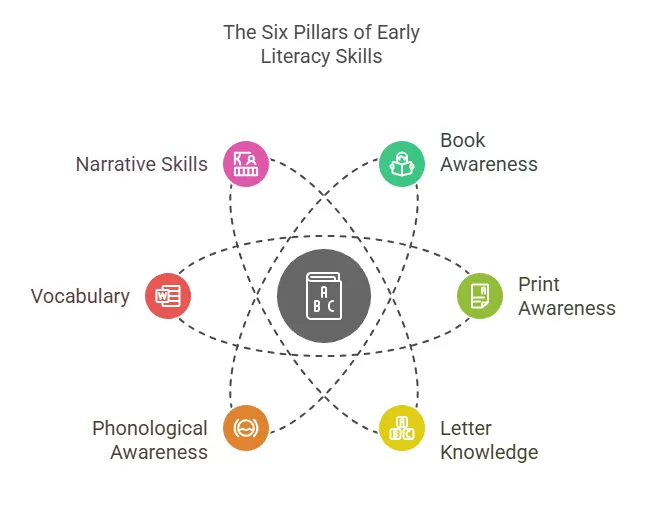
Early literacy is more than just knowing words. It also helps build phonemic awareness and comprehension, which are at the heart of strong reading skills. When young children listen to syllables and learn how to connect sounds to letters, it becomes easier for them to pick up literacy later on. These fun and simple steps not only help their reading but also support their thinking, feelings, and overall language development.
What Is Early Literacy?
Early literacy means having the basic skills needed to use written language well. This starts much earlier than most people think. It can begin in infancy when kids hear stories or look through books. Seeing books and listening to words helps a child build their vocabulary. They meet new words and start to link spoken words with the written ones.
Toddlers begin to pick up these skills slowly. They hold books, look at the pictures, and point at things they know in the illustrations. Doing this turns learning into something you do together. Kids start to notice print all around them and feel curious about letters of the alphabet, the way words sound, and how reading works.
When parents read with their children each day, it helps make a strong base for literacy. Reading rhymes or showing the alphabet can be fun and playful. Together, you help your child find meaning in words and letters. Giving toddlers a chance to learn new words at their own speed gets them ready for reading and gives them the tools they will use to reach fluency as they get older.
The Benefits of Early Exposure to Reading
Opening a book with a toddler is more than just something fun to do. It is a great way to help young children grow in many ways. Reading specialists say that when kids start early, they get better at hearing letter sounds and build phonemic awareness. This helps them want to read for life. Small things like turning the pages or looking at the illustrations let the child use their mind and get to know the world.
Reading early with your child helps you both feel close. That time is not only about learning letters. It is about telling stories, waking up curiosity, and having good, happy times together. These moments help children get better at understanding what they hear or read. This makes it easy for them to learn new things in other areas, too.
When toddlers read often, it helps them get into a world of new words and ideas. They start to notice familiar words, letter sounds, and how phonics works. These steps are important if you want to help them read by themselves. Interactively sharing storytime helps children learn without stress. They get to play, talk, find out new things, and build strong skills for life.
Typical Reading Steppingstones for Toddlers in Canada

Kids grow and learn at different ages. These ages have important steps, called stepping stones, that show how a toddler starts to read. In Canada, children usually move through these early literacy skills from when they are babies to when they begin preschool.
By the time a child is six months, the toddler often likes to touch books and look at pictures. By two years, most kids start to have some language comprehension. When they get to about 3 or 4 years old, they can notice common sight words and start to know their alphabet. Parents should try to match learning with the stage their child is in. This helps them keep learning, get good at literacy, and stay curious about books, the alphabet, and language.
Language Development from 6 Months to 2 Years
Language learning begins early, with toddlers advancing through vital literacy stepping stones from six months onward. Books and interactive stories engage them in sensory and cognitive development. This age group starts grasping syllables, spotting patterns, and connecting words to their surroundings.
Here’s a table outlining language development stepping stones during this stage:
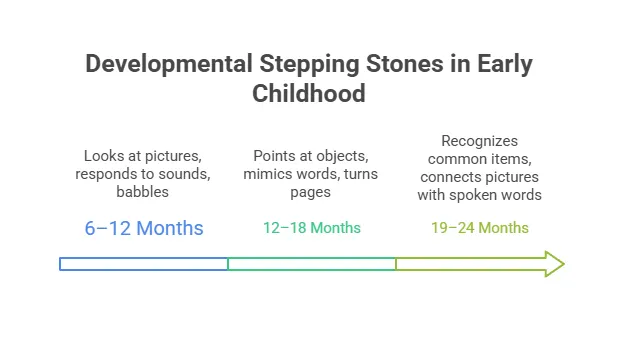
Recognizes common items, connects pictures with spoken words
From repetitively naming objects to stimulating comprehension through activities, parents set the groundwork for language skills. Interactive reading during these early years fosters curiosity and builds a strong vocabulary foundation.
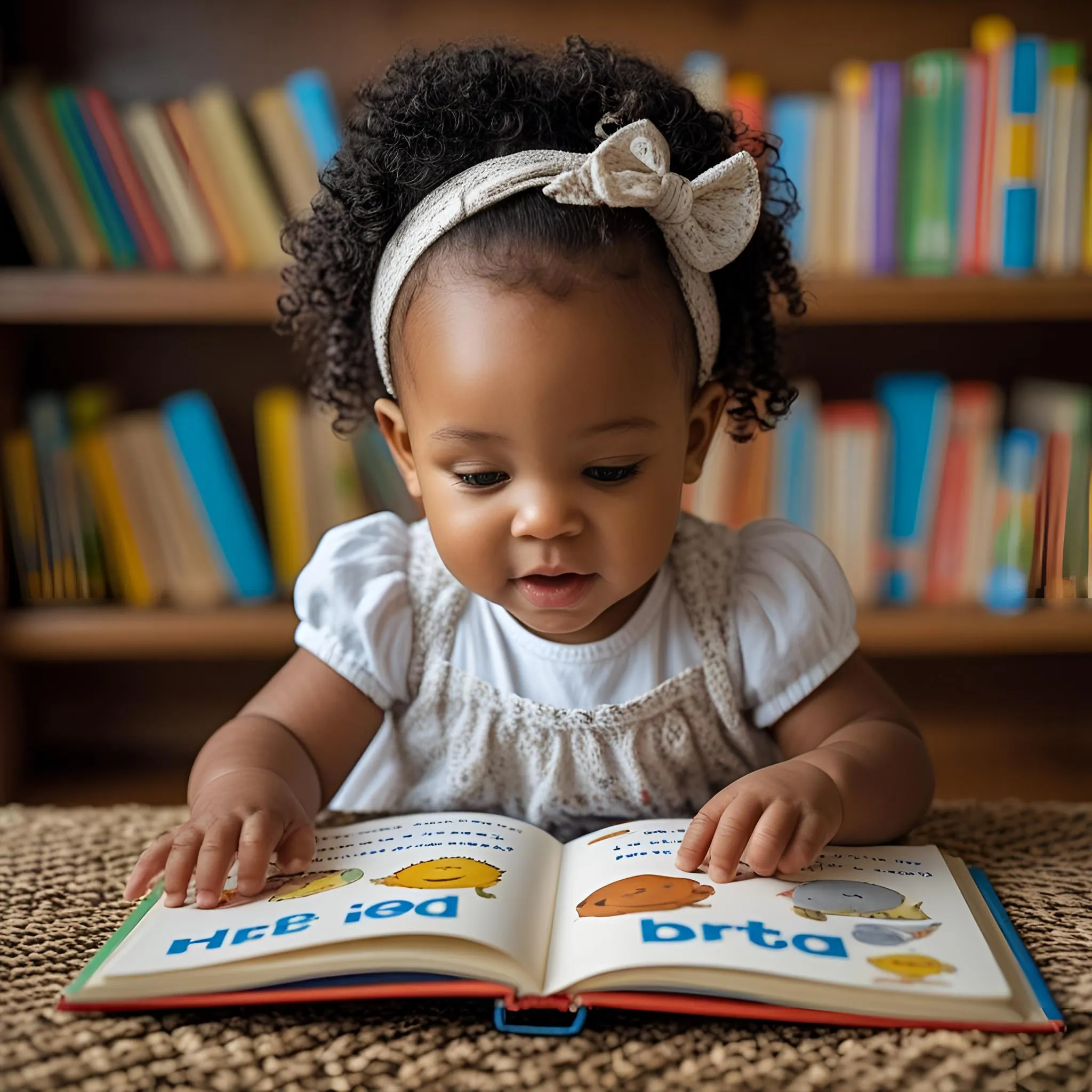
Recognizing Letters and Words by Age 3–4
When children reach the age of 3 or 4, their curiosity about the letters of the alphabet gets stronger. At this age, they begin to associate printed words with sounds they are familiar with. This helps them build basic phonics skills. When kids learn letter sounds, it is one way for them to start putting sounds together. By doing that, they begin to read sight words and improve their literacy skills.
Children at this stage love to spot familiar words and logos. They get excited when they see their name or understand signs. This encourages them to join in and look for words, which helps them reach their stepping stones more quickly. Doing things like singing the alphabet or telling stories with your child can help with their letter comprehension.
If you use fun tools like illustrated books and alphabet flashcards, you can help your child learn more about literacy and their curiosity. Mixing these activities with times to play and explore will make learning fun. This gives the child a great start for kindergarten and helps with their growth in both mind and feelings.
Signs Your Toddler Is Ready to Start Reading
Seeing the signs that a toddler is ready to read can help you know when they are interested in learning. If they often pick up their favorite book or pay close attention to pictures of things, you can start to add some early literacy tasks.
If your toddler shows they want storytime or can point to things on a page and turn the pages, these are good signs that they are ready to grow their reading skills. When you notice these times and use direct instruction, along with the right resources, you help your child learn letter sounds and build their basic literacy step by step. This will give them more skill and confidence as they go forward.
Interest in Books and Storytime
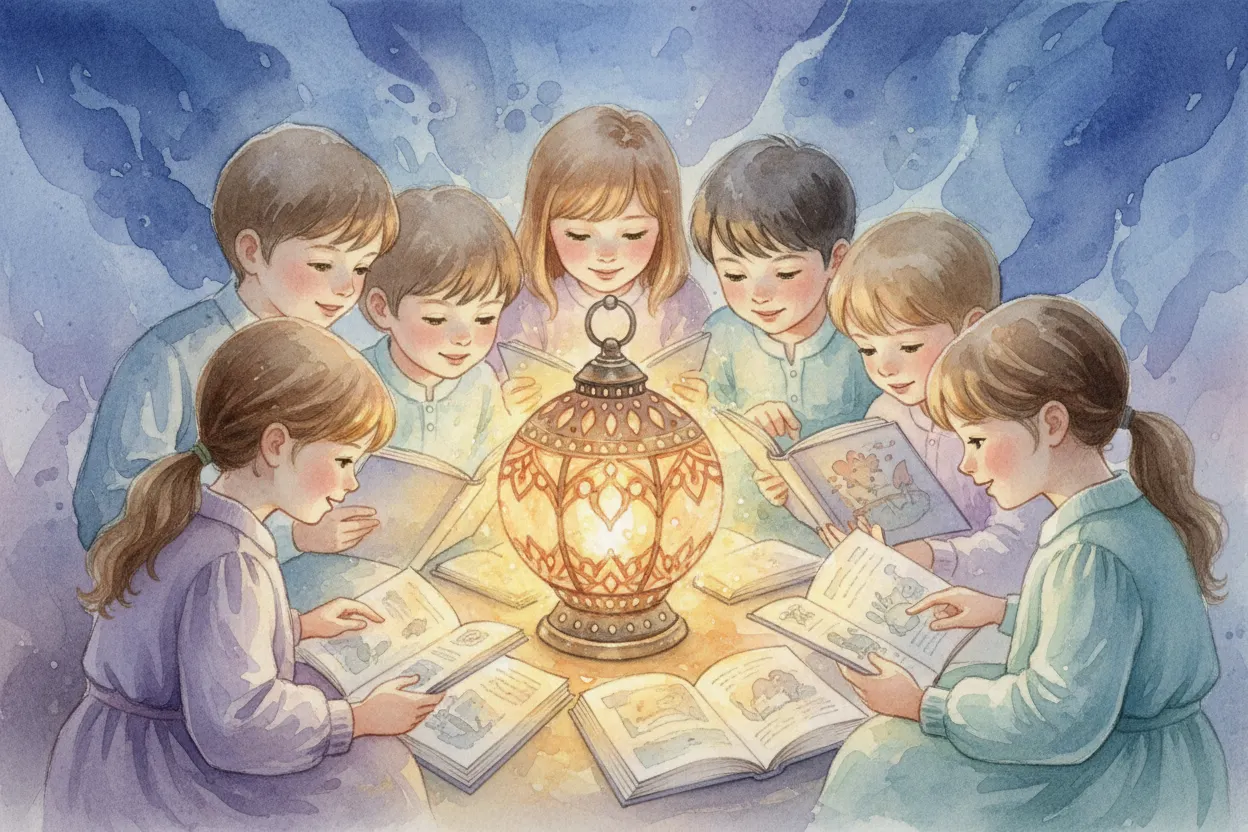
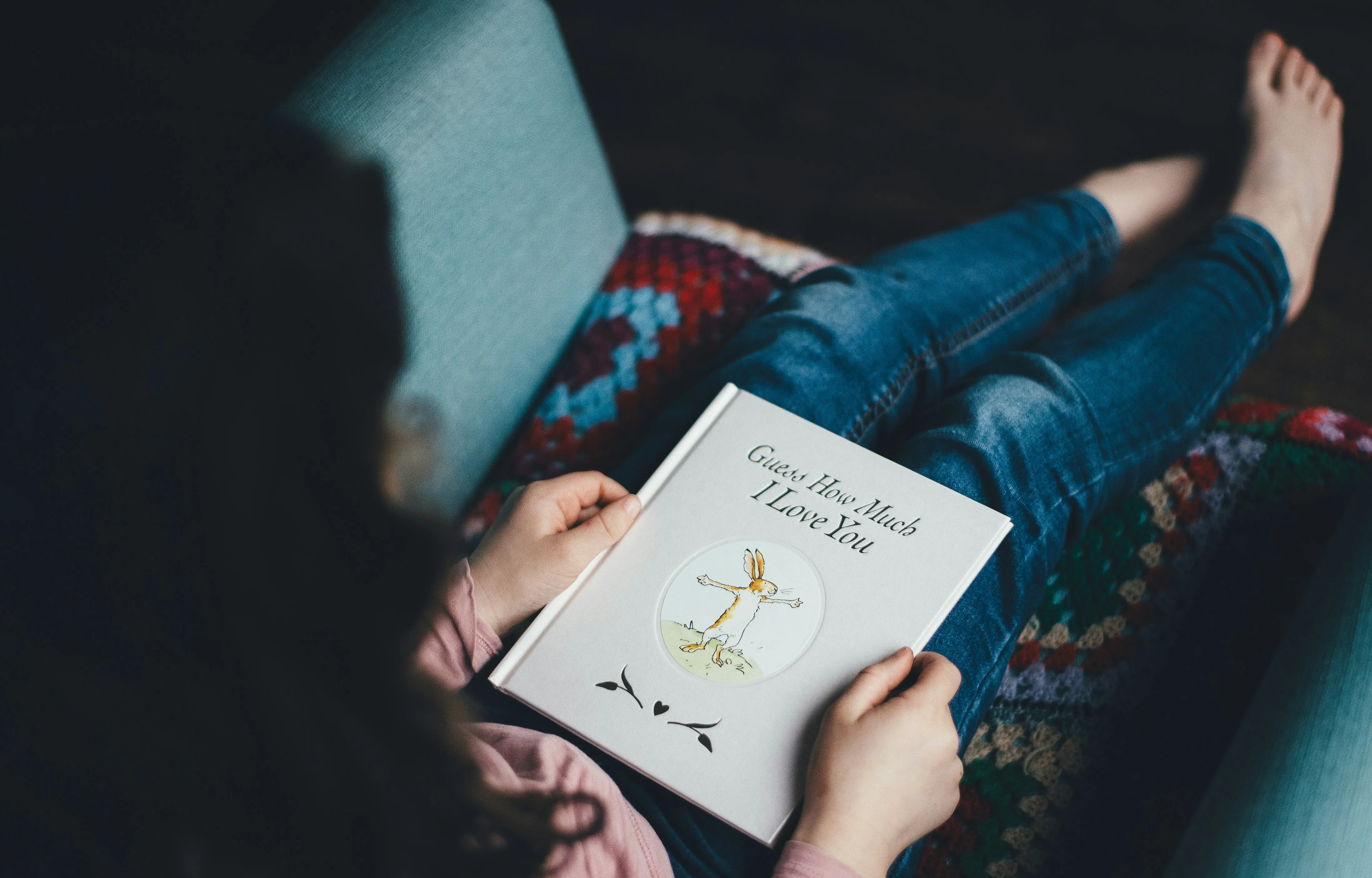
Helping a toddler love books is the first step to making them excited about reading. When you have storytime every day, it builds strong feelings between you and your child. It also helps them learn new words and get better at literacy skills. Young children who look through board books or smile at fun illustrations start to see how much joy comes from listening to stories.
Here are practical ways to know if your toddler is ready:
- Reaching for books during quiet moments shows they are interested in holding real things.
- Showing excitement toward colorful illustrations means their curiosity is getting stronger.
- Reciting phrases or pointing to their favorite book helps them talk with you more.
- Choosing repetitive stories gives them a great time because they know what’s coming, and it helps you bond.
Storytime that uses rhymes or books with different textures encourages them to get to know new words. It also helps them enjoy learning about people and things. When you help a toddler love reading in this way, you give them an easy path to early literacy. You also make reading something they look forward to every single day.
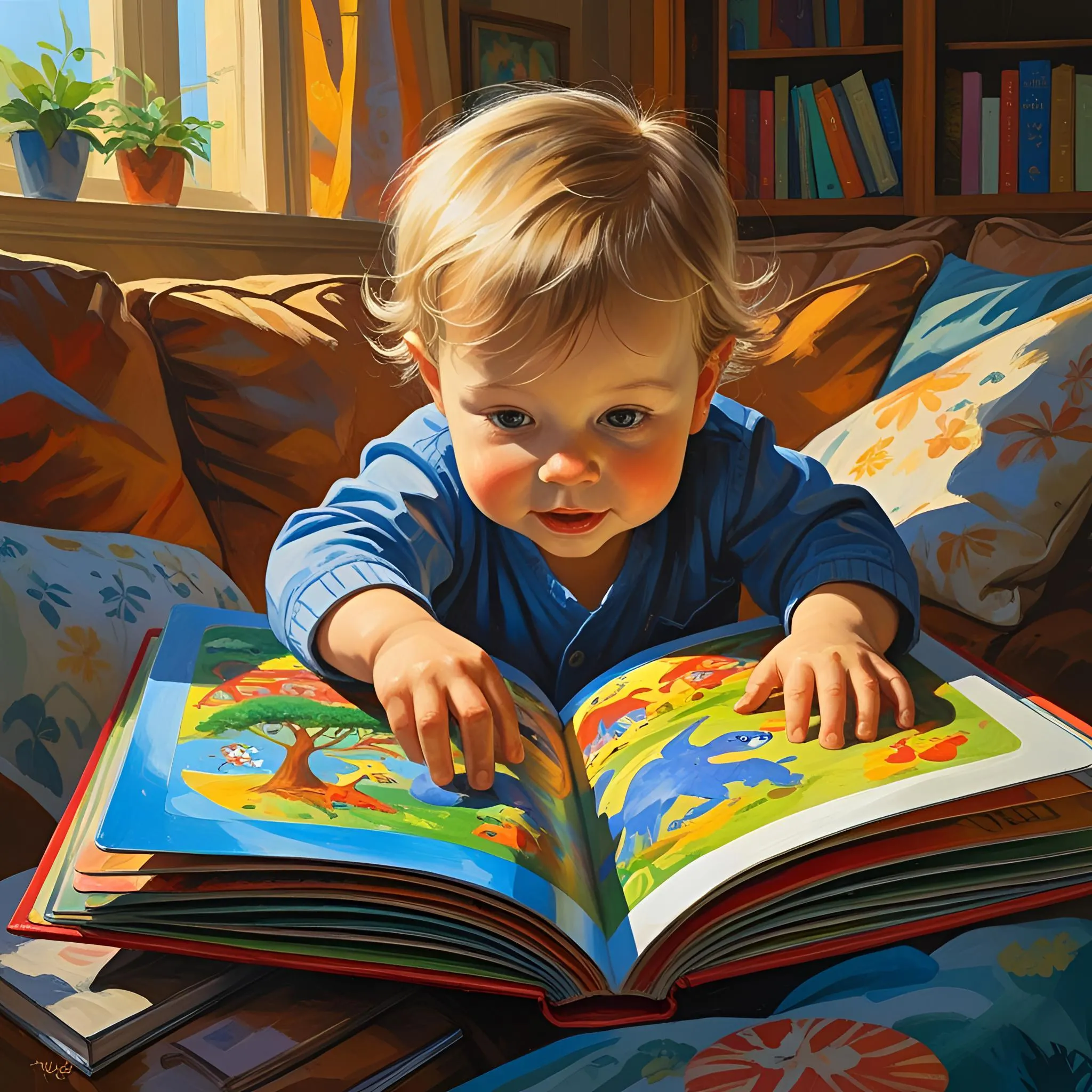
Ability to Point, Turn Pages, and Recognize Pictures
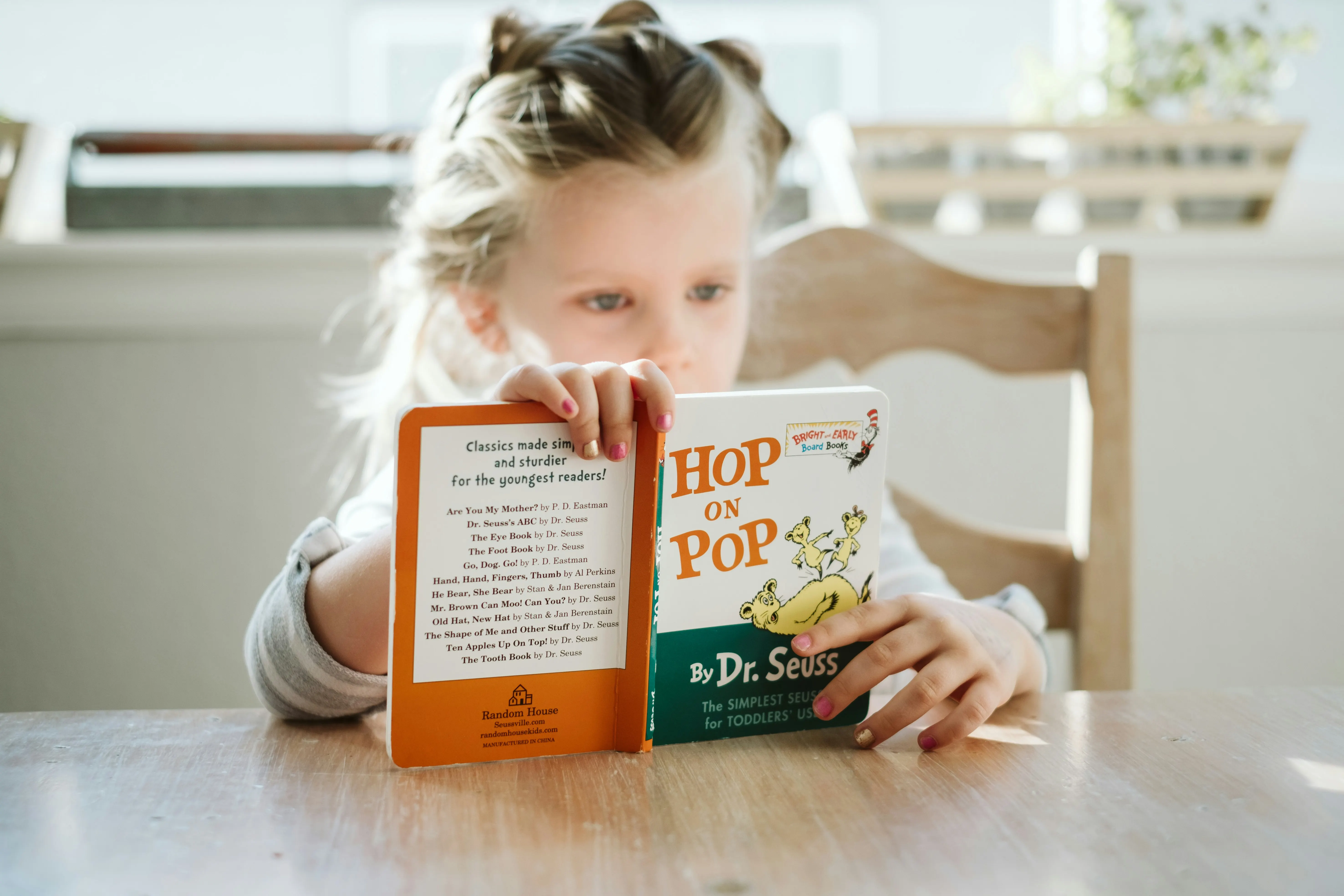
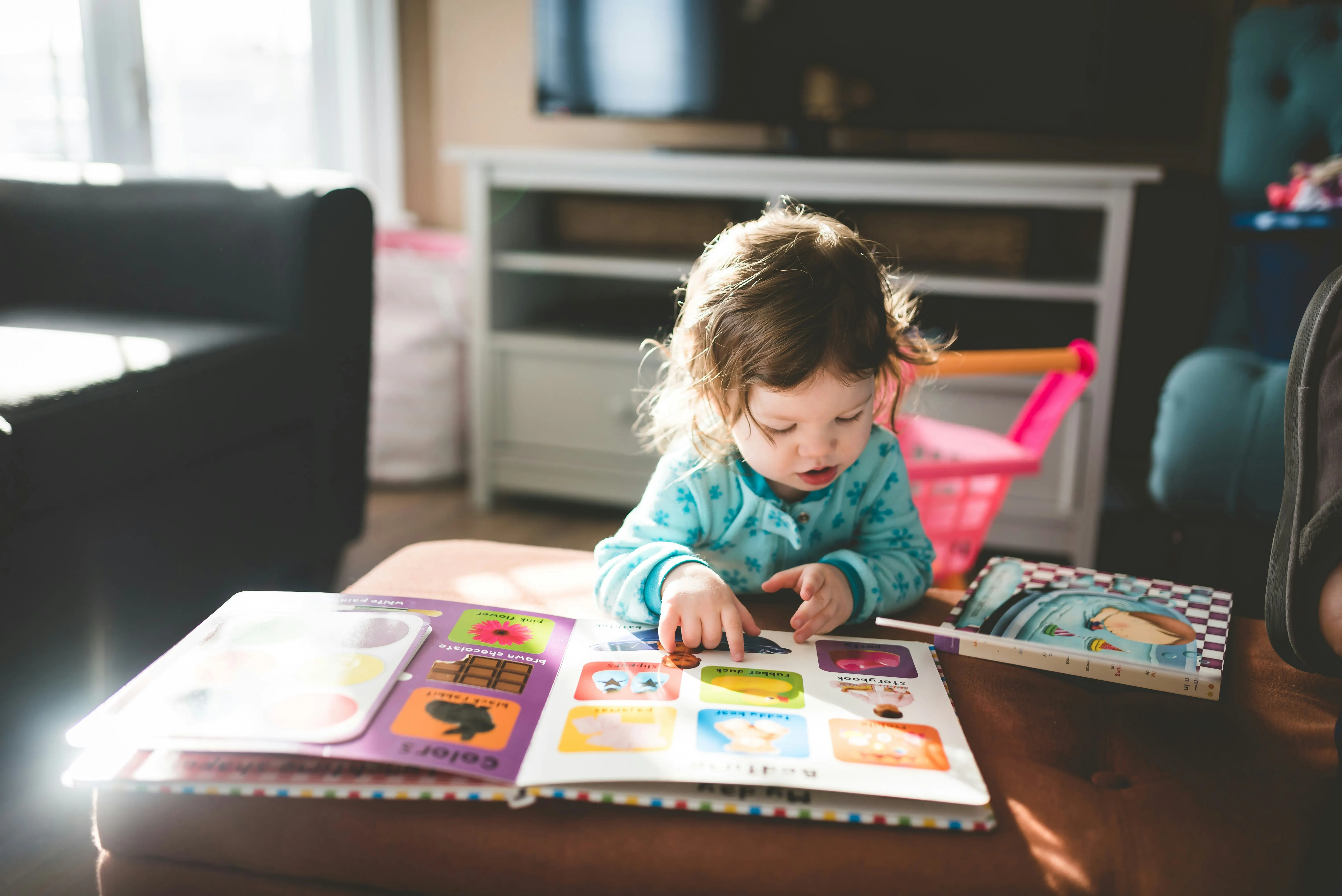
Toddlers show they are ready to learn to read by doing things with books. They may point at pictures of things, turn the page, and pick out images they know. This is a sign that the child uses their hands to learn about books, which helps with early reading skills.
To help young children connect words and pictures, parents can read with them in ways that ask the child to join in. Asking questions like, “Can you find the hat?” is a way to get them involved. This helps the child build comprehension and sparks their interest. Using direct instruction, parents can show how illustrations in a book match with the words, making a strong connection for the child.
When a child identifies objects in a book, they learn new words. By naming things or matching the pictures to real life, young children start to see how letters and words fit together. Over time, this helps grow their vocabulary and leads them to reading on their own. This is a key part of building good literacy skills.
Beginner’s Guide: How to Introduce Reading to Your Toddler
Introducing reading routines to toddlers helps naturally build their early literacy skills. A reading specialist will tell you to pick books that fit your child’s age. It's good to use books with bright illustrations. Using board books lets them touch and feel, making reading more fun and hands-on for them.
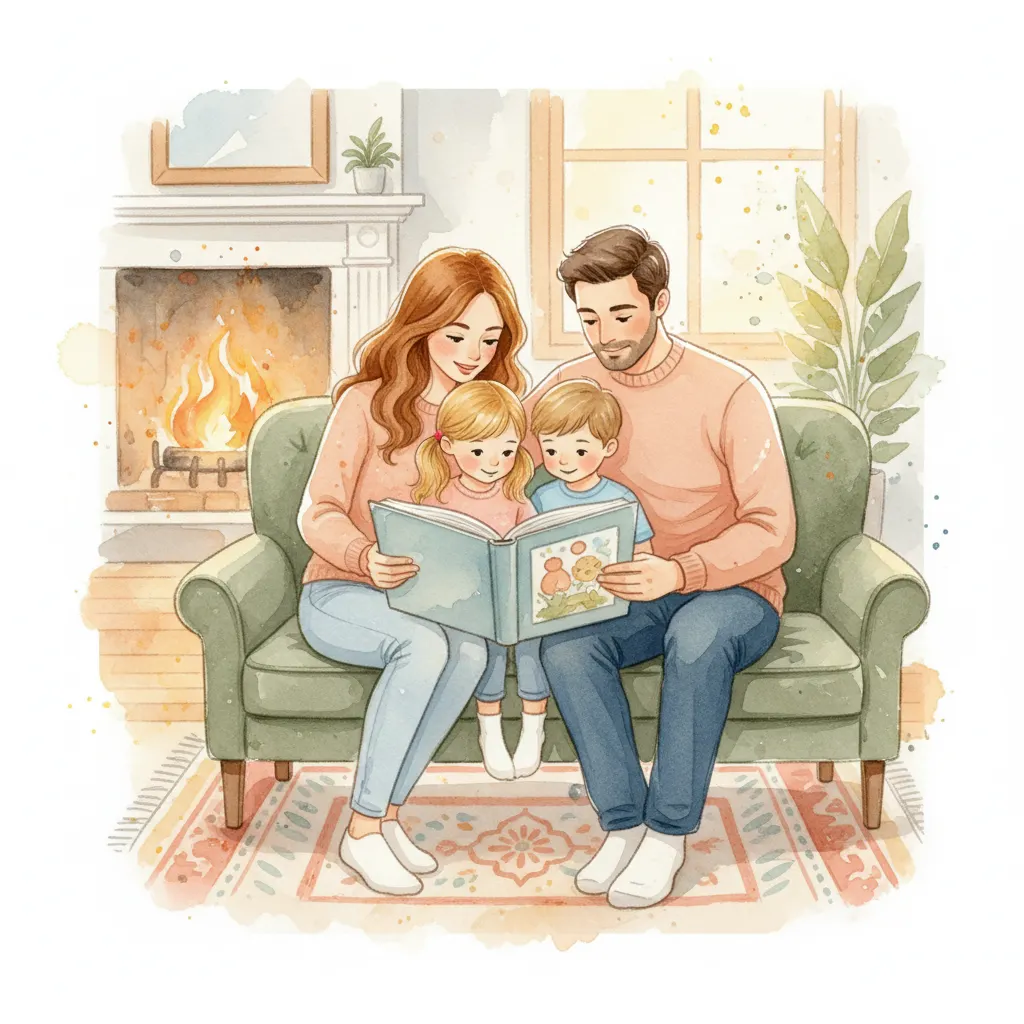
Parents have a crucial role in making reading a happy time. When you read with them often, celebrate small stepping stones, and let them ask questions, your child can grow their skills and fluency bit by bit. Reading many kinds of books during storytime helps them understand more and builds their love to learn for life.
What You’ll Need to Get Started (Books, Environment, Time)
Creating the right setting for early reading is important. You want to fill your space with all kinds of books. Make sure to include board books because these are great for young children. Use books with lots of illustrations and bright pictures of things. These can grab their attention and make reading time more fun.
Set aside a time each day for reading with your child. Doing this every day helps build a love of reading. It also boosts their literacy skills, helps them find new words, and supports vocabulary growth. When they read, young children get to know more words, learn about phonemic awareness, and improve comprehension. Plus, their time with their favorite books makes reading something they really like, which helps their learning in many ways.
Related Articles:
Nature’s Story Time: Enchanting Tales Beneath the Trees
Enjoy Summer: Beach Books & Picnics You’ll Love
Summer Reading Adventure: A Beginner's Guide for Kids
Conclusion
To sum up, it's important to start reading to your toddler early. This helps build their literacy skills. You can begin when your child is as young as six months old. Parents can help their kids enjoy books by looking at pictures and talking about stories together. As toddlers get older, they start to spot letters and words, and this is a big step in their growth.
If you know about the usual reading stepping stones and what to look for, it will be easier to see when your toddler is ready to read. You can make reading fun and give lots of support to your child. Do not worry if your child goes at a different speed than others. Each toddler learns in their way and time, so patience and cheering them on are very important.
If you want to start the early literacy journey with your toddler, sign up now. You will get tips and resources just for you.
Frequently Asked Questions
At what age should I start reading to my baby?
Start reading to your baby from the first day. It is never too early for babies to start learning literacy skills. Babies enjoy sounds and being close to you. You can use interactive board books with colorful pictures and stories to keep their interest. Getting them to know books early helps build a love of reading and grows their literacy as they get older.
How long should daily reading sessions last?
Daily reading sessions for young children should be about 15 to 20 minutes. This gives them enough time to work on their literacy and comprehension without it being too much. Try to keep these sessions relaxing and regular. This helps to build fluency and makes it easy to get into a good routine. Short times spent reading help keep kids interested, happy, and wanting to come back. This way, they can keep getting better at reading skills, little by little, every day.
What if my toddler isn’t interested in books?
If your toddler does not seem interested in books, try showing them different kinds. You can bring in board books that have fun textures or eye-catching illustrations. Many say it is best to make reading playful by using storytime in a fun way. This is a good way to help your toddler grow their love of reading. Over time, these easy steps can make a big difference.
How can I tell if my child is struggling with early reading skills?
Signs that your child may be struggling can be seen when they have a hard time knowing letter sounds, reach important stepping stones late, or have trouble with comprehension during direct instruction. A reading specialist can look for challenges your child may be facing. They can also create special support programs for your child. This helps your child improve literacy skills and gain confidence as they work toward reading on their own.

Written with Augmented Intelligence and SHiNER The Human