Picture-Walk Predict: Strategies for Early Reader Success
Picture-Walk Predict: Strategies for Early Reader Success
Jan 03, 2026
Picture-Walk Predict: Strategies for Early Readers

Key Highlights
- A picture walk activity is a pre-reading strategy where you and a child preview a book's illustrations.
- This method significantly improves early literacy by building vocabulary and prediction skills.
- It enhances the comprehension of the story by familiarising early readers with characters and plot points.
- Using visual cues helps children make connections and generate curiosity about the story.
- Picture walks prepare children for reading the text, making storytime more successful and engaging.
- This shared activity strengthens critical thinking and oral language development.
Watch it on YouTube
Introduction
Are you looking for a simple yet powerful way to boost your child's reading skills? A picture walk is an effective reading strategy that transforms storytime into an interactive adventure. This approach is particularly beneficial for children in kindergarten and is a cornerstone of early literacy development. By visually exploring a book before reading the words, you can spark your child's imagination, build their confidence, and lay a strong foundation for a lifelong love of reading.
Understanding Picture Walks and Their Role in Early Reading

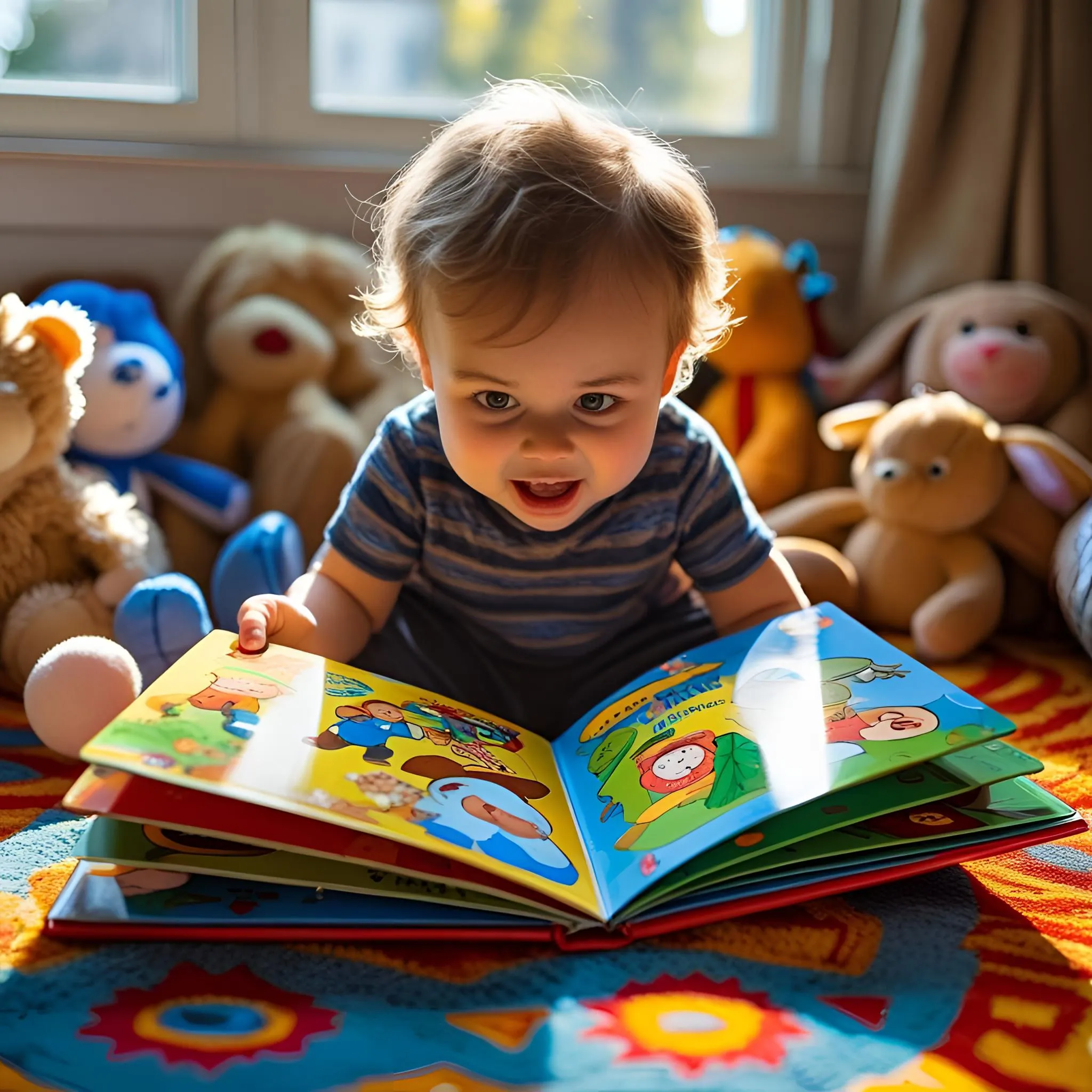
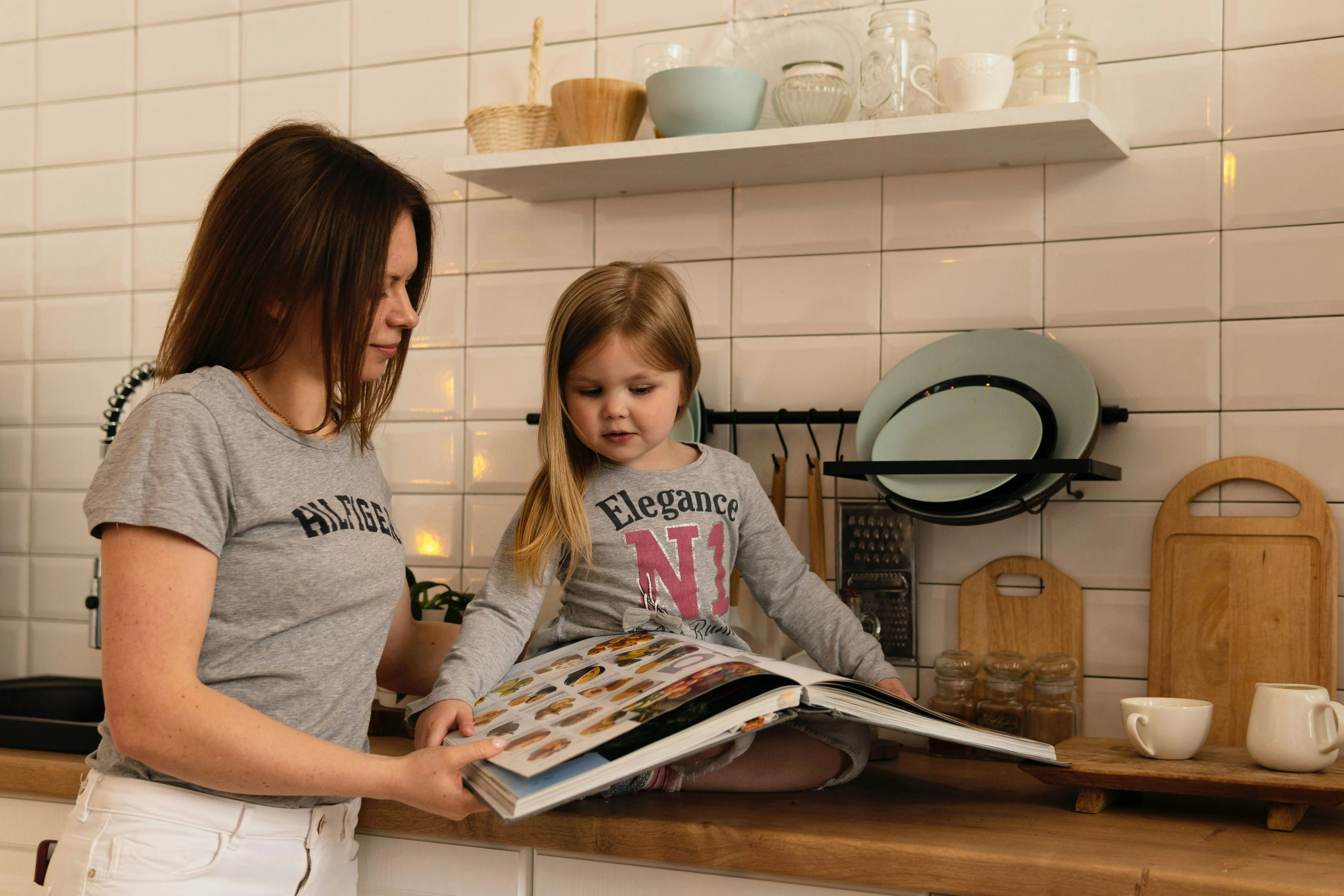
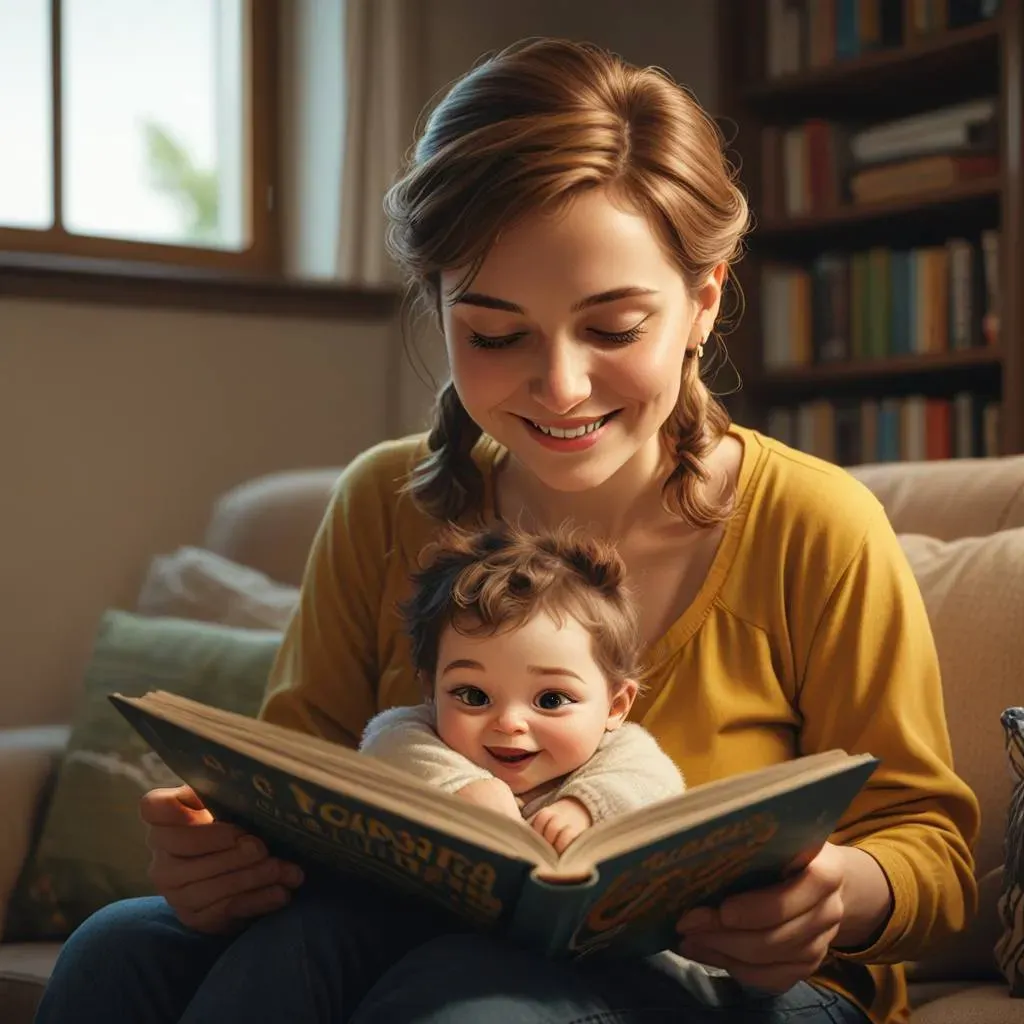
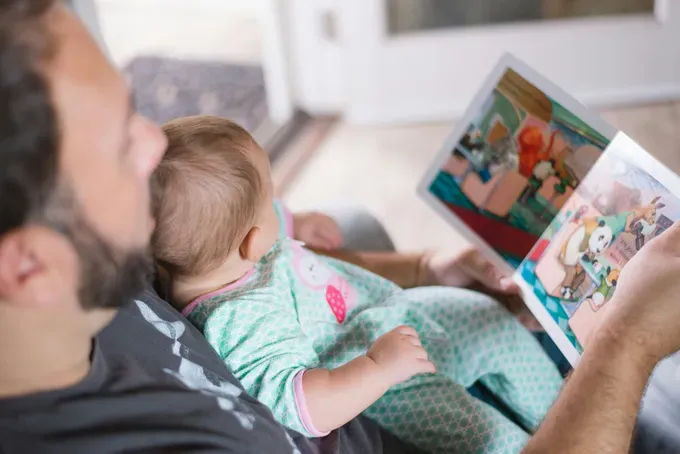
A picture walk is a shared activity where you and your child look through the pictures of a book before you begin to read the text. This simple reading strategy helps early readers get a feel for the story's characters, setting, and potential events, which is crucial for building comprehension.
By previewing the visual elements, children can make predictions and activate their prior knowledge. This process turns reading into an engaging and collaborative experience, setting the stage for deeper understanding. Let's explore what a picture walk activity involves and why it is so effective.
What Is a Picture Walk Activity?
In its simplest form, a picture walk activity is a preview of an unfamiliar book that focuses solely on its illustrations. This shared activity involves an adult and a child exploring the pictures together, page by page, before any of the text is read. The journey begins with the cover of the book, where you can make initial guesses about the story.
As you move through the book, you discuss what you see in the pictures. This interactive dialogue helps familiarise the child with the story’s framework. You are essentially "walking" through the story's visual narrative to understand its key elements without yet reading the words.
The goal of this preview is to build interest and provide context. By looking at the illustrations, a child can start to piece together the plot and characters, making the subsequent reading experience much smoother and more meaningful. It transforms reading from a passive to an active experience.
Why Picture Walking Builds Prediction Skills in Children
Picture walking is a fantastic tool for developing prediction skills, which are fundamental to reading comprehension. When children examine a book's visual cues, they naturally start to wonder what is happening and what might come next. This process encourages them to think ahead and form hypotheses about the plot.
This reading strategy also enhances critical thinking. You can ask your child questions about the characters' expressions or the setting, prompting them to make inferences based on what they see. This helps them connect visual information to the narrative, a skill that directly improves their comprehension of the story once you read it.
Furthermore, a picture walk serves as an excellent opportunity to introduce new vocabulary. By pointing out objects or actions in the illustrations and naming them, you can pre-teach words that will appear in the text. This familiarity allows for a more fluid reading experience with fewer interruptions, boosting both confidence and understanding.
Essential Tools and Resources for Starting a Picture Book Walk
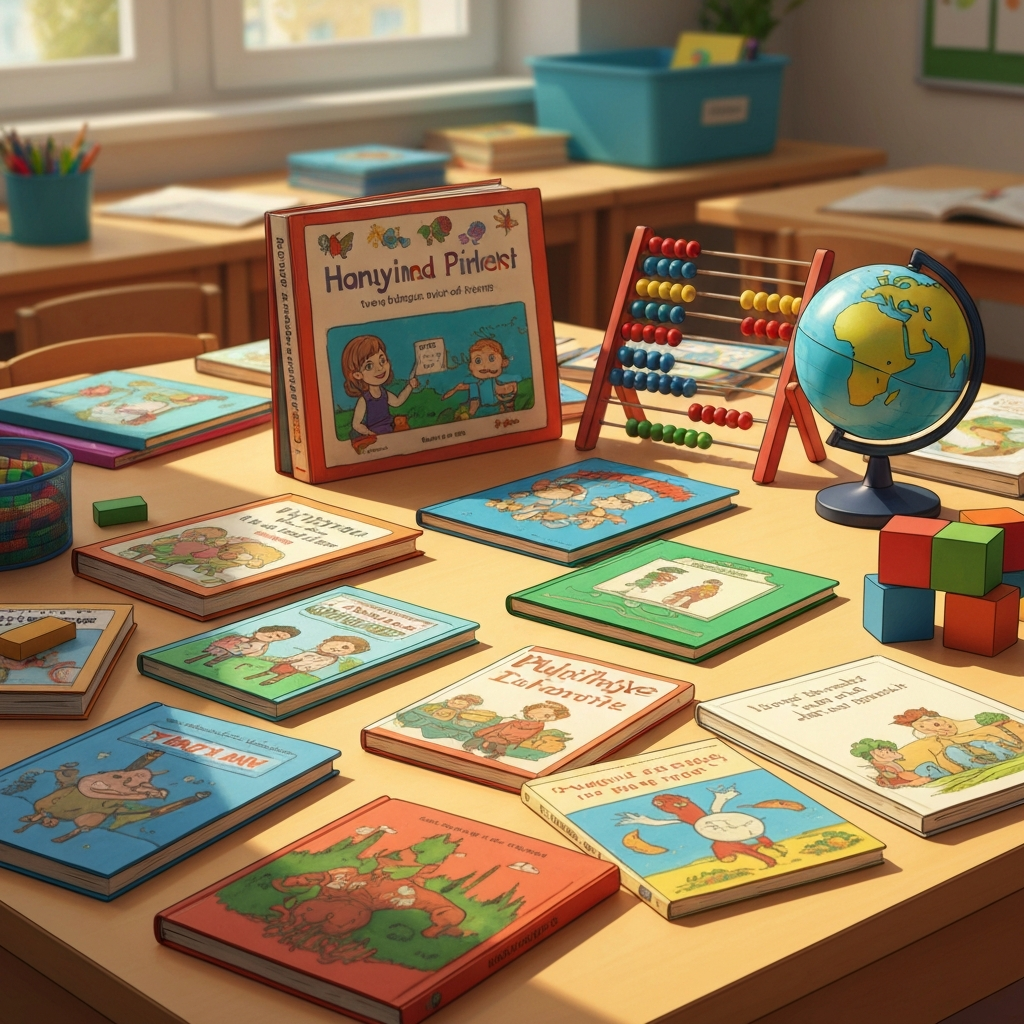
To conduct an effective picture walk, the most important tool is, of course, the right book. Choosing engaging picture books with clear and detailed illustrations is key to capturing your child's interest and sparking their imagination. These visuals are the foundation for building prediction and other reading skills.
Beyond the book itself, creating a comfortable and encouraging atmosphere is essential. A successful picture walk depends on making the experience fun and interactive. Below, we'll discuss how to select the perfect books and prepare your reading environment for success.
Choosing the Right Picture Book for Picture Walking
Selecting the right book is the first step towards a great picture walk. Look for new picture books that you feel your child will genuinely enjoy. The goal is to make reading a pleasure, not a task.
When choosing, focus on the illustrations. The best books for this activity have pictures that are not only colourful and interesting but also directly relate to the story's text. Pay attention to the character look and the details in the background, as these will be your main talking points. Consider books that might introduce new vocabulary through their visuals.
Here are a few things to look for in a picture book:
- Lots of interesting and detailed illustrations.
- Pictures that clearly depict the story's action and emotions.
- A clear connection between the images and the text.
- An engaging cover that invites curiosity.
Preparing Your Reading Environment for a Successful Picture Walk
Creating a positive reading environment is crucial for any early literacy activity. For a picture walk, you want a space that is comfortable, quiet, and free from distractions like screens or loud noises. This helps your child focus on the book and your conversation.
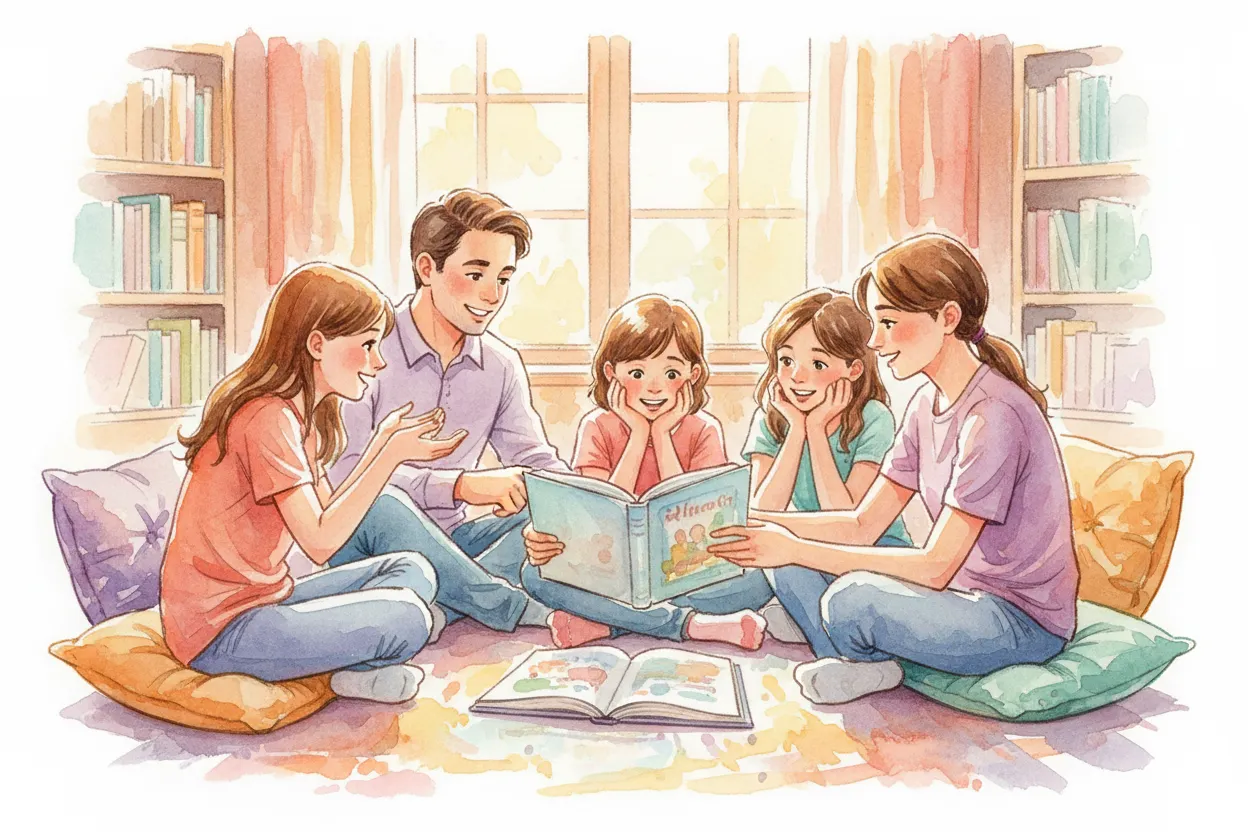
A cosy corner with soft cushions or a favourite chair can make storytime feel special. The goal is to create a warm and inviting atmosphere where your child feels safe to share their ideas and ask questions. A positive setting reinforces the idea that reading is an enjoyable bonding activity.
By setting the stage for a successful picture walk, you enhance your child’s comprehension and make the learning experience more effective. A calm environment allows children of kindergarten age and younger to fully engage with the story and absorb the benefits of this powerful pre-reading strategy.
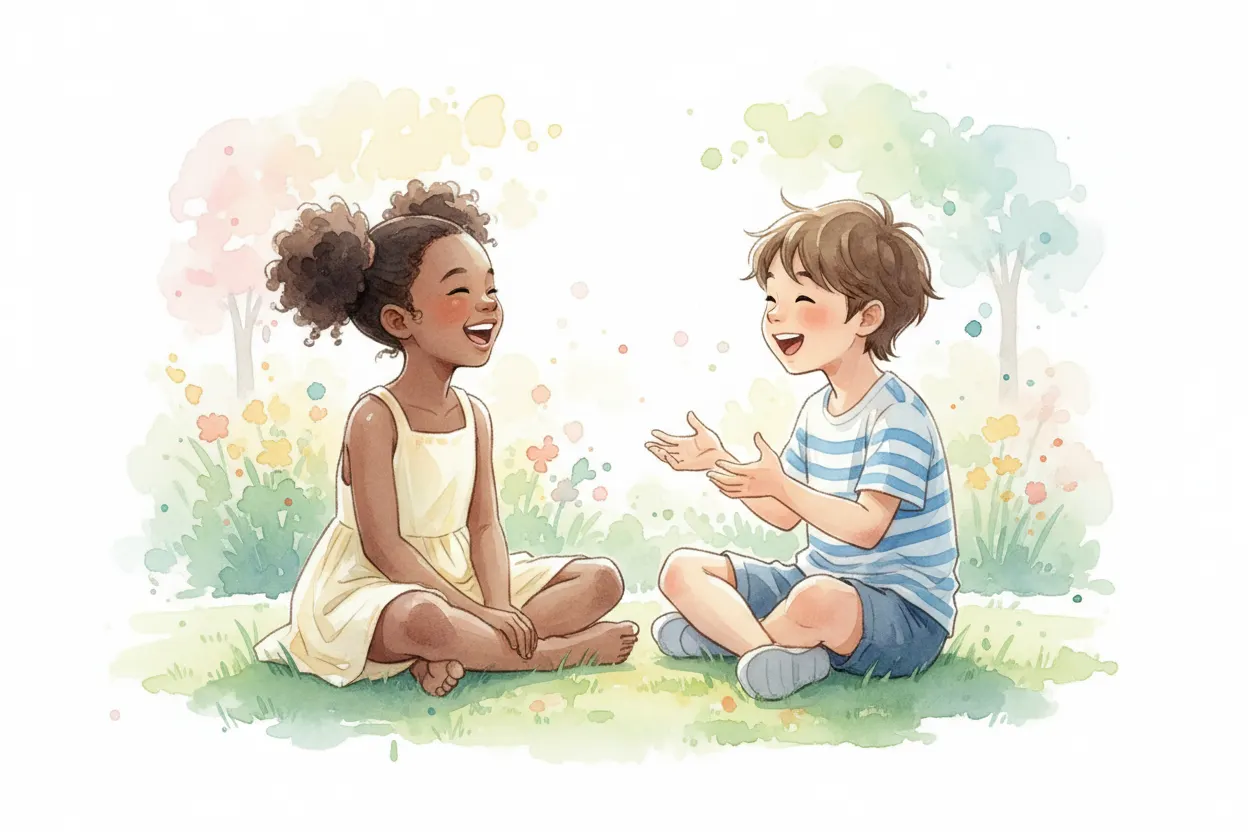
Step-by-Step Guide to Conducting a Picture Walk With Young Readers
Now that you understand the what and why, let's move on to the how. Conducting a picture walk is a straightforward process that can be easily incorporated into your reading routine. This reading strategy is designed to empower young readers by helping them build confidence and comprehension before they even read a single word.
Following a few simple steps can turn this activity into a powerful tool for boosting literacy. Let’s break down how to guide your child through a picture walk to maximise their engagement and understanding.
Step 1: Preview the Cover and Illustrations Together
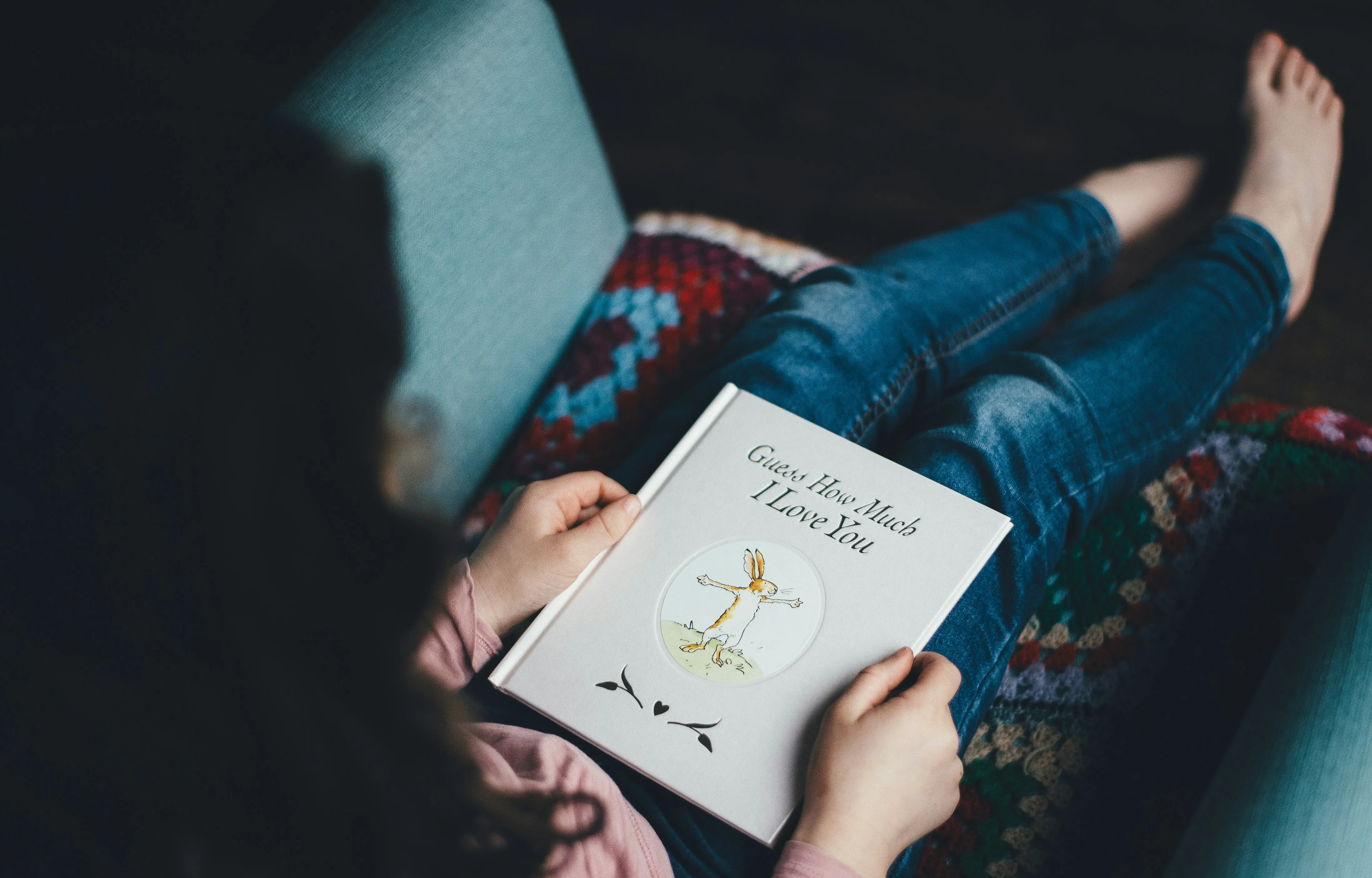
Your picture walk begins before you even open the book. Start by looking at the cover of the book together. Ask your child what they see and what they think the story might be about based on the title and the cover art. This initial preview sets the stage for prediction.
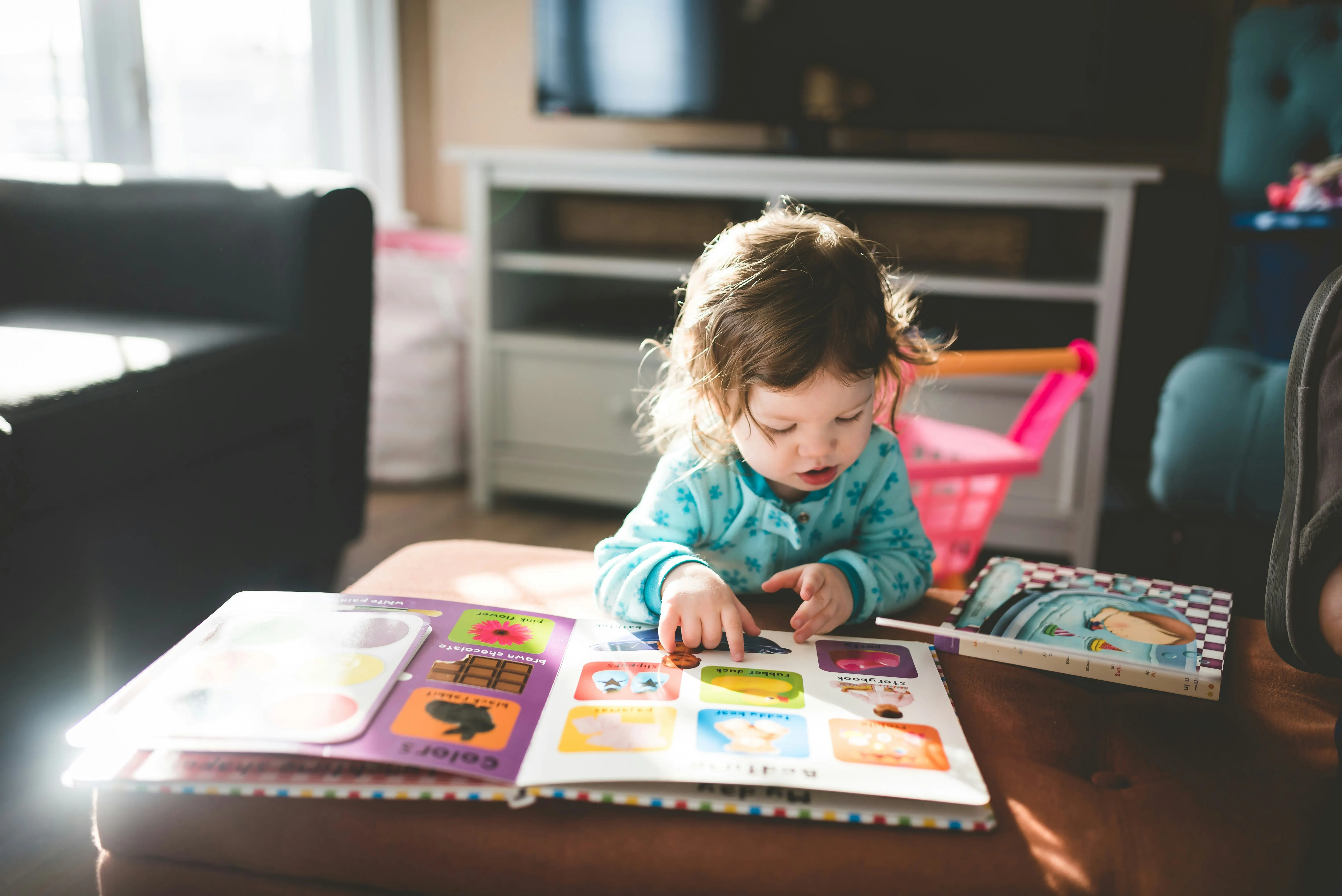
Next, explain that you will look at the pictures together to guess what happens before reading the story. Open the book and slowly turn the pages, pausing at each one to look at the illustrations. Remember, you are not reading the text at this stage; the focus is entirely on the visual cues.
Encourage your child to point out details they notice in the pictures. This step is all about exploration and discovery. By looking through the illustrations in order, your child will begin to form a mental map of the story's sequence, which will support their comprehension later.
Step 2: Encourage Questions and Predictions About the Story
As you look at each page, the key is to encourage dialogue. Asking open-ended questions turns your child into one of the active participants in the storytelling process. This is where their critical thinking and prediction skills truly come to life.
Your questions should prompt them to think about the characters, setting, and plot. By asking "what if" and "why," you help them build essential comprehension skills. You can also use this time to introduce new words by pointing to objects in the pictures.
Here are some questions to guide your conversation:
- Who do you see on this page?
- What do you think is happening here?
- Where do you think the story is taking place?
- How does this character feel? How can you tell?
- What do you think will happen next?
Step 3: Guide the Child Through Each Page’s Visual Clues
Your role during a picture walk is that of a guide, not a lecturer. Help your child notice important visual cues they might have missed. You can do this by pointing to specific details in the illustrations, such as a character's facial expression or an object in the background.
This process teaches children how to use picture clues to make inferences—a vital skill for literacy. For example, you might say, "I see dark clouds in the sky. What do you think that means?" This prompts them to connect visual evidence to a logical conclusion.
By guiding them to interpret the pictures, you are building their comprehension muscles. They learn that stories are told not just through words but through images as well. This understanding will help them immensely when it's time to read the text and confirm or adjust their predictions.
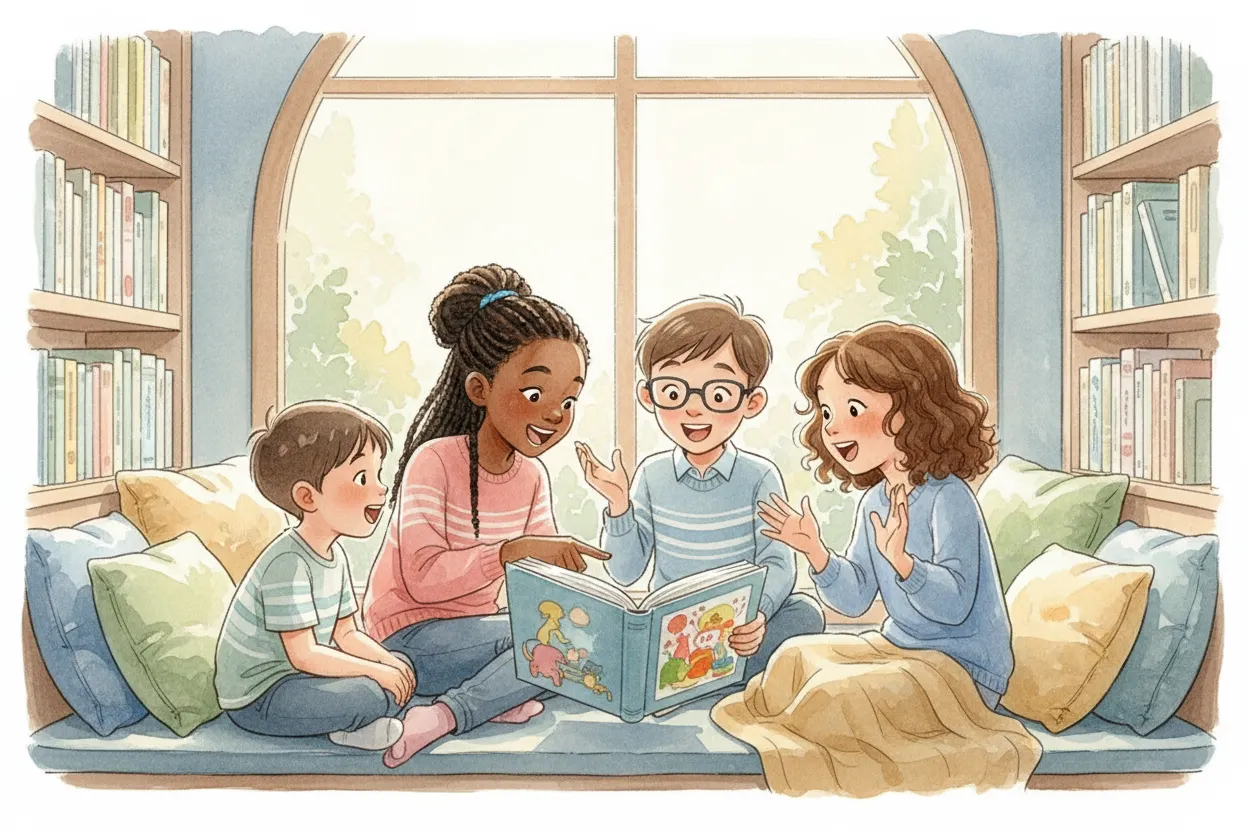
Asking Effective Questions During a Picture Walk Activity
The success of a picture walk often hinges on the quality of the questions you ask. The right questions can ignite a child's curiosity and encourage deep thinking, while less effective ones can lead to simple, one-word answers. An effective picture walk uses questions to foster prediction and critical thinking.
Your goal is to move beyond basic identification and prompt your child to analyse, infer, and connect with the story. The following sections will provide examples of questions that encourage prediction and foster deeper comprehension, helping you make every picture walk a rich learning experience.
Types of Questions That Encourage Story Prediction
Predictive questions are the engine of a picture walk. They encourage children to think ahead and actively engage with the storybook's narrative before it's even read. These questions are open-ended and invite speculation based on the picture clues available.
By asking your child to guess what might happen, you are strengthening their comprehension skills. This practice helps them understand that stories have a structure and that events are often foreshadowed. It's a key step in early literacy development.
Here are some powerful predictive questions to use:
- "Based on the cover, what do you think this story will be about?"
- "What do you think will happen next?"
- "How do you think the story will end?"
- "Why do you think the character is doing that?"
How to Foster Deeper Thinking and Comprehension
To foster deeper comprehension, go beyond prediction and encourage critical thinking. Ask follow-up questions like "Why do you think that?" or "What in the picture makes you say that?". These questions prompt your child to justify their ideas using visual evidence from the book.
Another powerful technique is to connect the story to your child's own experiences. You could ask, "Have you ever felt sad like this character?" or "This reminds me of our trip to the park. Does it remind you of anything?". These connections make the story more relatable and memorable.
This is also a great time to expand their world. During storytime, you can clarify new vocabulary or concepts introduced in the illustrations. By building this background knowledge, you are equipping your child with the tools they need for deeper comprehension when they read the story.
Common Mistakes to Avoid When Doing a Picture Walk
While a picture walk is a simple strategy, a few common mistakes can reduce its effectiveness. To ensure the activity successfully builds reading skills, it's important to be mindful of your approach. The goal is to guide children to become active participants, not to give them all the answers.
Avoiding these pitfalls will help you create a more engaging and beneficial experience that truly boosts your child's confidence and comprehension. Let's look at how to find the right balance in your guidance and keep your child focused.
Overleading Versus Prompting—Finding the Balance
One of the biggest challenges in a picture walk is finding the balance between prompting and overleading. Prompting involves asking guiding questions like, "What do you notice about the boy's face?". Overleading, on the other hand, gives the answer away: "The boy looks sad, doesn't he?".
To avoid overleading, try modelling your thought process out loud. You could say, "Hmm, I'm looking at the mother's face. I think she looks mad. Do you agree?". This invites your child to share their own insights without being told what to think. This technique is crucial for developing their own prediction and comprehension skills.
Remember to acknowledge your child's input with neutral responses that don't reveal whether they are "right" or "wrong." Phrases like, "That's an interesting idea!" or "Let's keep reading to find out!" encourage continued participation without spoiling the story.
Ensuring Engagement and Avoiding Distractions
Maintaining engagement is key to a successful picture walk, especially with young readers whose attention spans can be short. The first step is to choose a book that genuinely interests them. When a child is excited about the topic or characters, their engagement will naturally be higher.
Creating a distraction-free zone is also important. Turn off the television, put away phones, and find a quiet spot where you can both focus on the shared activity. This signals that storytime is a special, dedicated time for connection and learning.
Your own enthusiasm plays a huge role in this reading strategy. When you show excitement and curiosity about the story, your child is more likely to mirror that energy. A positive and engaging attitude makes the picture walk feel like a fun adventure rather than a lesson.
Adapting Picture Walks for Diverse Learning Needs and Group Settings
One of the greatest strengths of the picture walk is its flexibility. This strategy can be easily adapted to accommodate diverse learning needs, ensuring that every child can benefit from this pre-reading activity. It's an inclusive tool that supports all learners on their literacy journey.
Furthermore, a picture walk isn't just for one-on-one settings. With a few modifications, it can be an effective technique for group reading in a classroom or childcare environment. Let's explore how to tailor this activity for different learners and situations.
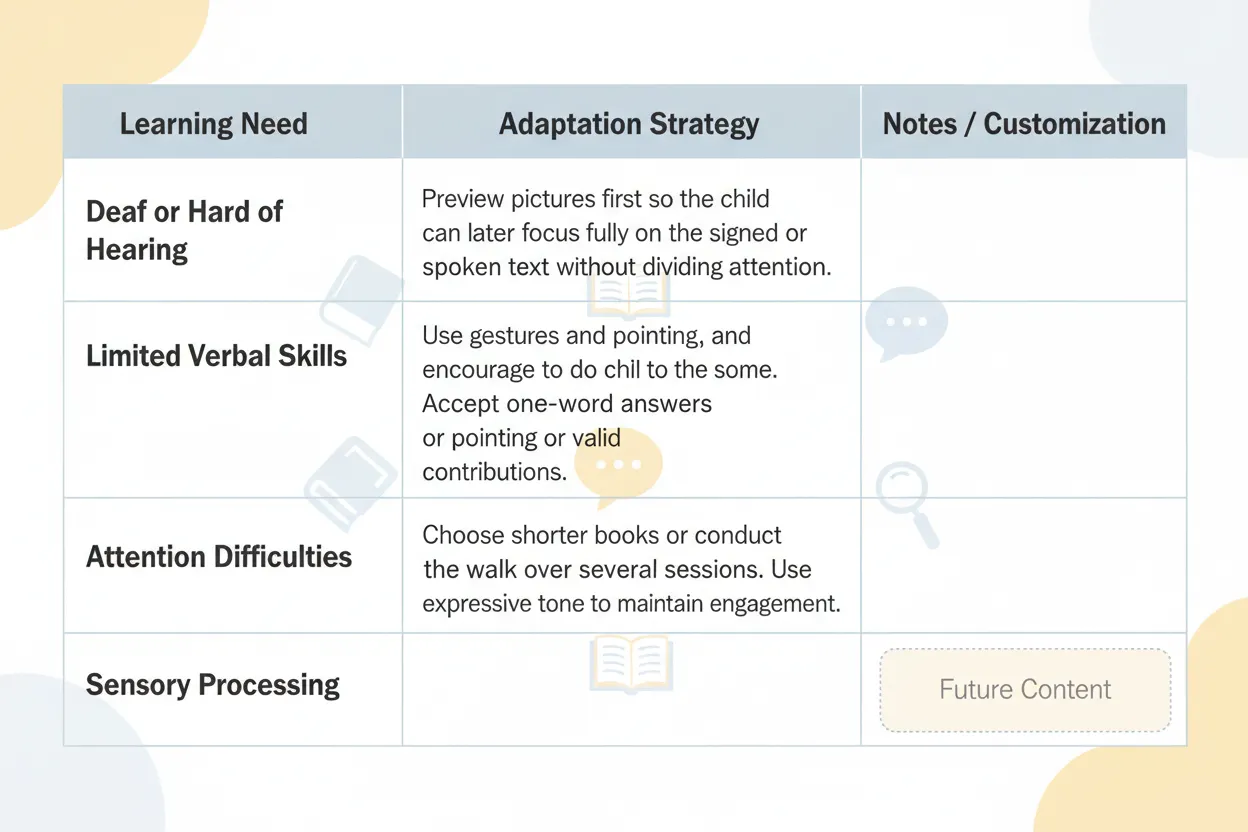
Strategies for Picture Walking With Children Who Have Special Needs
Picture walks are highly beneficial for children with special needs because they are a visual, low-pressure way to engage with a story. For a child who is deaf or hard of hearing, this shared activity is particularly helpful. It allows them to focus solely on the pictures to build comprehension before needing to process signed or spoken language.
The key is to make simple adaptations based on the child's individual needs. This might mean spending more time on each page, using tactile props related to the story, or focusing more on the emotional expressions of the characters. The goal is always to make the story accessible and build confidence.
These adaptations ensure that the picture walk remains a positive and effective tool for building literacy skills.
Modifying Picture Walk Activities for Classroom or Group Reading
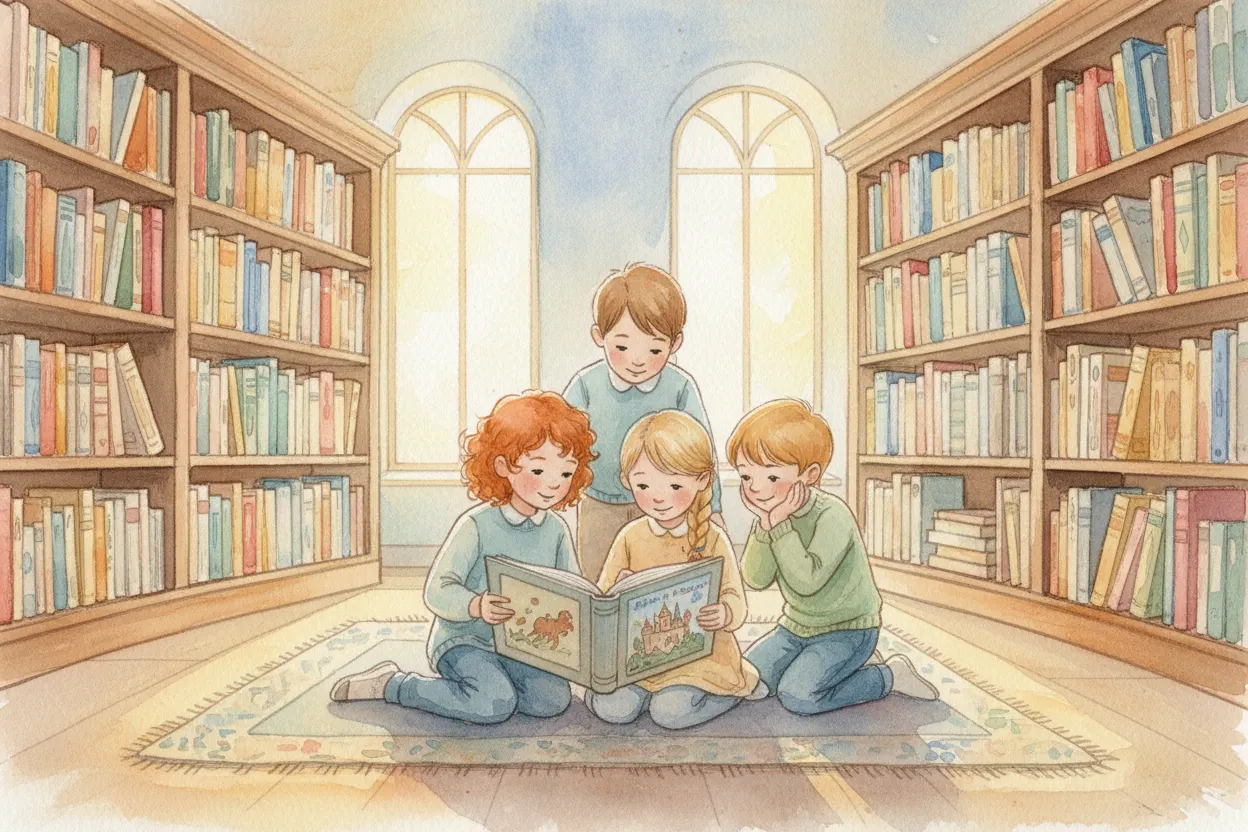
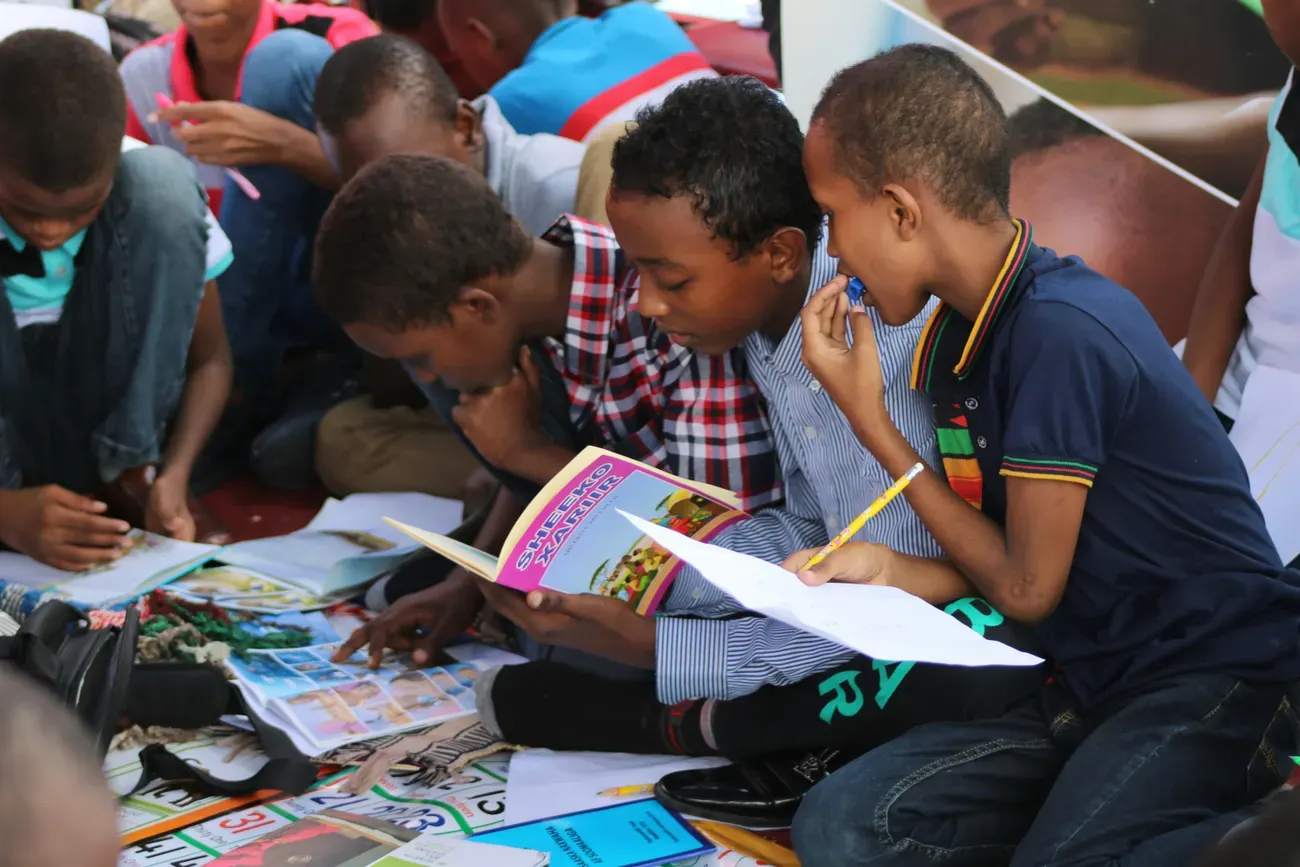
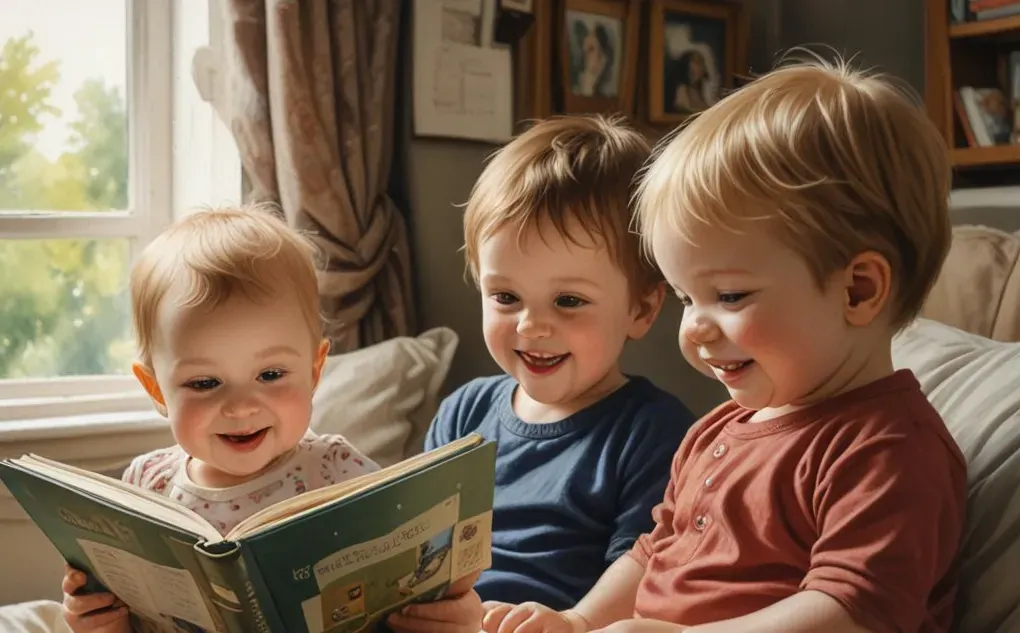
Using picture walks in a classroom or other group setting is an excellent way to prepare all children for a new story. To adapt the activity for a group, ensure that every child can see the illustrations clearly. Using a large "big book" format is ideal for this purpose.
To keep all the early readers engaged, you can turn the picture walk into a collaborative discussion. Ask children to take turns describing what they see on a page or making predictions. This encourages active listening and participation from everyone in the group.
Here are some modifications for a group picture walk:
- Use a document camera to project the book's pages onto a large screen.
- Have children work in pairs to discuss the pictures before sharing with the larger group.
- Assign each small group a different page to "read" and then present their ideas.
- Encourage children to act out what they think is happening in a picture.
Incorporating Picture Walks Into Your Child’s Reading Routine
To get the most out of this strategy, it's helpful to make it a regular part of your child's reading routine. Consistency helps reinforce the skills of prediction and observation, making your child a more confident and insightful reader over time. A picture walk can become a cherished ritual before diving into a new storybook.
Making this a habit doesn't mean it has to be rigid. The goal is to integrate it naturally into your reading time to enhance early literacy. Let's consider how often you should use this technique and how it can work with other activities.
How Often Should You Use Picture Book Walks?
There's no strict rule for the frequency of picture walks, but a great rule of thumb is to use them whenever you introduce an unfamiliar story. This strategy is most effective with new picture books, as it provides early readers with a scaffold to understand a story they've never encountered before.
For favourite books that you've read many times, a picture walk isn't as necessary, as the child is already familiar with the story. However, you can still revisit the pictures to discuss new details you might not have noticed before.
The most important thing is to keep the reading routine enjoyable. If your child is excited to jump right into a new story, you might do a very brief picture walk. The goal is to support their comprehension and love for reading, not to follow a rigid script every time.
Integrating Picture Walking With Other Early Literacy Activities
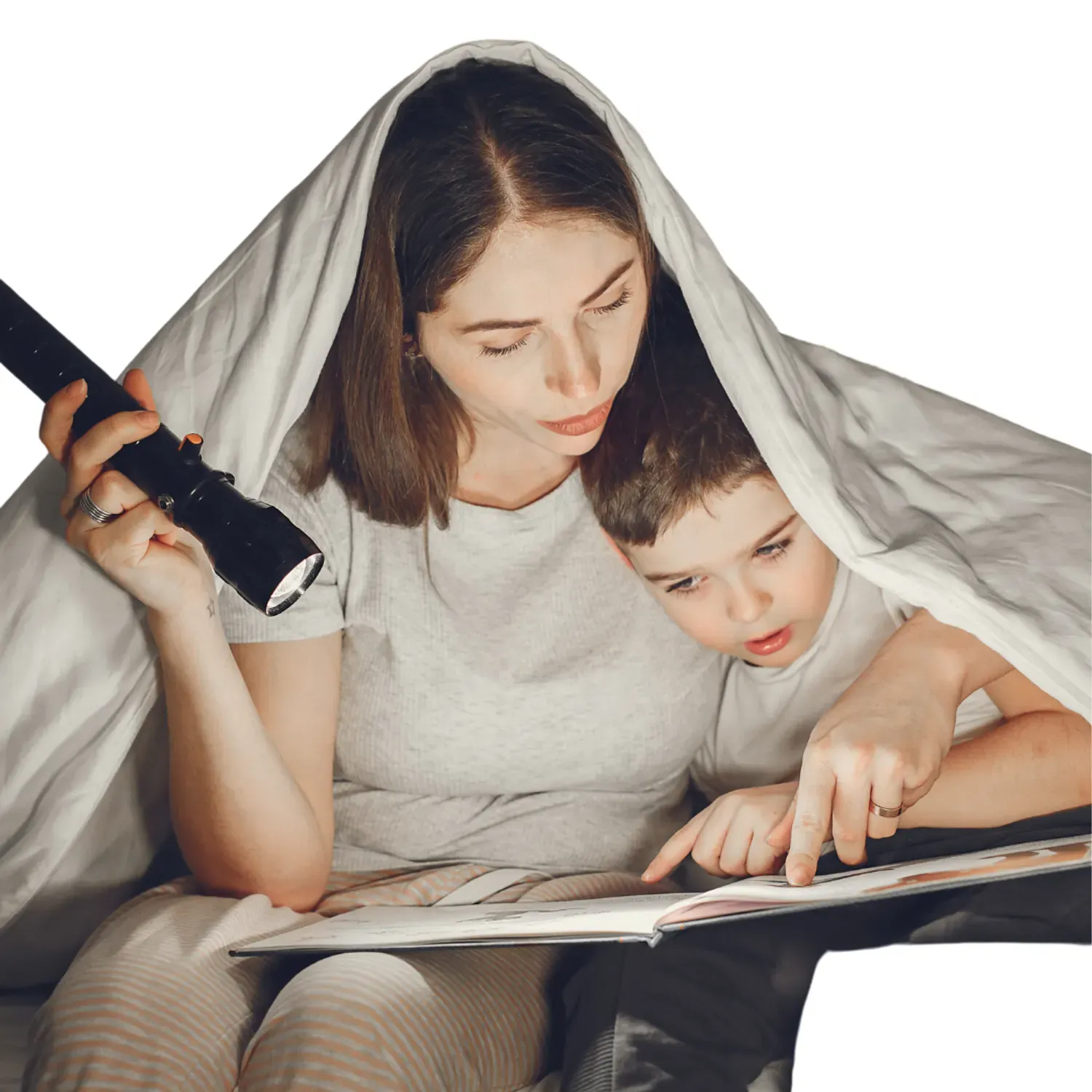
A picture walk is a powerful standalone activity, but it becomes even more effective when integrated with other early literacy practices. Think of it as the first step in a multi-layered reading experience. After your picture walk, you can proceed with a traditional read-aloud.
Following the read-aloud, you can further boost comprehension by asking your child to retell the story in their own words. They can use the pictures as prompts to help them remember the sequence of events. This combination reinforces the narrative structure and solidifies their understanding.
You can also connect the picture walk to other fun activities like rhyming games or wordplay related to the new vocabulary you discovered. By layering these strategies, you create a rich and comprehensive approach to literacy that strengthens a wide range of reading skills.
Related Articles :
Personalized Books for Children Canada: Unique Gift Ideas
Explore Unique Story Books: A Guide for Young Readers
Nighttime Story Sessions for Families: Bonding Through Tales
Build a Personalized Summer Reading List for Kids Today!
Fun Reading Outdoor Activities for Active Young Readers
Conclusion
In conclusion, picture walks are a powerful strategy for fostering early reading skills among young learners. By guiding children through illustrations and prompting them to predict storylines, you not only enhance their comprehension but also build critical thinking abilities. It's essential to create an engaging reading environment and ask effective questions that stimulate curiosity and exploration. Whether adapting picture walks for diverse learning needs or integrating them into routine literacy activities, the benefits are undeniable. Embrace the joy of storytelling and watch your child's love for reading flourish! For further guidance on optimising your child's reading skills, don't hesitate to reach out for a free consultation.
Frequently Asked Questions
Are picture walks suitable for non-fiction books as well as storybooks?
Yes, absolutely. A picture walk is an excellent tool for non-fiction books. It allows you and your child to preview diagrams, photos, and charts, helping to introduce complex topics and new vocabulary in a visual context. This makes the factual information in the book much more accessible and easier to understand.
How do picture walks support early literacy development?
A picture walk supports early literacy by building crucial pre-reading skills. It enhances comprehension by familiarising children with the story, develops prediction skills, expands vocabulary by introducing new words visually, and improves oral language. It makes the entire reading routine more successful and builds your child's confidence as a reader.
Can picture walk activities be effective for bilingual or ESL children?
Yes, picture walks are particularly effective for bilingual or ESL children. The strong visual component helps them understand the story's context and learn new vocabulary without relying solely on language they are still learning. It provides a bridge to comprehension and boosts their overall literacy development in a supportive way.
What types of questions should I ask during a picture walk to help my child predict the story?
During a picture walk, ask open-ended questions to encourage prediction. Try questions like, "What do you think will happen next?" or "How do you think this character is feeling?". These questions promote critical thinking and improve comprehension skills, making storytime a more interactive and analy
Reference :
https://www.naeyc.org/resources/topics/literacy
https://phonicsinmotion.com/early-reading-strategies/.
https://www.hmhco.com/blog/early-reading-intervention-strategies
https://www.prodigygame.com/main-en/blog/reading-strategies
https://www.edutopia.org/article/early-literacy-strategies-work/

Written with Augmented Intelligence and SHiNER The Human