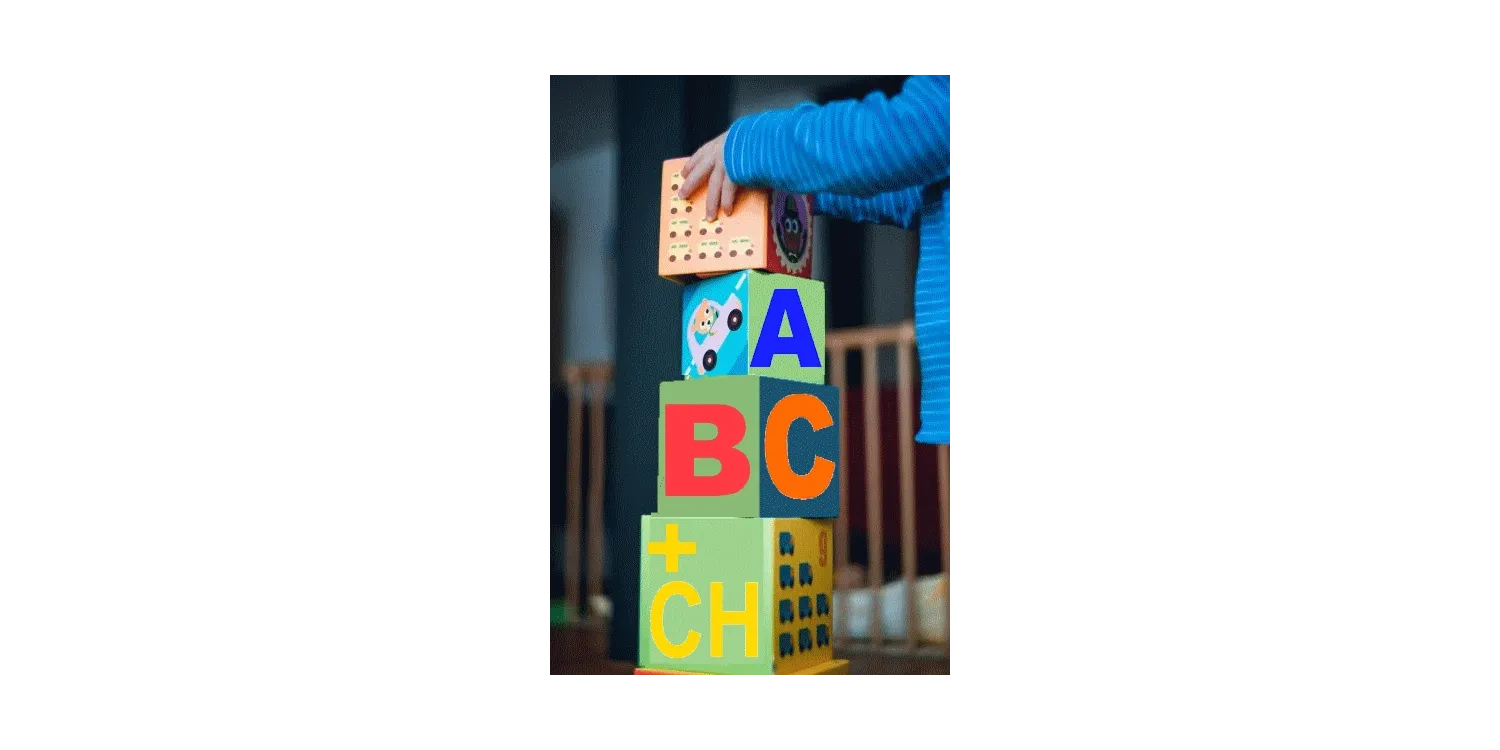
Family Reading: Discover the Benefits for Your Family
Family Reading: Discover the Benefits for Your Family
Jan 01, 2026
The Benefits of Family Reading: A Guide for Parents

Key Highlights
- Family reading is a great way to nurture a lifelong love of reading in your children from an early age.
- Setting aside regular reading time helps improve children’s literacy, vocabulary, and early reading skills.
- Reading together strengthens family bonds and supports social-emotional learning and cognitive development in children.
- Creating a fun reading routine with favourite books and interactive activities makes it an enjoyable experience.
- You can easily start with simple activities like reading aloud, visiting the library, and creating a cosy reading nook.
- Choosing age-appropriate children's books is key to keeping young readers engaged and confident.
Watch it on YouTube
Introduction
Fostering a love of reading in young readers is one of the most valuable gifts you can give. Establishing a daily reading routine does more than just prepare your child for school; it expands their vocabulary, sparks their imagination, and strengthens the bond you share. This guide will walk you through the benefits of reading as a family and provide practical, creative ideas to make it a cherished part of your day, contributing to positive early childhood development.
Understanding Family Reading and Its Impact

Family reading is simply the act of sharing books and stories together. It’s about more than just teaching a child to read; it’s a shared experience that builds connection and nurtures early reading skills. This practice can be adapted to any family’s schedule and any child’s reading level.
The impact of this simple activity is profound, laying a strong foundation for literacy and academic success. It helps children associate books with positive feelings of warmth and closeness. Below, we’ll explore what family reading involves and why it is so important for Canadian parents and their children.
What Is Family Reading?
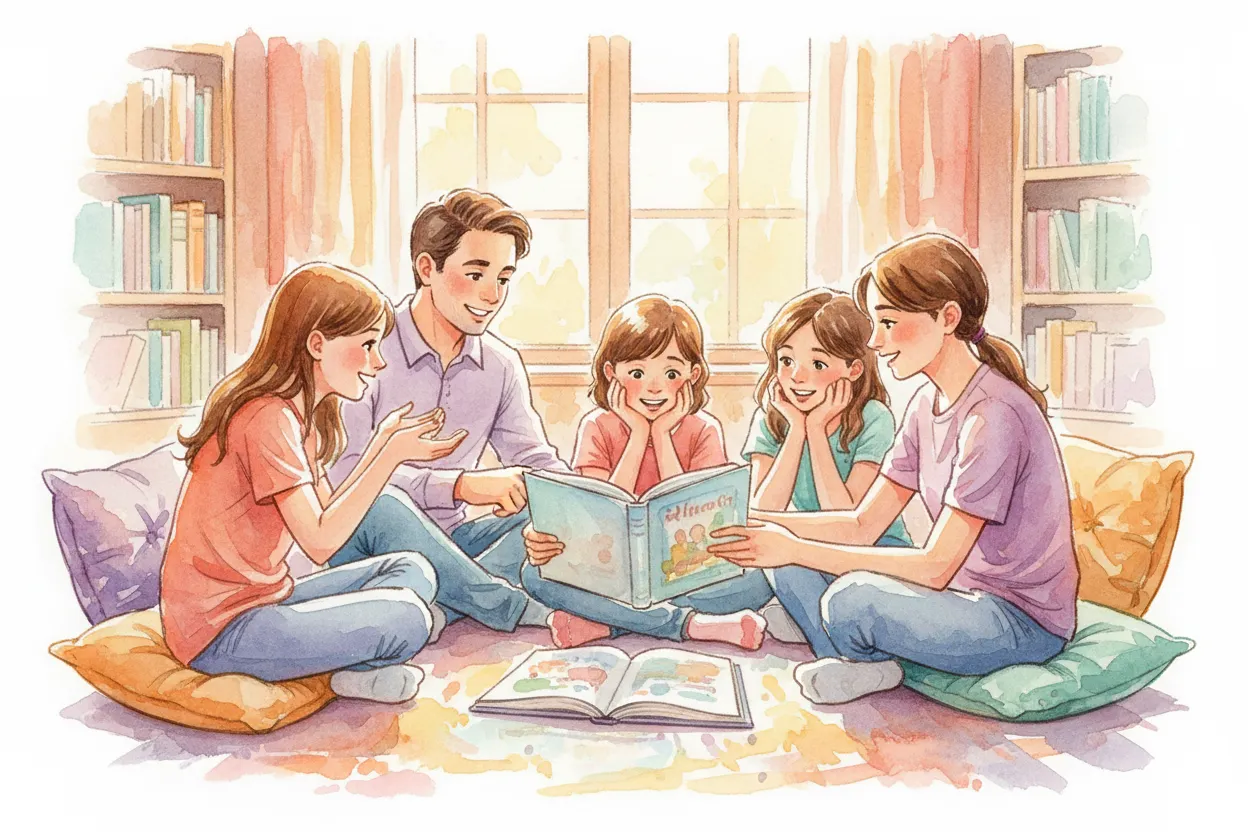
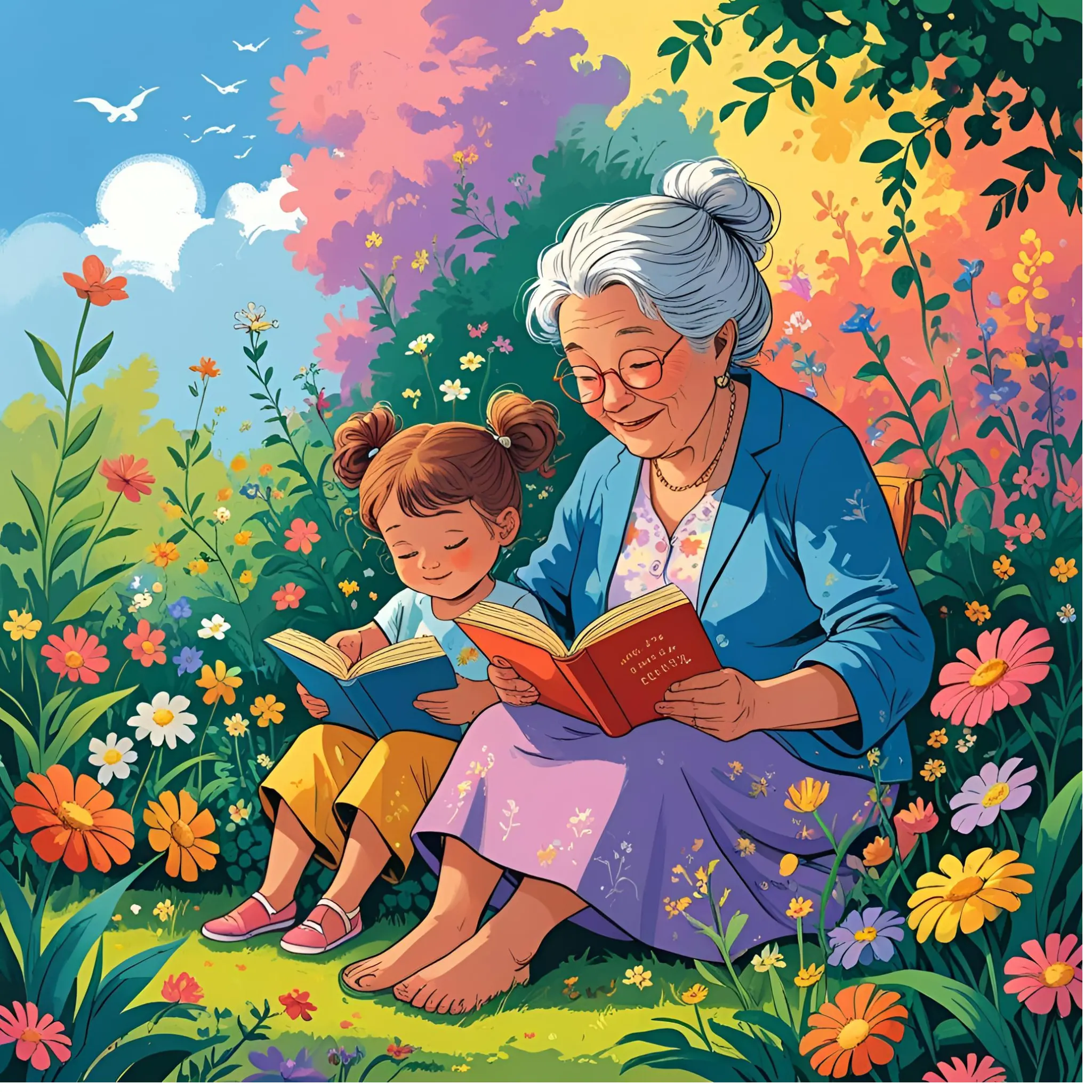
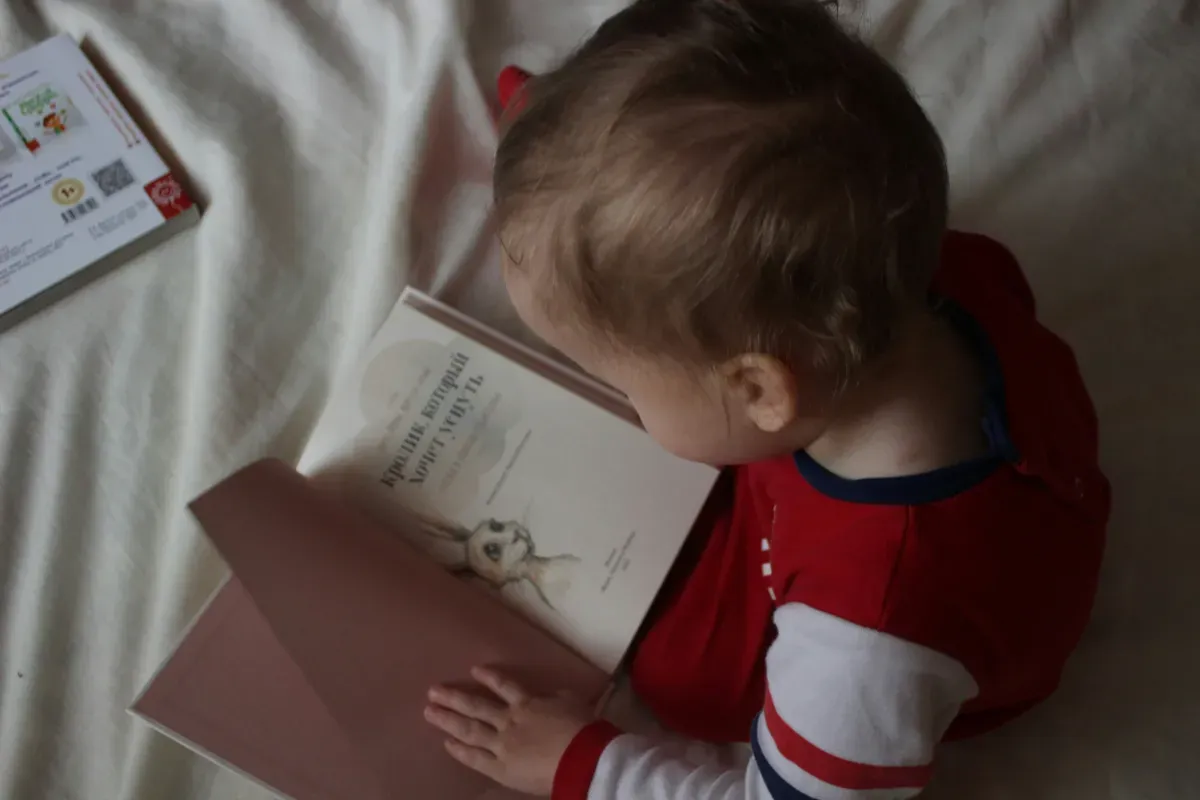
At its heart, family reading is the shared activity of enjoying books together. This can mean a parent reading aloud to a child, taking turns reading pages, or even just sitting together quietly while everyone reads their own books. The goal is to make reading a normal and enjoyable part of family life, rather than a chore. It is a powerful tool for family bonding activities.
Creating a consistent reading time helps establish a predictable and comforting reading routine. This could be a few minutes before bed or a quiet period in the afternoon. Letting your child see you enjoy reading demonstrates its value and encourages them to pick up their own books.
The practice isn't about pressure or performance. It's about exploration and connection. Whether you're exploring colourful picture books with a toddler or discussing a chapter book with an older child, you are building memories and skills that last a lifetime. This shared experience is fundamental to play-based learning.
Why Family Reading Matters for Kids in Canada
For Canadian parents, prioritising family reading is a key step in supporting their children's long-term success. Strong literacy is a cornerstone of education, and reading together from an early age gives young readers a significant head start. It directly boosts language development in toddlers and preschoolers.
This practice provides essential child help by improving comprehension and vocabulary, regardless of a child's initial reading level. When children are read to, they encounter words and sentence structures they might not hear in everyday conversation. This exposure is critical for their cognitive development and prepares them for school.
While specific research in Canada highlights the link between home literacy and academic achievement, the benefits are universally acknowledged. Reading together builds confidence, enhances focus, and fosters a curiosity that drives a lifelong love of learning, ensuring children are prepared for their developmental milestones.
The Key Benefits of Family Reading Together
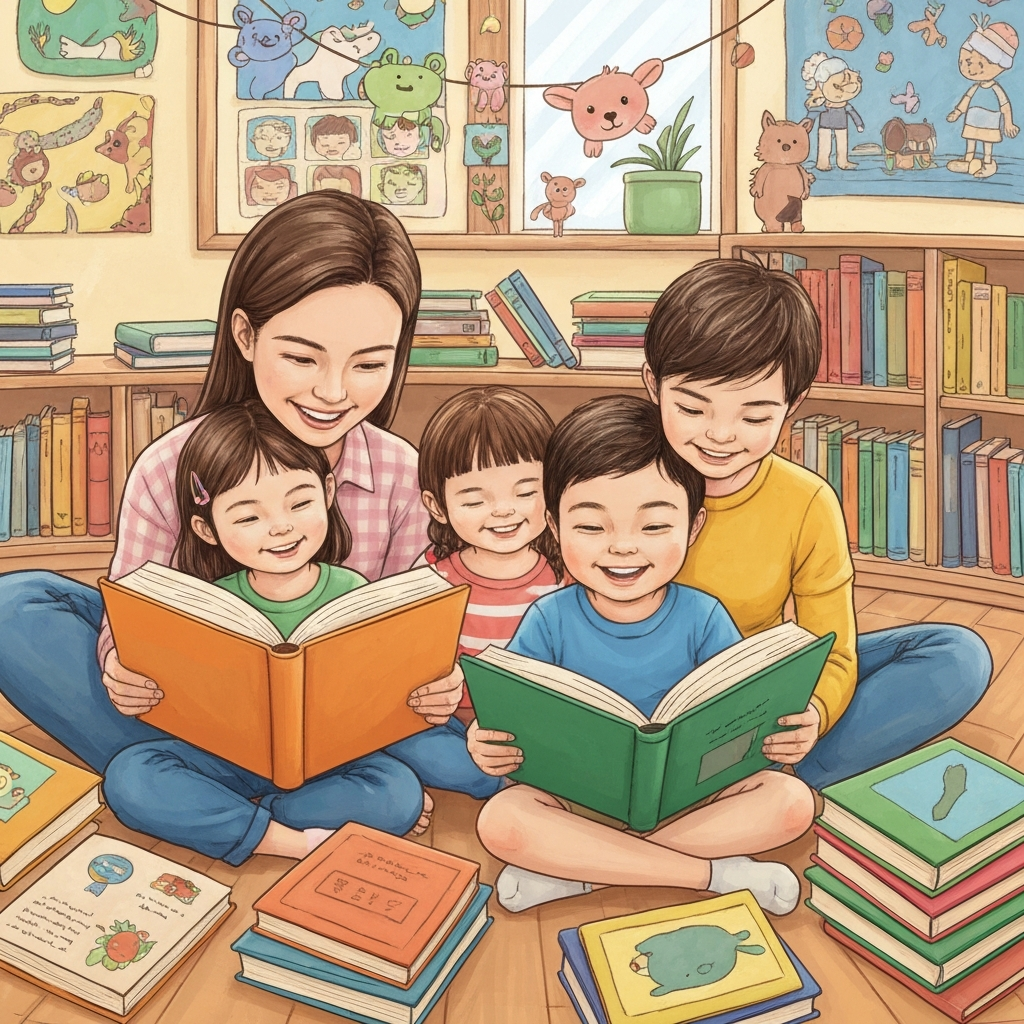
The advantages of family reading extend far beyond academic achievement. Cuddling up with a book offers significant emotional and social advantages, creating a unique space for connection and conversation. It’s a simple way to strengthen your relationship with your child while building their love of reading.
From a practical standpoint, this shared activity is one of the most effective ways to boost a child's vocabulary and understanding of story structure. The following sections will explore the specific emotional, social, and academic benefits that a regular reading habit can bring to your family.
Emotional and Social Advantages for Children
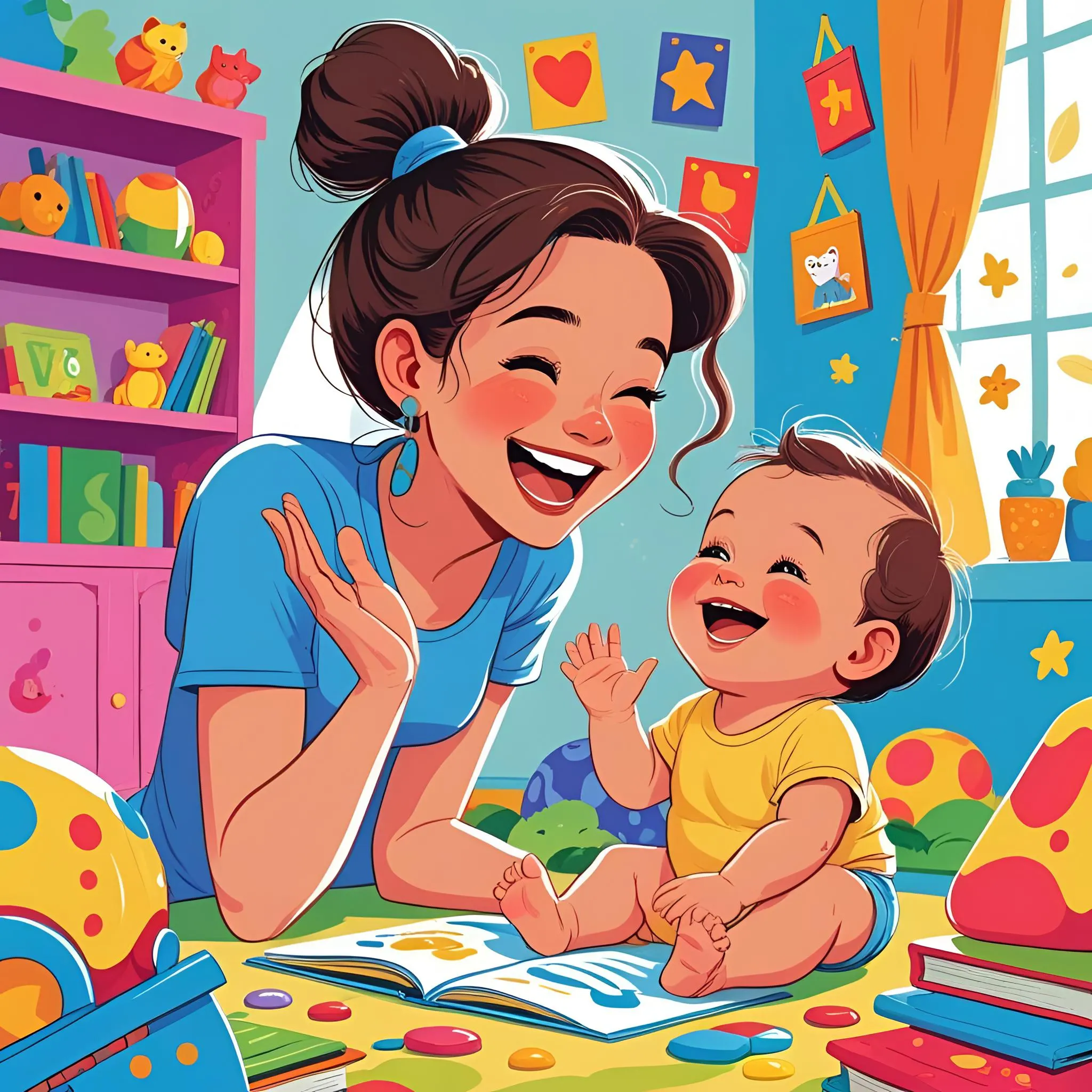
Regular reading time provides a wonderful opportunity for bonding. The physical closeness and shared focus create a sense of security and intimacy, strengthening the emotional connection between you and your child. This quiet time together can become a safe space for your child to share their thoughts and feelings.
This shared activity also promotes social-emotional learning. As you read stories, children learn to understand different perspectives, develop empathy for characters, and navigate complex social situations. Discussing a character's feelings or choices helps your child build their own emotional intelligence and problem-solving skills.
When children feel connected and understood during reading time, they associate books with warmth and happiness. This positive association is crucial for motivating them to read independently as they grow. The consistent routine fosters a sense of stability and makes reading a comforting, cherished activity.
Boosting Literacy Skills and Academic Success
One of the most direct benefits of reading together is the enhancement of literacy skills. When you read aloud, you model fluent reading, helping your child understand rhythm, intonation, and pacing. This exposure is vital for their own reading development and helps them move beyond simply decoding words.
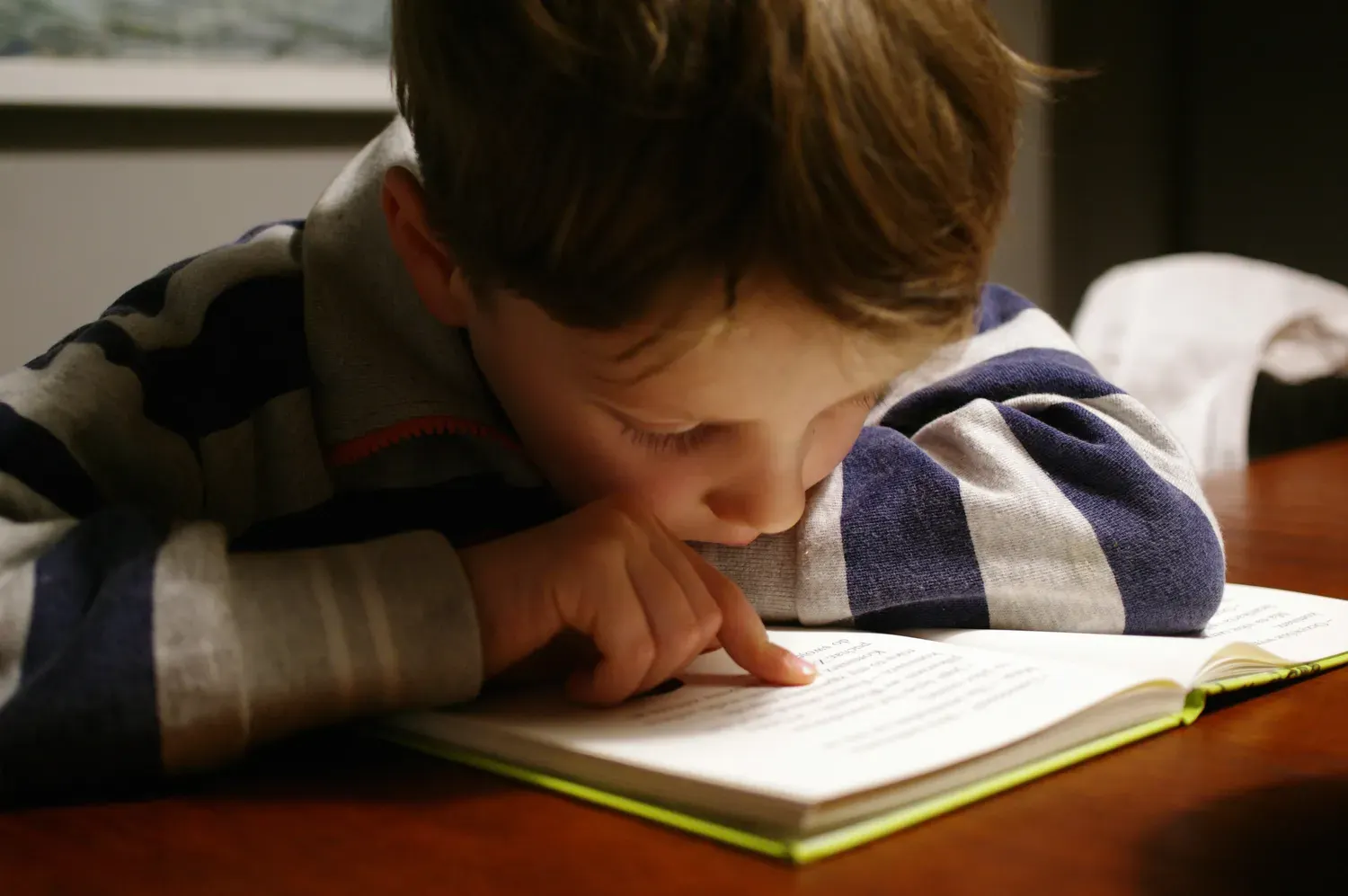
Family reading is also a vocabulary powerhouse. Children are introduced to new words in a meaningful context, which helps them understand and retain their definitions. Pointing to sight words as you read them reinforces word recognition, while discussing the story improves comprehension and executive function skills.
Ultimately, these skills translate directly to academic success. A child who enters school with a strong vocabulary and a positive attitude towards books is better equipped for learning across all subjects. By adjusting the difficulty to your child's reading level, you ensure they are challenged but not discouraged, setting them on a path to becoming a confident, lifelong learner.
A Beginner’s Guide to Starting Family Reading at Home
Starting a family reading habit doesn't have to be complicated. In fact, some of the easiest ways are the most effective. The key is to make it a fun way to spend time together, not another task on your to-do list.
This guide will provide you with the essential resources, materials, and steps to build a sustainable reading routine. From choosing the right books to creating an inviting space, you’ll find everything you need to make family reading a successful and cherished part of your household.
Essential Resources and Materials You’ll Need
You don’t need much to start a family reading routine, and you likely already have most of what’s required. The most important resource is a collection of engaging children's books. Start with a mix of stories you loved as a child and new titles that catch your eye at the local library.
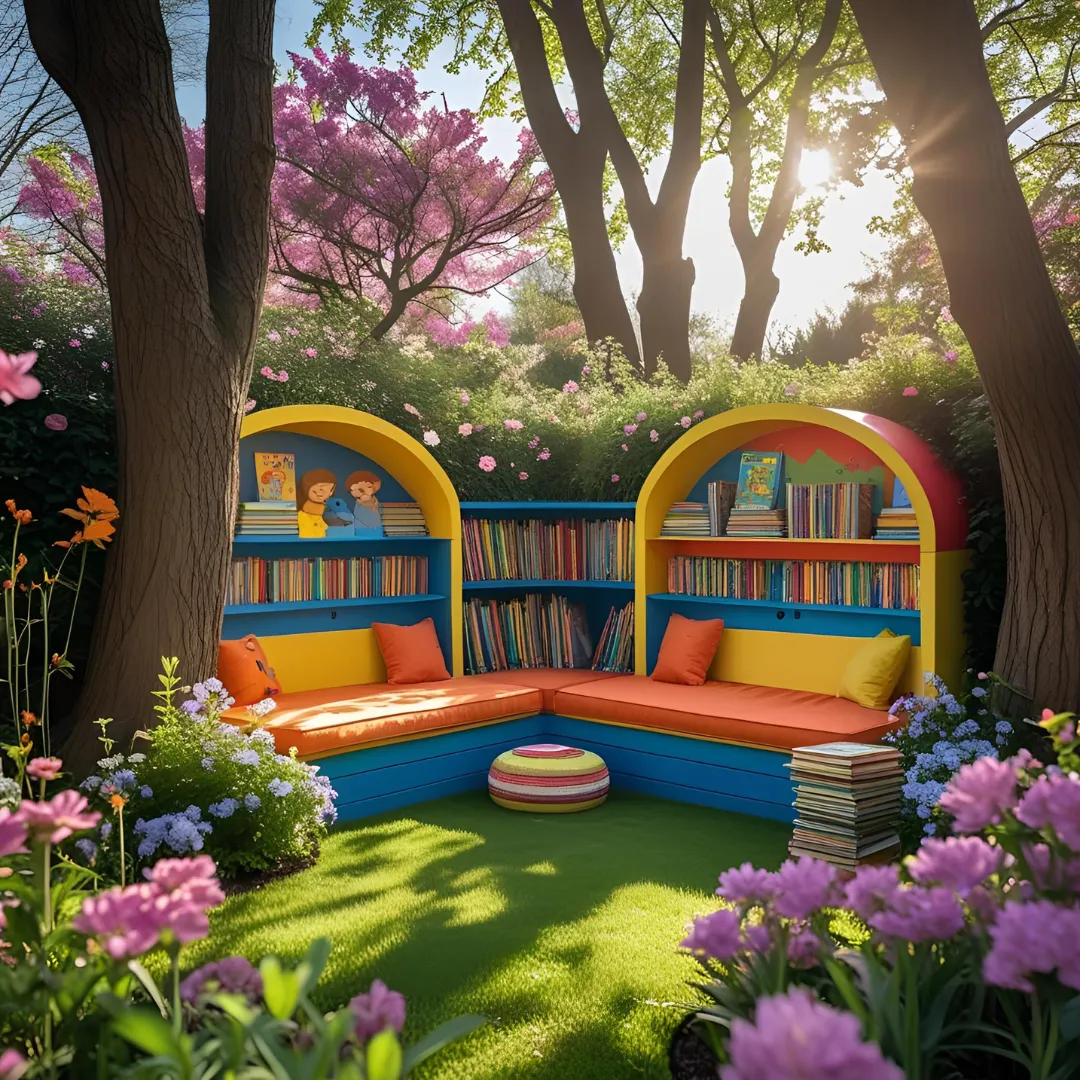
To make the experience special, consider creating a dedicated reading space. This doesn't need to be elaborate; a cosy corner of a room will do. Having a designated spot helps signal that it’s time to settle down and enjoy a story together. Let your child help decorate it to give them a sense of ownership over their own books and space.
Here are a few simple materials you can use:
- A soft mat, rug, or comfortable pillows
- A small bookshelf or basket to hold books
- Good lighting, perhaps with whimsical fairy lights for atmosphere
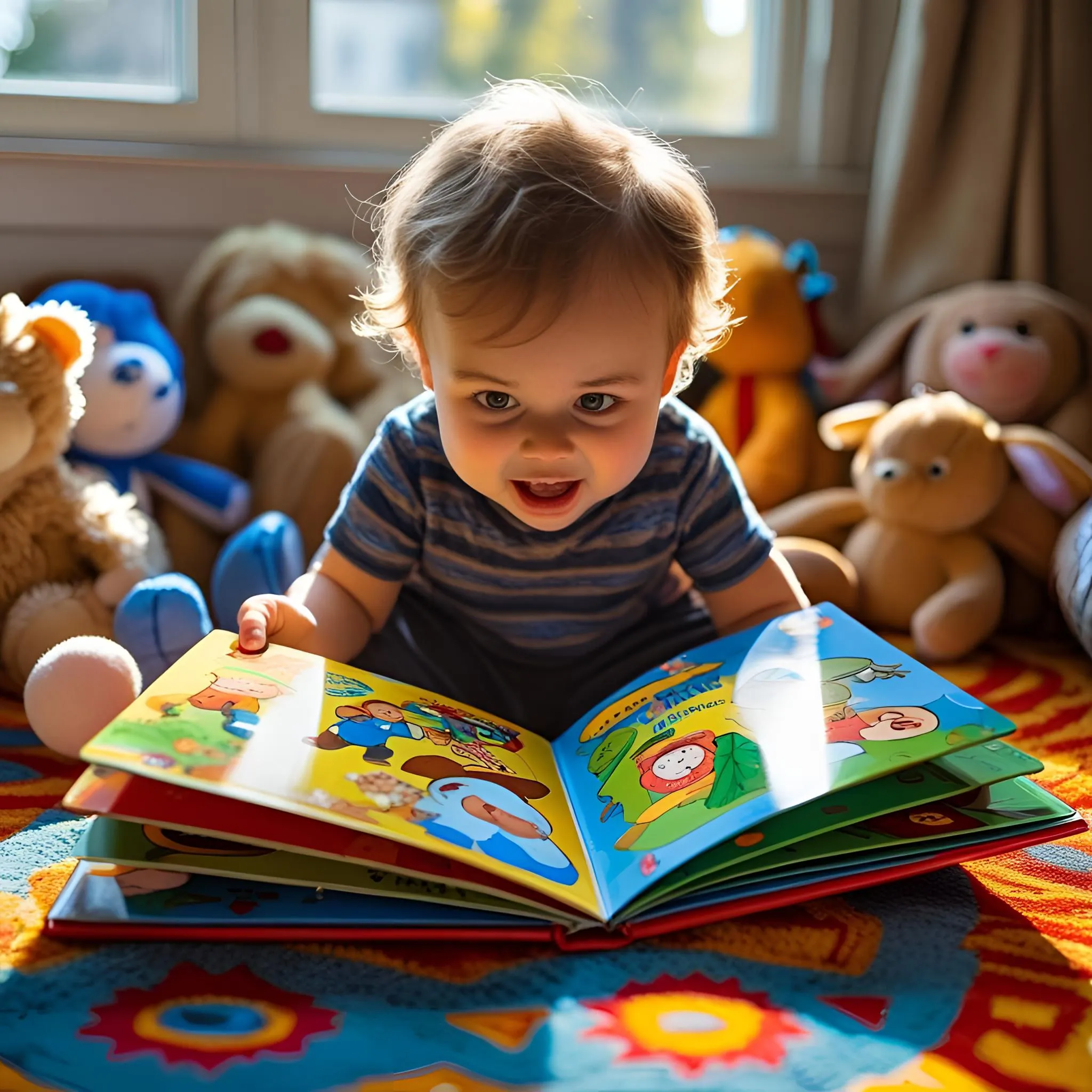
- Sturdy cardboard books for babies and toddlers
- Art supplies for related activities
Step-by-Step Guide to Building a Family Reading Routine
Creating a lasting reading routine is all about consistency and fun. The goal is to integrate reading into your daily schedule so it becomes a natural and anticipated part of the day. A structured approach can help make this transition smooth for the whole family.
Start by outlining a simple plan. Think about when reading would fit best into your day—perhaps before bed, after school, or during a quiet weekend morning. Involving your children in this planning can help them feel more invested in the new routine. You can even create a visual schedule with simple pictures.
Here are the basic steps to get started:
- Step 1: Choose age-appropriate books.
- Step 2: Create a welcoming reading space.
- Step 3: Schedule regular reading activities.
- Step 4: Engage kids with interactive storytelling.
- Step 5: Be a reading role model yourself.
Step 1: Choose Age-Appropriate Family Reading Books
Selecting the right books is crucial for keeping your child engaged. When a book matches their reading level and interests, they are far more likely to enjoy the experience. For very young children, look for children's books with bright illustrations, simple text, and durable pages.
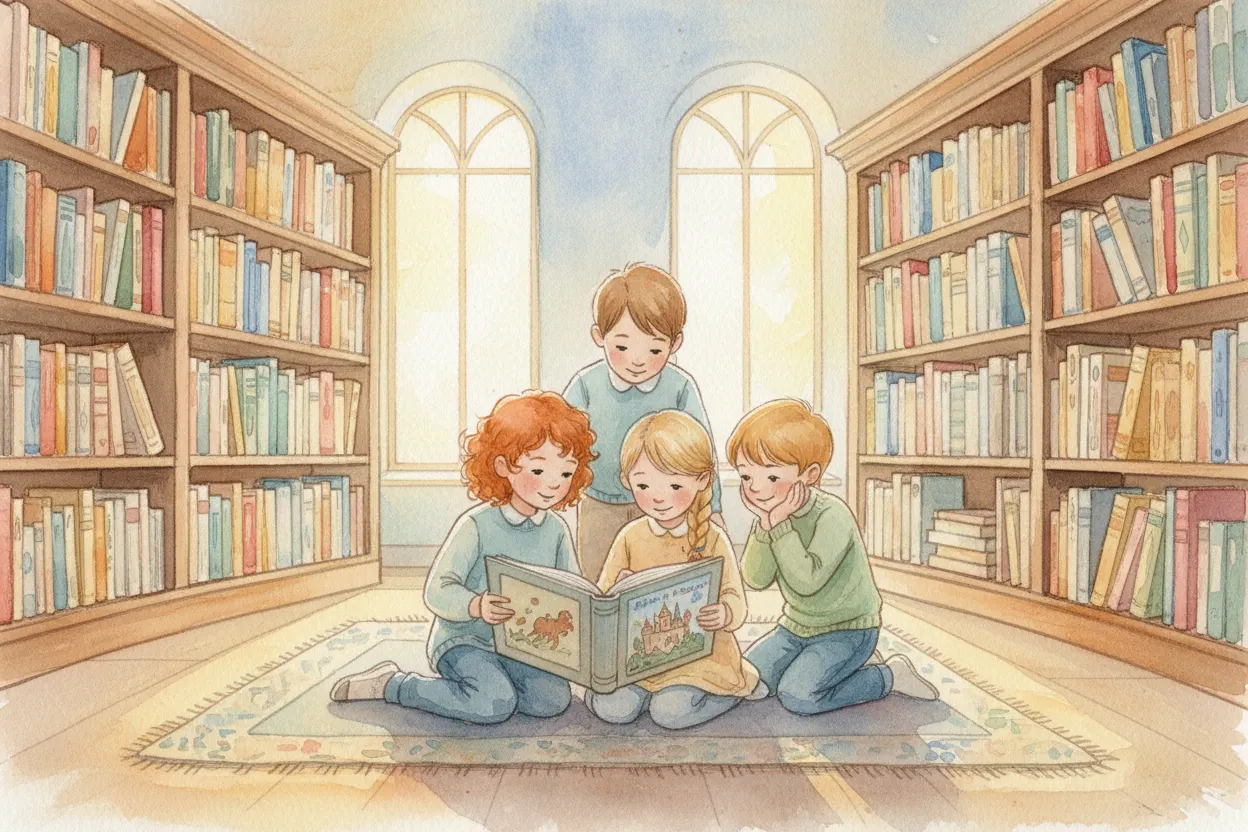
As your child grows, their tastes will evolve. Pay attention to the topics that excite them, whether it's dinosaurs, space, or fantasy. Visiting the library together is a great way to empower them to choose books for themselves. Remember that your child's listening level is often higher than their reading level, so don't be afraid to read them more advanced stories.
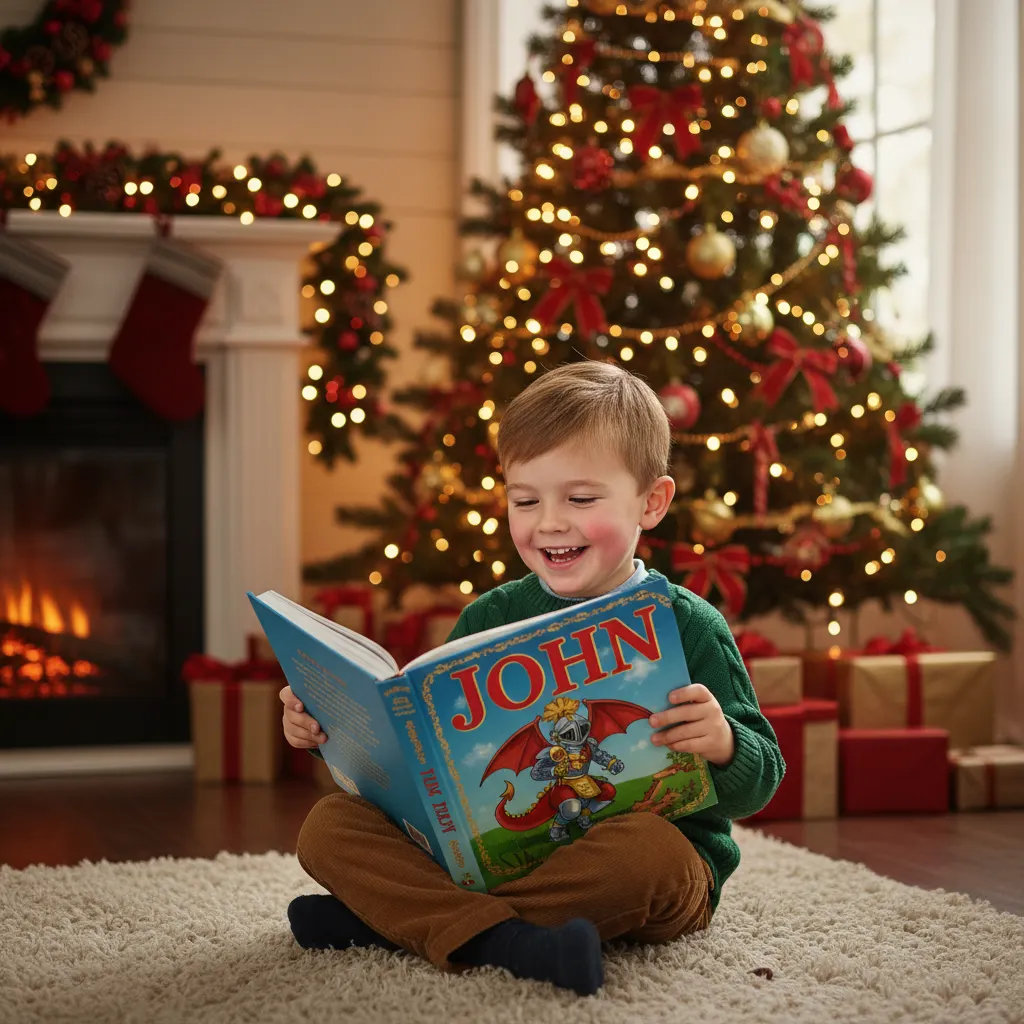
For early readers, books that feature word families and repetition are excellent tools for building confidence. These predictable patterns help them anticipate what comes next and participate in the reading. Custom children's books Canada also offer a unique way to capture their attention by making them the star of the story.
Step 2: Create a Welcoming Family Reading Space
A special reading spot can transform reading from a simple activity into a magical experience. Designate a corner of your home as a reading nook and make it as comfortable as possible. A soft mat, plush cushions, and warm blankets can make it an inviting place to settle in with a good book.
Involve your child in decorating the space. Let them hang up simple pictures they've drawn or choose the colour of the pillows. Adding personal touches like fairy lights can create a whimsical atmosphere that they'll be excited to retreat to. Keep a basket of their own books nearby so they can easily access their favourites.
This dedicated space does more than just encourage reading; it becomes a setting for quiet connection and bonding. By creating a physical space for stories, you are showing your child that reading is a valued and important part of your family's life.
Step 3: Schedule Regular Family Reading Activities
Consistency is key to making family reading a habit. Find a time in your daily schedule that works for your family and stick to it. For many, reading before bedtime is a natural fit, as it helps children wind down and provides a calm end to the day.
However, the "right" time is whatever time works for you. It could be for 15 minutes after breakfast or during a lazy weekend afternoon. The important thing is to protect that reading time and treat it as a special part of your day, not just another chore to get through.
By establishing a predictable reading routine, you create anticipation and excitement. Your child will come to look forward to this dedicated time with you and a good story. This consistency helps build a positive association with books that can last a lifetime and is one of the most effective parenting tips for fostering literacy.
Step 4: Engage Kids with Interactive Family Storytelling
Bringing stories to life is a fantastic way to capture a child's imagination. You don't need to be a professional actor to make reading interactive. Use silly voices for different characters, make sound effects, and use expressive gestures to convey the action in the story. Your enthusiasm is contagious.
Incorporate interactive activities to keep them involved. Pause and ask questions like, "I wonder what will happen next?" or "How do you think the character is feeling?" Encourage them to point out objects in the pictures or help you turn the pages. Repetition is also a powerful tool; invite your child to join in on recurring phrases.
For a truly hands-on experience, try acting out scenes from the book. Let your child be the first player to choose a role. These simple storytelling for kids techniques turn passive listening into active participation, which deeply enhances comprehension and makes reading an unforgettable adventure.
Top Family Reading Activities to Try with Kids
Beyond simply reading a book from start to finish, there are countless creative ideas to make family reading more dynamic. Turning storytime into a playful activity is a fun way to reinforce literacy skills and show children that books are a source of endless entertainment.
Whether you have a toddler or a pre-teen, these activities can be adapted to suit any age group. The following suggestions will give you inspiration for fun read-aloud sessions and other creative ways to make reading an adventure your whole family can enjoy together.
Fun Read-Aloud Sessions and Storytime Ideas
Elevate your read-aloud sessions by turning them into a performance. Using silly voices and exaggerated expressions is a simple way to bring characters to life. This adds a layer of fun that can captivate even the most reluctant reader and is great for sensory play activities.
Don't limit yourself to traditional storybooks either. Explore different formats like comics, poetry, or magazines. Reading nursery rhymes with a rhythmic, sing-song voice is especially engaging for younger children and provides fantastic benefits for language development. The goal of storytime is connection and enjoyment.
Here are a few ideas to get you started:
- Use puppets or stuffed animals to act out the story.
- Create a "story scavenger hunt" with clues related to the book.
- Take turns reading pages or paragraphs with older children.
- Host a themed reading night with costumes and snacks related to the book.
- Incorporate music or sound effects to match the story's mood.
Creative Ways to Make Family Reading Enjoyable for Kindergarten and Young Children
For younger kids, making reading a hands-on experience is a fun way to hold their attention. Activities that involve movement and creativity help them engage with stories on a deeper level. These preschool learning activities reinforce concepts from the book in a playful manner.
One simple idea is to create your own book together. After reading a story, have your child draw simple pictures of the main events and narrate the plot back to you. You can write down their words to create a personalised version of the story they will treasure.
Here are some more creative ideas for this age group:
- Play a matching game with words and objects from around the house.
- Use magnetic letters to spell out simple words from a story.
- Act out nursery rhymes with gestures and movement.
- Create a book-themed mobile with characters and symbols from a favourite story.
- Label items around the house to connect written words with real-world objects.
Recommended Family Reading Books for Different Ages
Choosing the right book is half the battle when it comes to engaging a child in reading. With so many children's books available, it can be helpful to have some recommended books that are tried and true favourites for family read-alouds.
The key is to match the book to your child's age group and reading level. Below, you’ll find suggestions for kindergarteners and older kids, ensuring you can find the perfect story to share and add to your collection of favourite books.
Best Family Storybooks for Kindergarten
For kindergarten-aged children, the best books are often those with engaging rhymes, predictable repetition, and bright, simple pictures. These elements help build early reading skills by making the text accessible and fun. Recommended books at this stage should spark curiosity and encourage participation.
When selecting children's books for this age group, look for stories that are short enough to hold their attention but rich enough to prompt conversation. Books that touch on familiar themes like animals, friendship, and family are always a great choice, as they are easily relatable.
Here are a few excellent choices that are perfect for a developing reading level and help with prenatal bonding if read to a baby bump.
Book Title
Why It's Great for Kindergarteners
Brown Bear, Brown Bear, What Do You See?
The repetitive question-and-answer format encourages participation and helps with word recognition.
Pat the Bunny
This classic touch-and-feel book provides a wonderful sensory experience, perfect for early learners.
The Little Engine That Could
Its inspiring message and repeating phrase, "I think I can," builds confidence and is easy to memorise.
Favourite Family Reading Books for Kids Aged 5 to 12
As children get older, their reading tastes become more sophisticated. This is a great time to introduce them to chapter books, engaging series, and even graphic novels or comics. The favourite books for this age group often feature relatable characters, exciting plots, and a bit of humour.
For older kids, reading together can evolve into a book club-style discussion. You can take turns reading chapters aloud and then talk about the story's twists and turns. This is a wonderful way to continue the bonding experience of reading while tackling more complex narratives that match their growing reading level.
These recommended books are perfect for capturing the imagination of school-aged children.
Book Title
Why It's Great for Kids Aged 5 to 12
Alexander and the Terrible, Horrible, No Good, Very Bad Day
Kids relate to the main character's frustrations, and it opens up conversations about emotions.
Horton Hatches the Egg
Dr. Seuss's clever rhymes and heartfelt message about faithfulness are engaging for a wide age range.
Where the Wild Things Are
This classic story explores big emotions like anger and forgiveness in a way that resonates with children.
Related Articles :
Understanding the Role of Play in Child Development Today
Create Magic: Personalized Storybooks for Your Child
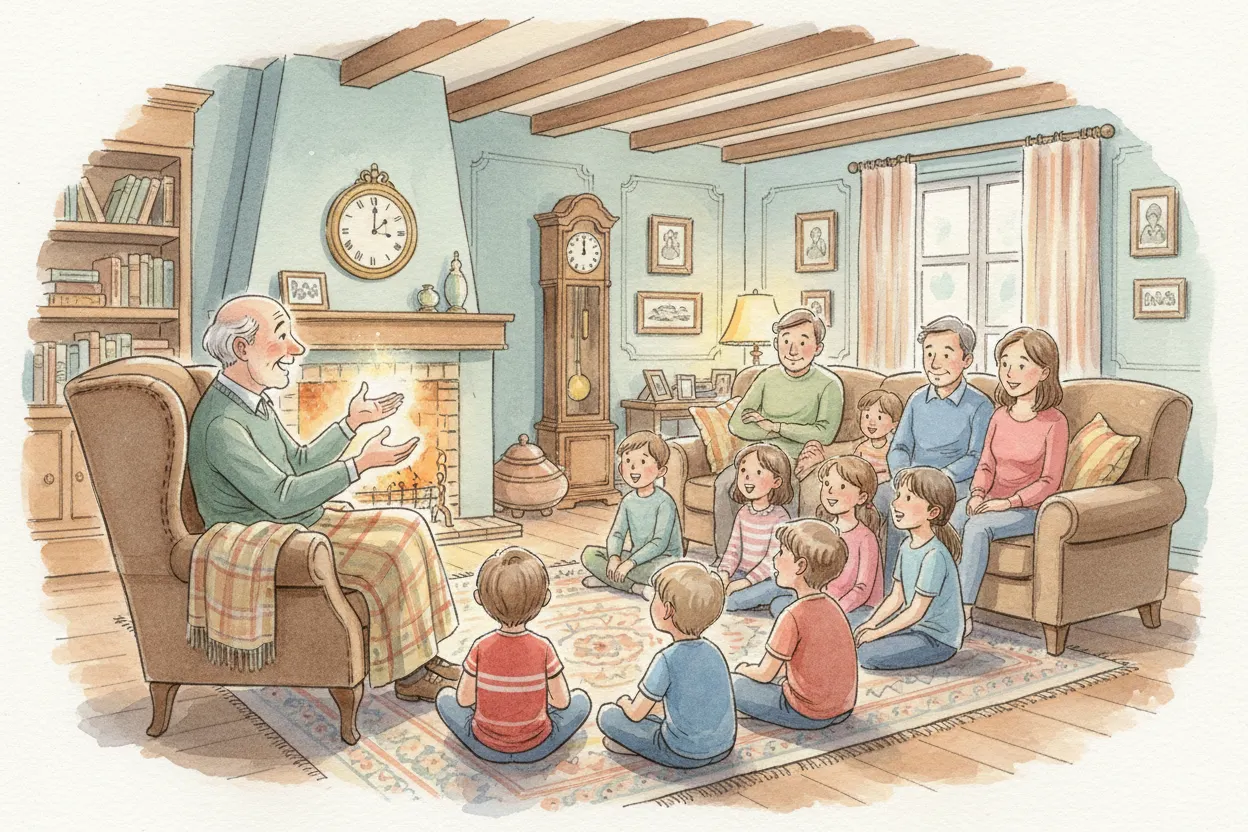
Intergenerational Learning: Stories That Bring Us Together
Celebrate Make a Book Day: Create Your Own Story Today
Boost Literacy: Creative Reading Activities for Kids
Conclusion
In conclusion, family reading offers an invaluable opportunity to foster emotional connections and enhance literacy skills among children. By creating a dedicated space for reading, selecting age-appropriate books, and scheduling regular reading times, families can transform the act of reading into an enjoyable bonding experience. Engaging in interactive storytelling and exploring various activities further enhances children's love for literature, while also contributing positively to their overall development. As parents, prioritising family reading time not only nurtures a lifelong love for books but also strengthens relationships within the family. Embrace the joy of reading together and watch as it enriches your family's life in countless ways.
Frequently Asked Questions
How can I encourage my family to read together more often?
Make family reading a fun and consistent part of your schedule. Create a cosy reading nook, let children choose the books, and turn reading time into a special ritual. When you show enthusiasm for reading, you’ll foster a love of reading that makes everyone want to participate in the reading routine.
Which books are ideal for family read-aloud sessions?
The ideal book depends on your child's age group and interests. For younger children, pick children's books with rhymes and pictures. For older kids, choose engaging chapter books. Letting them pick their favourite books from the library is a great way to find a great book everyone will enjoy.
Why is reading as a family important for children’s development?
Family reading is crucial for boosting early reading skills and overall literacy. It expands a child’s vocabulary, improves word recognition, and strengthens comprehension. This shared activity also supports social-emotional learning and builds a strong foundation for future academic success. It contributes positively to cognitive development in children.
Are there studies on the benefits of family reading habits in Canada?
Yes, various Canadian studies confirm that strong family reading habits are linked to higher literacy rates and greater academic success. The benefits of improving a child's reading level and preparing them for school are well-documented and highly relevant for Canadian parents looking to support their child's education.
Reference :
Written with Augmented Intelligence and SHiNER The Human