Family Activities for International Mother Language Day
Family Activities for International Mother Language Day
Feb 20, 2026
Ways Families Can Celebrate International Mother Language Day

Key Highlights
- International Mother Language Day, celebrated on February 21st, promotes linguistic and cultural diversity worldwide.
- The day encourages the preservation of mother languages, with a focus on multilingual education from an early age.
- Celebrating this day helps children connect with their cultural heritage and fosters respect for others.
- Families can engage in language learning through fun activities like reading, singing, and cooking together.
- Honouring this occasion reinforces that multilingualism is a valuable asset for creating inclusive, sustainable societies.
Introduction
Your mother tongue is more than just a way to communicate; it is a deep connection to your family, heritage, and identity. Celebrating International Mother Language Day is a wonderful opportunity for families to explore this connection.
This global observance shines a light on the importance of cultural diversity and the need for the protection of all languages spoken around the world. It provides a perfect moment to teach your children about the value of their own language and the beautiful variety of languages spoken by others.
Understanding International Mother Language Day
Every year on February 21st, people across the globe observe International Mother Language Day. This day was established to promote linguistic diversity and multilingualism. The United Nations supports this observance as a way to safeguard the intangible cultural heritage that languages represent.
The core idea is to foster tolerance and respect for others by preserving the differences in cultures and languages that make our world so rich. It is a day to recognise that every language is a unique mode of thinking and expression, holding valuable knowledge and traditions. The following sections explore its history and importance.
The Origins and Significance for Families and Children
The story of International Mother Language Day begins with a passionate struggle. The idea was an initiative of Bangladesh, commemorating a pivotal moment in its history. On February 21st, 1952, people in what was then East Pakistan (now Bangladesh) protested for the recognition of their Bengali language as an official state language. Tragically, lives were lost in this fight for linguistic rights, making it a powerful symbol of love for one's mother tongue.
This historic event inspired the proposal for a global day of recognition. At the 1999 UNESCO General Conference, the resolution was passed, and this significant cultural organization proclaimed February 21st as International Mother Language Day. The first observance was held in the year 2000.
For children, this day is important because it teaches them that their first language is precious and part of their identity. It helps them understand the courage it sometimes takes to protect one's culture and encourages them to take pride in their own linguistic roots while respecting those of their friends and neighbours.
Importance of Multilingualism and Cultural Diversity
Learning about different mother languages opens a world of understanding for children. It shows them that there are many ways to see and describe the world, fostering empathy and global awareness. This appreciation for cultural diversity is a cornerstone of building peaceful and inclusive societies. When children value other languages, they learn to value other cultures and people.
Multilingualism is also vital for sustainable development. Languages transmit traditional knowledge, unique ways of thinking, and cultural expressions that are essential for our future. Sadly, many languages, particularly indigenous languages, are under threat of disappearing. Every two weeks, a language vanishes, taking with it an entire cultural and intellectual heritage.
Promoting multilingual education helps protect these vulnerable languages. It ensures that children can learn in a language they understand, which improves comprehension and critical thinking skills. This approach supports not only individual learners but also contributes to the rich tapestry of global cultural diversity.
Starting Conversations at Home about Mother Languages

Initiating conversations about your family's mother tongue can be a powerful way to connect with your heritage. You can start by simply asking older relatives about their first language and the cultural traditions associated with it. These discussions create a sense of inclusion and pride within the family.
Sharing your own language memories, such as songs your grandmother sang or special words used only at home, can bring your history to life for your children. These conversations build a bridge between generations and highlight the living, breathing nature of language. The sections below offer specific ideas for sharing these stories.
Sharing Family Stories and Language Memories
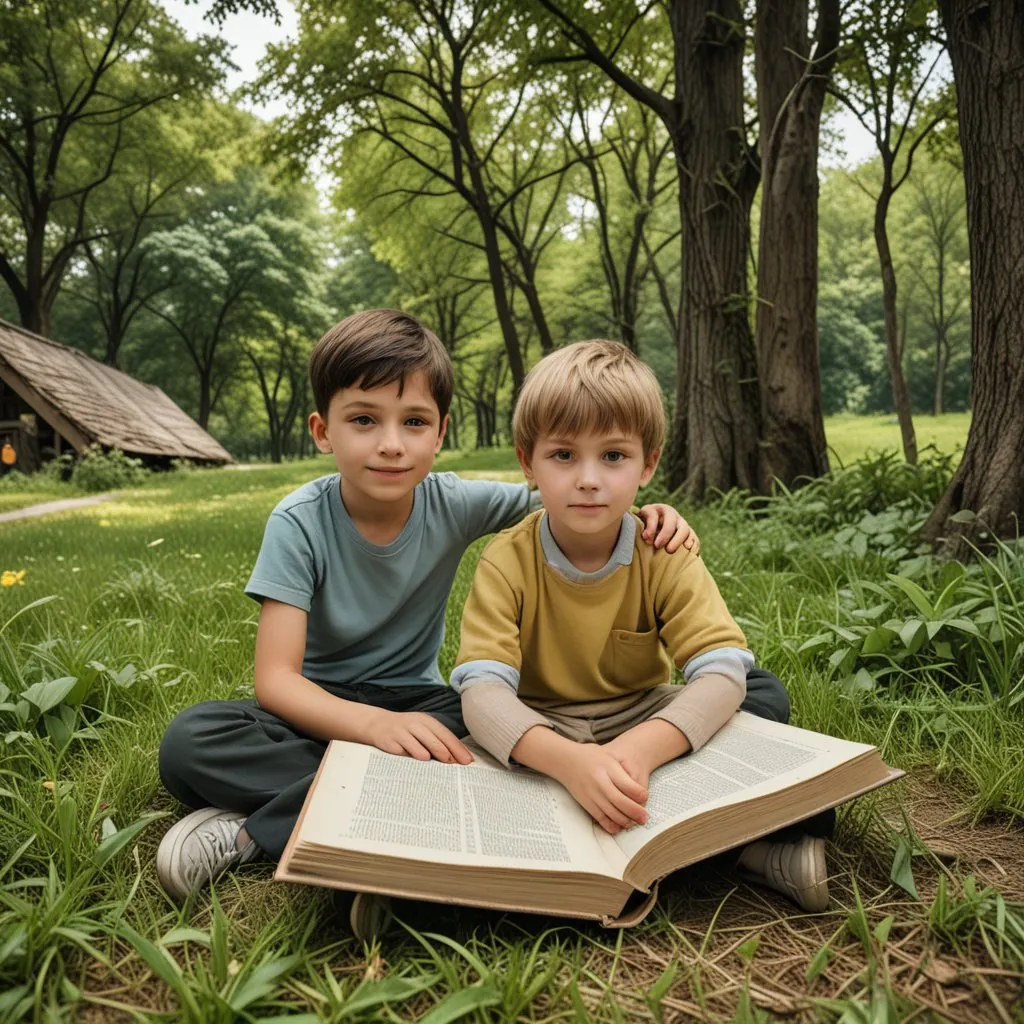
International Mother Language Day is the perfect occasion to explore your family's unique linguistic history. Sharing stories helps children appreciate their own cultural heritage by connecting them to their roots in a personal way. Ask grandparents or other relatives to share their experiences with the family's mother tongue.
This act of storytelling is a form of language learning and contributes to the protection of all languages by keeping their stories alive. You can prompt these conversations by asking specific questions.
- What songs or rhymes do you remember from your childhood?
- Are there special words or phrases in our language for certain foods or celebrations?
- Can you tell us a traditional story or folktale you grew up with?
These discussions pass down traditional knowledge and help children see language not just as a tool, but as a treasure chest of memories, traditions, and identity. It makes their heritage tangible and something to be proud of.
Discussing Heritage and Identity with Children
Talking openly about heritage and identity with your children helps them understand their place in the world. Explain that the language your family speaks is a key part of what makes you unique. This conversation sends a powerful message to kids about cultural diversity: that every culture is valuable and deserves respect.
When you explore various languages with your child, you show them that our differences are something to celebrate, not fear. You can point out friends or community members who speak other languages and talk about the beautiful sounds and expressions they use. This fosters an environment of curiosity and acceptance.
Ultimately, International Mother Language Day teaches children that the preservation of mother languages is important for everyone. It shows them that their own language is a gift, and by valuing it, they also learn to value the languages and heritage of others, creating a more tolerant and understanding community.
Fun Activities for Families to Celebrate at Home

Celebrating International Mother Language Day at home can be filled with joy and learning. You can organise simple family activities that highlight your own language or explore different languages from around the world. These activities create lasting memories and build a strong family bond.
From singing traditional songs to holding friendly literary competitions where you write poems in your mother tongue, the possibilities are endless. The goal is to make language a fun and interactive part of your celebration. Read on for some specific ideas to get you started.
Reading Picture Books and Stories in Different Mother Languages
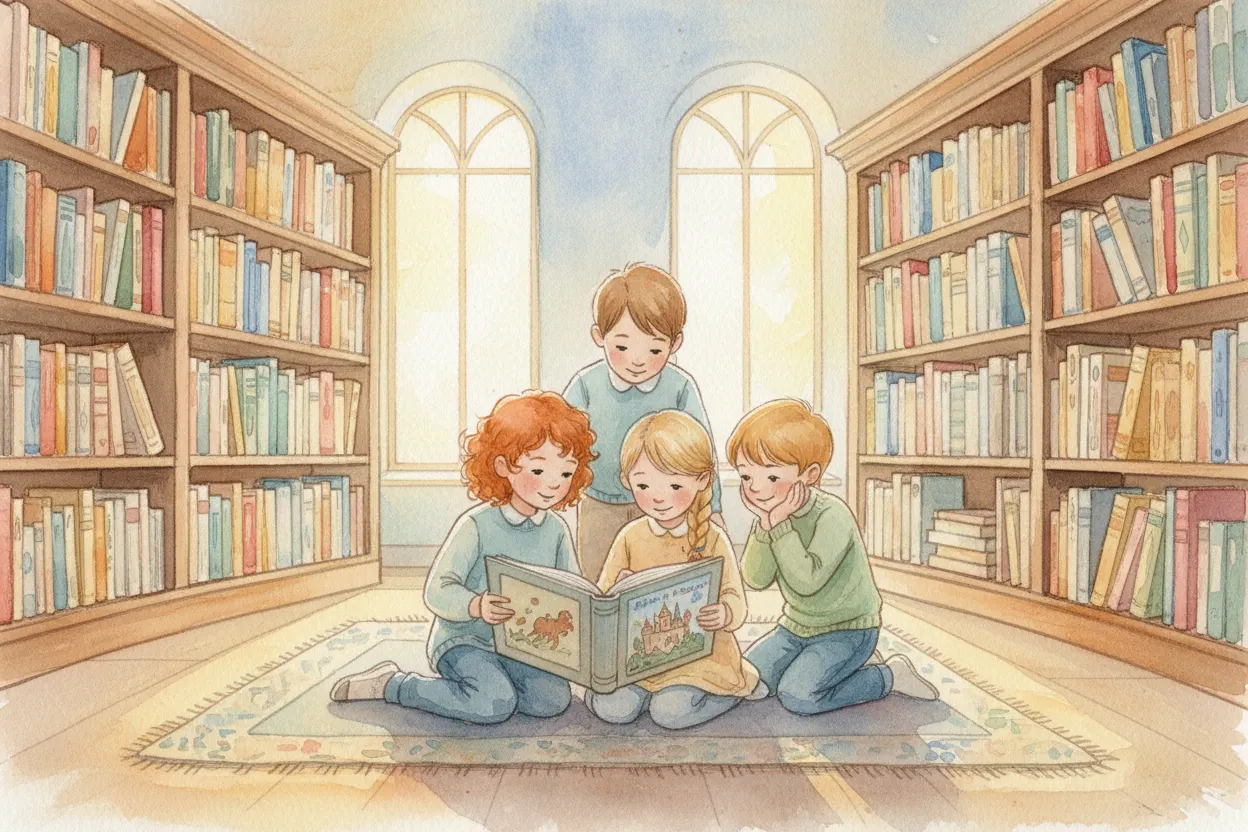
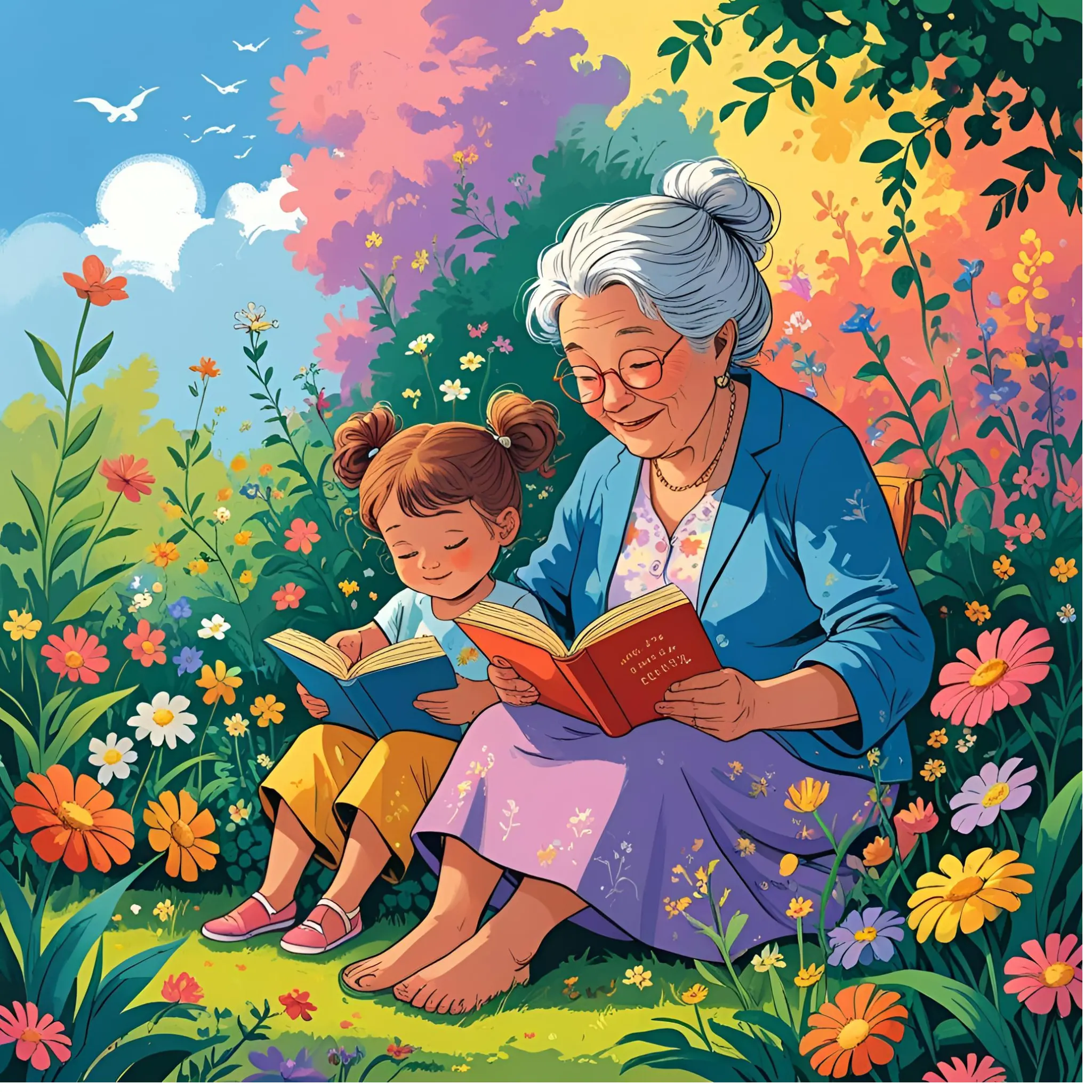
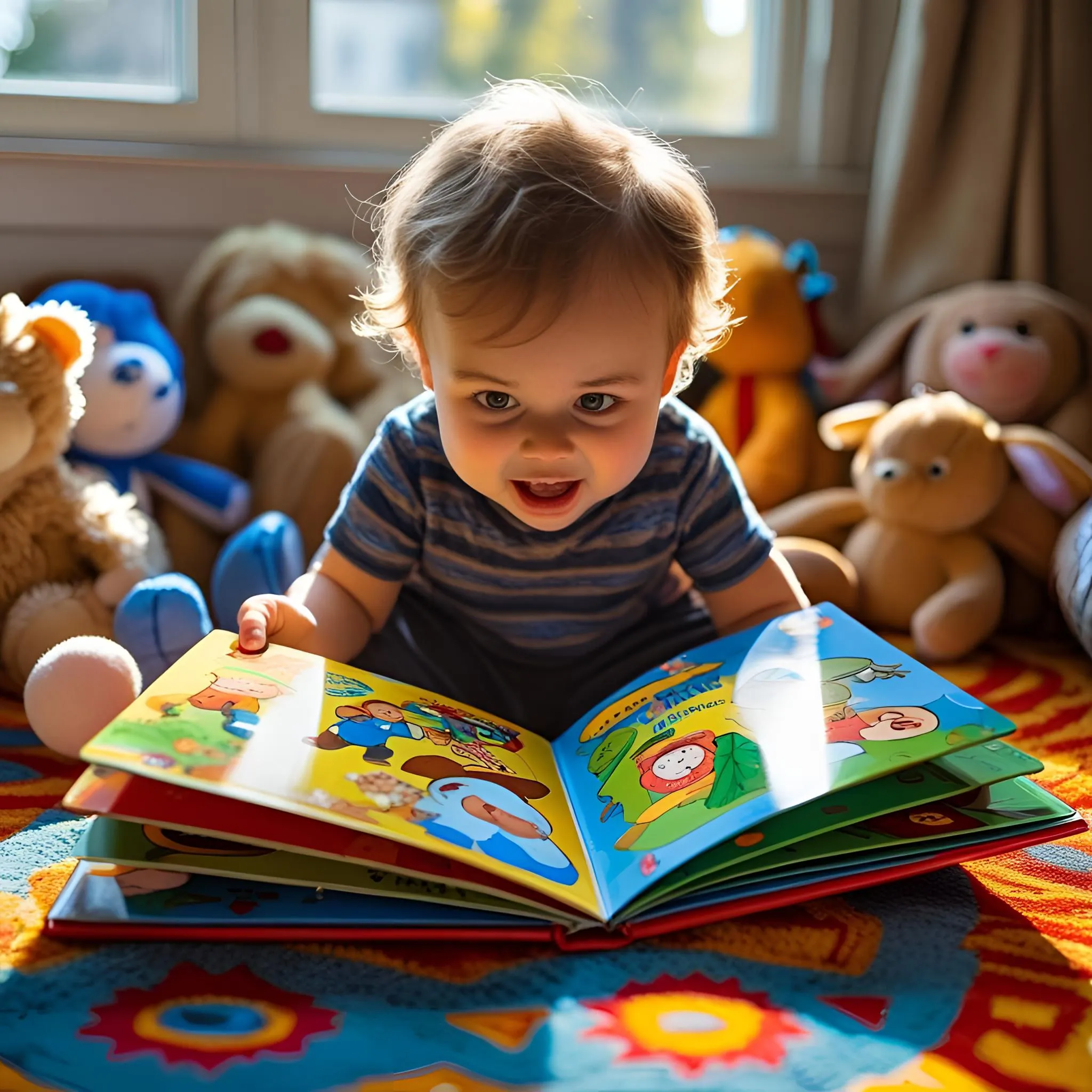
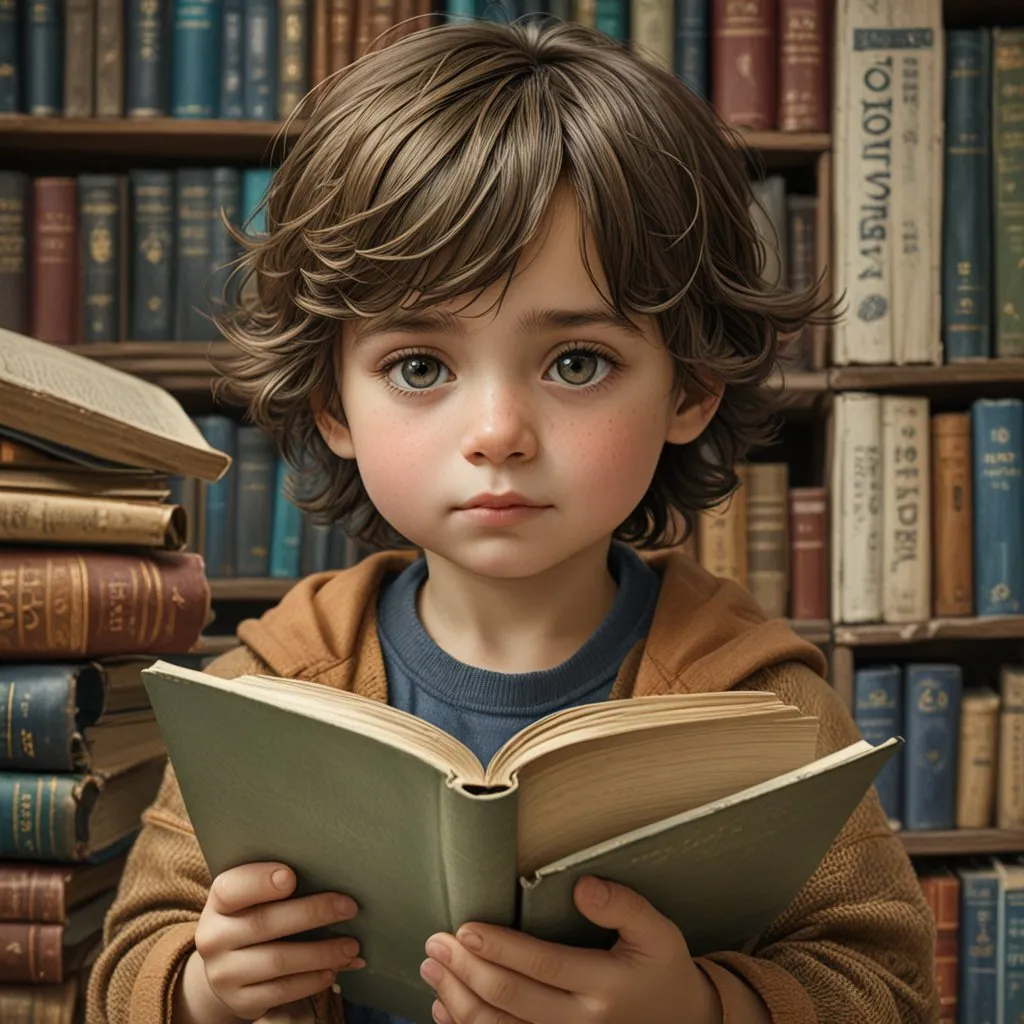
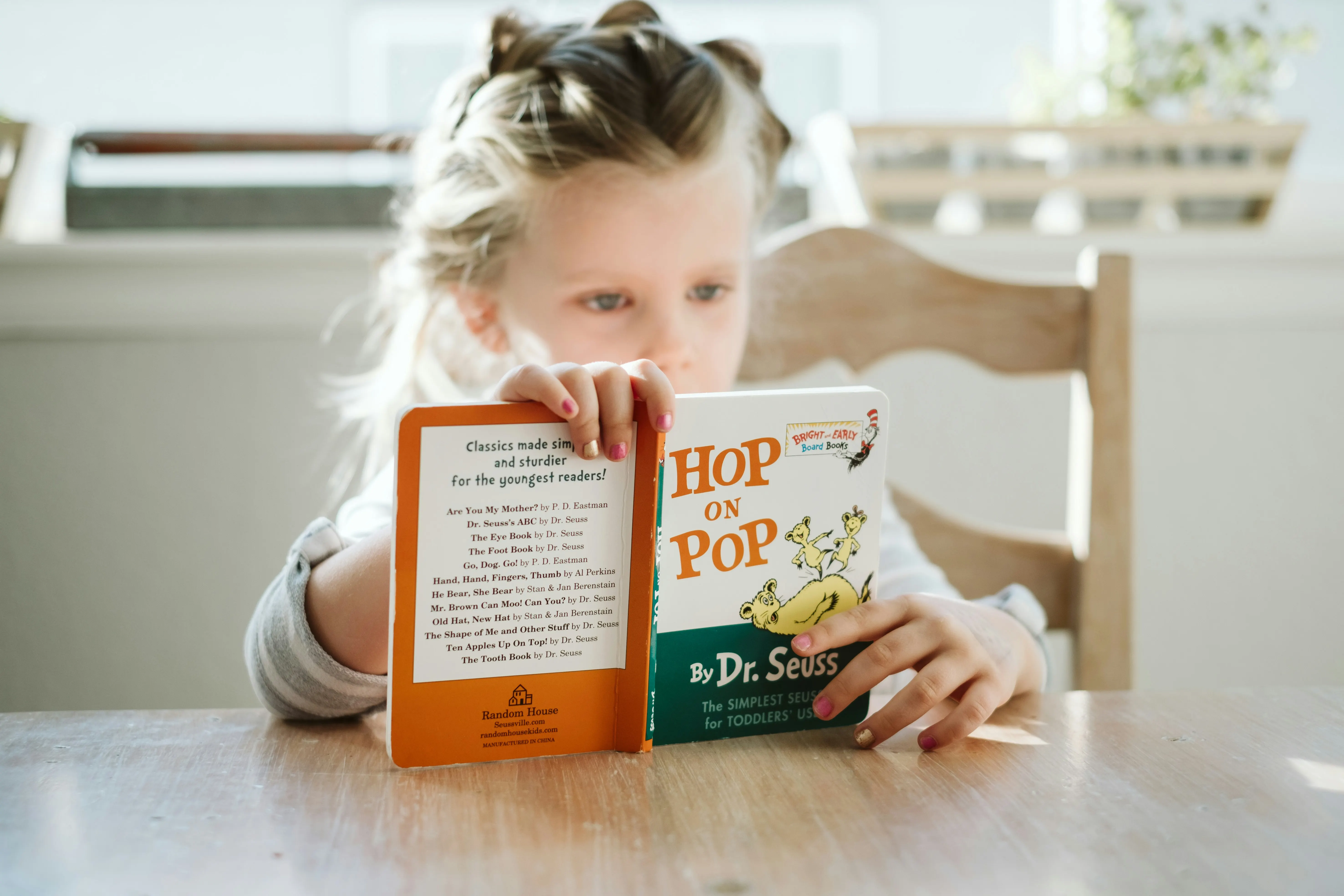
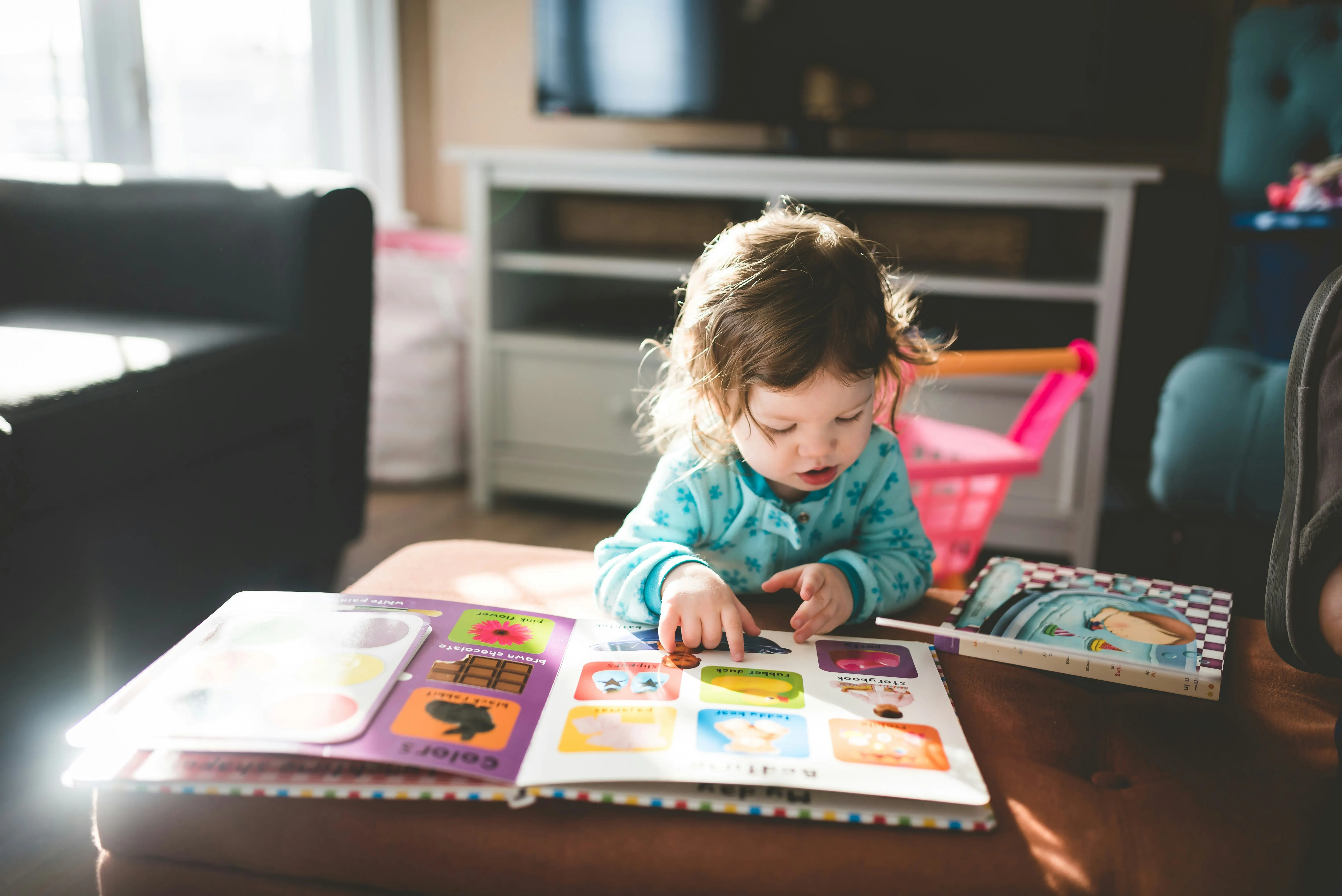
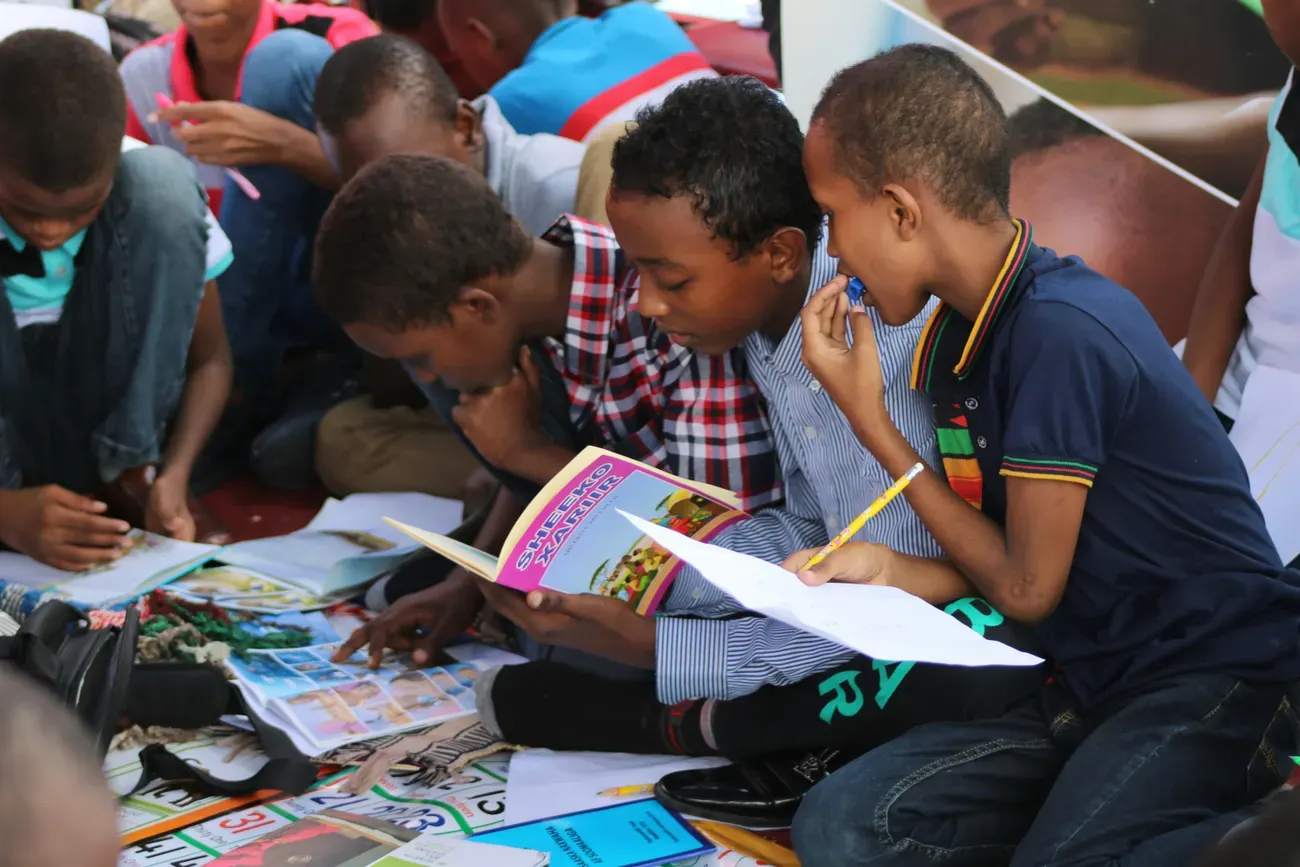
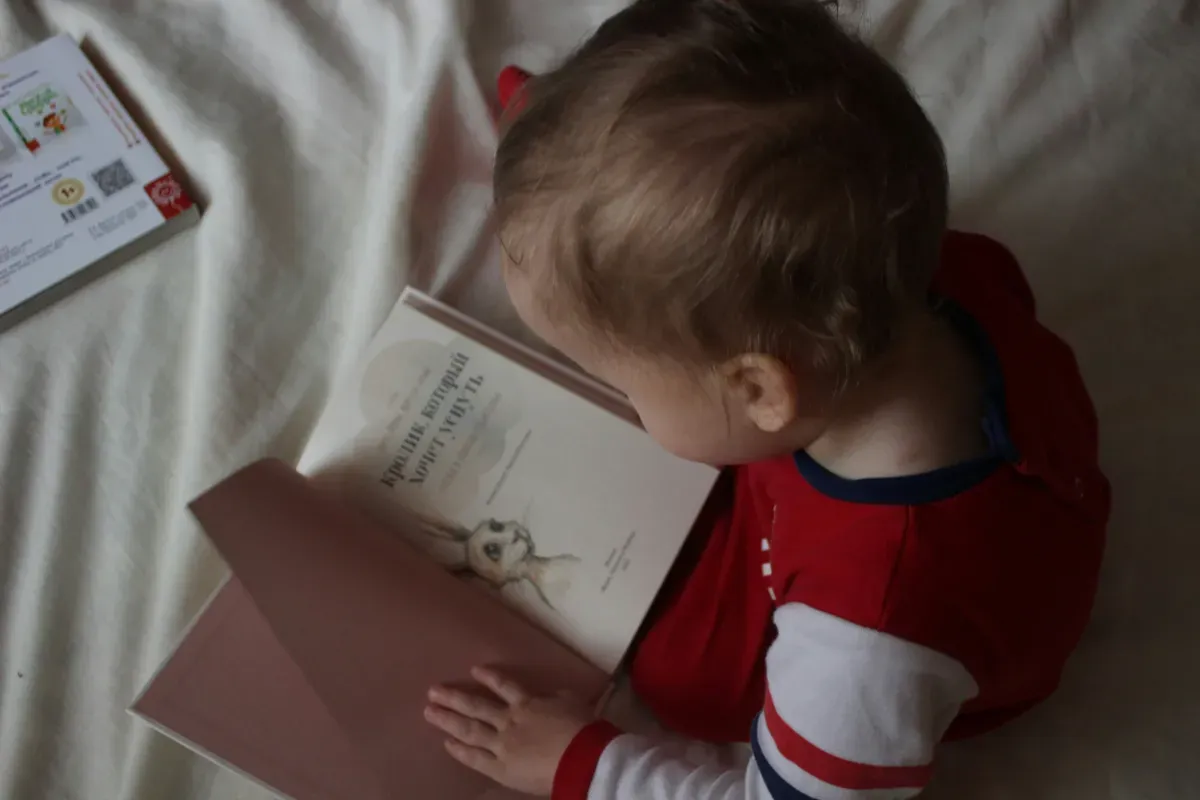
A wonderful way to celebrate is by reading together. Find picture books written in your family's mother tongue, whether it's Urdu, Spanish, or any other language. Reading stories aloud allows your child to hear the rhythm and sounds of the language, even if they are also learning English.
If you can't find physical books, many digital resources are available. These online libraries offer stories in hundreds of languages, making language learning accessible to everyone. You could even listen to an audiobook read by a native speaker.
- Check your local library for a multilingual section.
- Explore online resources like the International Children’s Digital Library.
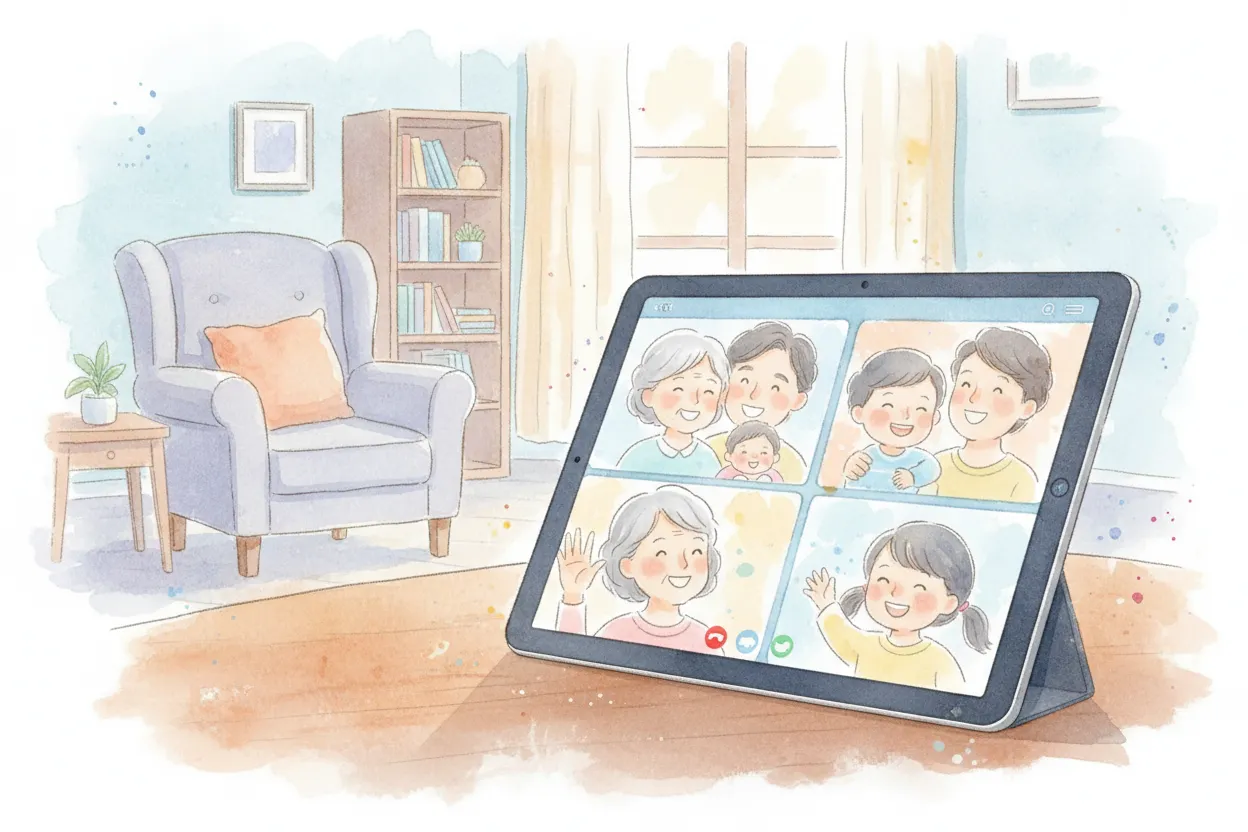
- Ask a family member who is fluent to read a story aloud, perhaps over a video call.
This activity sends a powerful message that all languages are valued. It shows your child that stories and knowledge exist in many forms beyond what they might encounter every day at school, broadening their perspective.
Engaging in Traditional Songs, Rhymes, and Games
One of the simplest and most joyful ways to celebrate at home is through music and play. Engaging in traditional songs, rhymes, and games from your culture is a fantastic way to pass on your linguistic heritage. These activities are often how children first learn the sounds and rhythms of their mother tongue.
Singing traditional songs helps with the protection of all languages by keeping oral traditions alive. The role of language in these activities is central, connecting melody and meaning to cultural traditions. You can teach your children the same lullabies or playground chants that you grew up with.
This doesn't have to be a formal lesson. Have fun with it! Play music in your mother language during dinner, or teach your child a simple clapping game with a rhyme. These small, playful moments reinforce the connection between language, culture, and family fun.
Bringing Mother Language Day into Everyday Life
The spirit of International Mother Language Day doesn’t have to be limited to February 21st. You can weave the celebration of multilingualism and different cultures into your family's daily routine. This sustained effort helps build more inclusive and sustainable societies right from your own home.
By making language a regular part of your life, you contribute to its preservation and show your children that it is a living, valuable part of their identity. The next section explores how you can use creative activities to make this a fun, ongoing practice for sustainable development of cultural appreciation.
Creating Art or Crafts Reflecting Mother Languages
Art is a universal language, making it a perfect tool to celebrate your mother language and cultural diversity. Creating art or crafts helps children express their connection to their heritage in a visual and tactile way. This hands-on approach can make the concept of language preservation feel more concrete and personal.
You can work together on a project that reflects your family's linguistic roots. This activity helps kids appreciate their heritage by allowing them to create something beautiful that represents it.
- Draw pictures inspired by a folktale told in your mother language.
- Create a "word of the week" poster with a new word in your language.
- Make a family language tree showing who speaks which languages.
- Craft a multilingual "Welcome" sign for your front door using greetings from different cultures.
These art projects serve as a beautiful reminder of your family's identity and the importance of language. They become part of your home, sparking conversations and reinforcing pride in your mother tongue.
Exploring Culinary Traditions from Different Languages

Food is a gateway to culture, and exploring culinary traditions is a delicious way to celebrate International Mother Language Day. Every dish has a story and often a name rooted in a specific language and place. Cooking together provides a fantastic opportunity to discuss your cultural heritage and learn new words. You can explore the connection between family recipes and the different languages they come from, making the experience both educational and tasty.
This activity brings language to life in a sensory way. As you prepare a meal, you can talk about the names of the ingredients and the cooking methods in your mother tongue. It’s a natural and enjoyable way to expand your child’s vocabulary and deepen their appreciation for the culture behind the food. The next section will guide you on how to do this with your own family recipes.
Cooking Family Recipes and Sharing Their Language Roots
A simple and heartwarming way to celebrate at home is by cooking together. Choose treasured family recipes and turn the kitchen into a classroom for cultural traditions. As you measure, mix, and cook, share the stories behind the dish. Perhaps it's a meal your great-grandmother made for special holidays.
Talk about the names of the ingredients and the dish itself in your mother tongue. This is a practical way to pass on traditional knowledge and vocabulary related to food. For example, you can explain why a certain spice is used or what the name of the dish means.
This shared experience connects your child to their linguistic and cultural roots in a tangible way. The smells and tastes of the food become linked with the sounds and words of your language, creating powerful, lasting memories that they will cherish.
Connecting with Community and School Celebrations in Canada
While International Mother Language Day is not a public holiday in Canada, many communities and schools embrace the celebration. Connecting with local events is a great way to extend your family's observance and meet other community members who share your passion for linguistic diversity.
Look for school programmes or local gatherings that honour the day. In a multicultural country like Canada, these events are wonderful opportunities for children to see multilingualism celebrated on a larger scale. Participating in them reinforces the message that their language has value both at home and in the wider community.
Participating in Local Events and School Programmes
Many schools and communities organise special activities for International Mother Language Day. These school programmes and local events are designed to celebrate the diverse linguistic backgrounds of students and residents. Getting involved is a great way for your child to feel part of a larger celebration.
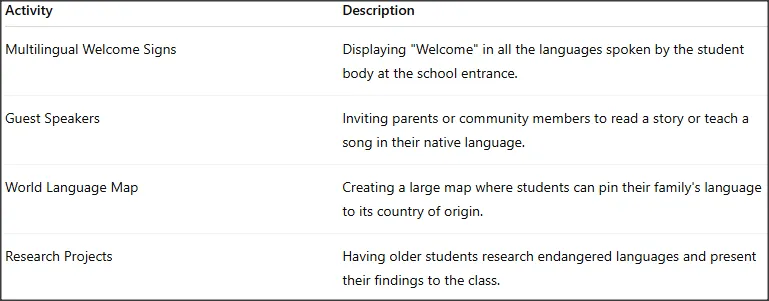
You might find that your child's school hosts a "culture share," where families are invited to give presentations about their traditions and teach a few words in their language. Other common activities include literary competitions, where students can write stories or poems in their mother tongue, or multilingual morning greetings over the school's announcement system. These events show that every language, not just the official language, is important.
Here are some examples of how schools might celebrate:
Encouraging Children’s Involvement in Multilingual Education
Multilingual education plays a crucial role in the spirit of International Mother Language Day. It is founded on the principle that children learn best when they are taught in their first language, especially in their early years. Supporting programmes that use a child's mother tongue helps improve learning outcomes and boosts their confidence.
When schools embrace multilingual education, they create an environment of inclusion. It tells learners that their home language is an asset, not a barrier. This approach helps preserve languages that might otherwise be lost and ensures that all students have an equitable opportunity to succeed.
As a parent, you can encourage your child's school to recognise the importance of linguistic diversity. Advocate for resources like multilingual books in the library or support events that celebrate the different languages spoken by students. This involvement reinforces the message that every language and every learner matters.
Supporting Language Learning for Kids

In today's digital world, supporting your child's language learning journey is more accessible than ever. Technology offers a wealth of tools that can make learning a new language or strengthening a mother tongue an engaging and interactive experience. Using these resources contributes to the protection of all languages.
Whether through apps, websites, or online communities, you can find creative ways to supplement your child’s learning. These tools can help with everything from vocabulary and pronunciation to cultural understanding. The following sections will highlight some useful resources for parents.
Useful Resources for Parents in Canada
For parents in Canada looking to support their child's language learning, a variety of resources are available. These tools can help you teach your child about their heritage language and the importance of being multilingual. Start by exploring what is available in your local community and online.
Many public libraries in Canada have collections of multilingual books for children. Community centres often host cultural events or language classes for families. Online, you can find numerous websites and organisations dedicated to language preservation and education.
- Local Libraries: Check for books, music, and films in various languages.
- Community Centres: Look for cultural groups that offer language programmes or family events.
- Online Digital Libraries: Websites like the International Children's Digital Library offer free access to books in many languages.
- Cultural Organisations: Search for associations in Canada related to your specific language or culture.
These resources can provide the support you need to make language learning a fun and enriching part of your family's life, not just on International Mother Language Day, but all year round.
Technology and Apps for Learning Mother Languages
Technology has opened up exciting new avenues for language preservation and learning. For parents and teachers alike, a well-chosen app can turn learning a mother language into a fun game for young learners. These tools are often designed to be interactive and engaging, holding a child's attention while teaching them vocabulary, grammar, and pronunciation.
Many apps use game-based learning platforms to make the experience enjoyable. Teachers can introduce International Mother Language Day by using these tools in the classroom, for instance, by playing a game that teaches students how to say "hello" in different languages. This approach makes the concept of multilingualism accessible and exciting.
- Kahoot: This platform has user-created games on topics like "Hello in different languages."
- Translation Apps: Useful for learning correct pronunciation for class activities.
- Language-Learning Apps: Many apps are designed specifically for children to learn various languages.
- Digital Storybooks: Apps that offer stories in multiple languages with audio narration.
This use of technology not only helps individual learners but also plays a role in the broader effort of language preservation by making mother languages more visible and accessible in the digital space.
Conclusion
Celebrating International Mother Language Day is a wonderful opportunity for families to foster a deeper understanding of cultural diversity and multilingualism. By engaging in activities that highlight the significance of mother languages, you not only honour your heritage but also create lasting memories with your children. From sharing family stories and cooking traditional recipes to participating in community events, each step taken enriches your family's connection to language and identity. Encourage your children to embrace their roots, as this will contribute to their overall development and appreciation of diverse cultures. Let’s celebrate together and ensure that our mother languages continue to thrive for generations to come. For more ideas and resources, explore local events and activities that can enhance your family’s experience.
Frequently Asked Questions
Why is International Mother Language Day important for children and families?
International Mother Language Day is important because it helps children connect with their cultural heritage and promotes inclusion. It celebrates linguistic diversity, reinforcing the value of their own language and encouraging the protection of all languages, which fosters pride and respect for others in our diverse world.
What are easy ways families can participate in International Mother Language Day?
Families can participate through simple family activities like cooking a traditional meal, reading a book in different languages, or singing songs in their mother tongue. These fun approaches support language learning and the preservation of mother languages, making multilingualism a joyful part of family life.
How does celebrating mother languages benefit children in Canada?
In Canada, celebrating a child's mother tongue reinforces their identity in a multicultural society. It supports multilingual education, promotes appreciation for cultural diversity, and helps children see their bilingual skills as a valuable asset, contributing to the nation's social fabric and goals for sustainable development.