Explore Imagination: Picture Book with No Words
Explore Imagination: Picture Book with No Words
Dec 31, 2025
Engaging Kids: A Picture Book with No Words to Explore

Key Highlights
- A wordless picture book uses only illustrations to tell a complete story, inviting interpretation. These books are powerful tools for developing early literacy and communication skills in young children. They spark imagination, allowing you and your child to co-create the narrative in your own words. If you are searching for a list of top wordless picture books online, websites such as Goodreads, Scholastic, and The Book Trust often publish curated selections and recommendations for both parents and educators.
- These books are powerful tools for developing early literacy and communication skills in young children.
- They spark imagination, allowing you and your child to co-create the narrative in your own words.
- Reading a wordless book together can become a wonderful family bonding activity.
- Many popular titles explore themes like a story of friendship, kindness, and adventure, fostering a love of reading.
Watch on YouTube!
Introduction
Have you ever opened a book with your child to find no words inside? A wordless picture book is a unique experience, offering a story told entirely through its illustrations. Instead of reading text, you and your child become the storytellers.
Whether it's the tale of a little boy befriending an animal or a magical journey, these books are special because they empower young children. They build confidence, encourage a focus on visual details, and create a shared experience that can ignite a lifelong love of reading.

Discovering Wordless Picture Books for Kids
Embracing a wordless picture book can feel unusual at first, especially for adults who are used to text-driven narratives. However, these books hold a special kind of magic for young children, inviting them to pore over detailed illustrations and make sense of the story of a boy and his adventures alongside a graceful flamingo on their own terms.
This unique format provides a stress-free way to enjoy books and build positive literary experiences. Let's explore what a wordless book is and understand why its format is so captivating for children.
What Is a Picture Book with No Words?
A picture book with no words is exactly what it sounds like: a narrative told exclusively through images. The illustrator carries the full responsibility of conveying the plot, characters' emotions, and setting through their artwork. The entire story unfolds from one page to the next based on the sequence of illustrations.
This format is special because it hands the storytelling power over to the reader. There is no "right" way to read a wordless book. Children get to interpret the events and characters' feelings in their own words, making each reading a fresh and personal experience.
Imagine a story where a child draws a magic door on their wall and steps into another world. Without text, your child is the one who describes the adventure, expresses the wonder, and decides what happens next. This active participation makes the story uniquely theirs, boosting creativity and confidence.
Why Are Wordless Books Engaging for Children?
The engagement from a wordless book stems from its interactive and imaginative nature. Children are not passive listeners; they are active participants in exploring amazing things. The detailed illustrations encourage them to look closely, spot hidden details, and piece together the narrative puzzle. This process is inherently rewarding and builds crucial thinking skills.
For example, a story might show a young farm girl performing an act of kindness for a stray animal. By observing her expressions and actions in the illustrations, a child learns to infer emotions and motivations, which is a key component of reading comprehension. Wordless books empower children by making them the authority on the story.
A few reasons they are so engaging include:
- Fostering Imagination: They provide a visual framework, but the narrative details are left to the child's imagination.
- Building Confidence: Children who are not yet reading or are reluctant readers can successfully "read" the entire story.
- Encouraging Observation: The lack of text guides a child's focus to the rich details within the art.
The Unique Appeal of Wordless Stories
The appeal of a wordless story lies in its purely visual narrative. Following the journey of a little girl or a young boy through illustrations alone teaches children to pay close attention to visual cues like character expressions, setting changes, and action sequences. This process is not only educational but also so much fun.
These books turn reading into a collaborative and creative act. The sections below will look at how visual storytelling sparks the imagination and how families can use these books to create stories together.
Visual Storytelling and Imagination
Visual storytelling is an art form where the illustrations do all the heavy lifting. In a wordless book, the artist uses colour, perspective, and character design to convey emotion and advance the plot. A story of a boy's adventure can be shown through dynamic images of a whimsical ride, with his excitement clear from the expression on his face.
The beauty of this format is that it makes reading accessible to everyone, regardless of reading ability, even on a rainy day. The illustrations invite children to step into the story and make it their own. A book depicted in bold watercolor can evoke a certain mood, while intricate line drawings might encourage a closer look to uncover hidden details.
This active engagement is what makes these books so special. They stimulate a child's imagination in a way that text-based stories cannot, helping to build a foundational love of reading by making it an interactive and deeply personal experience.
Creating Narratives Together as a Family
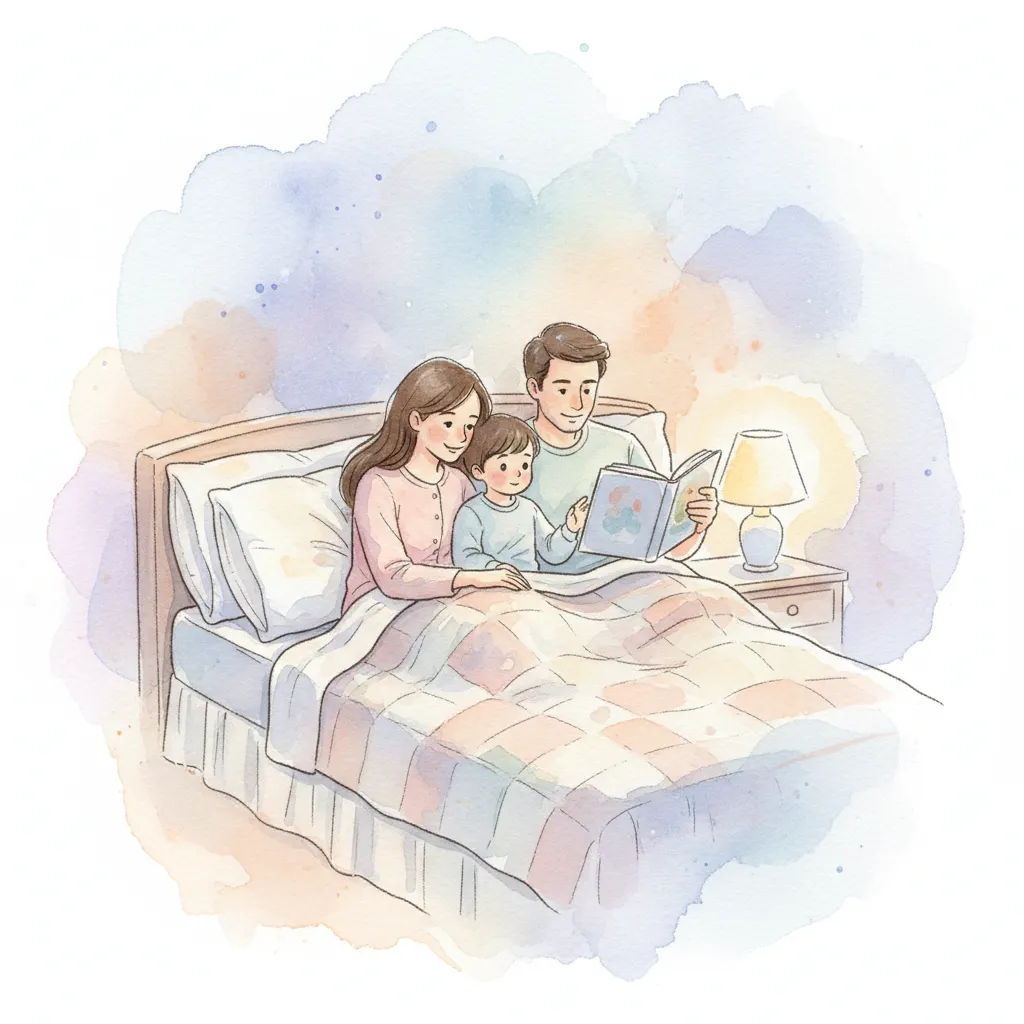
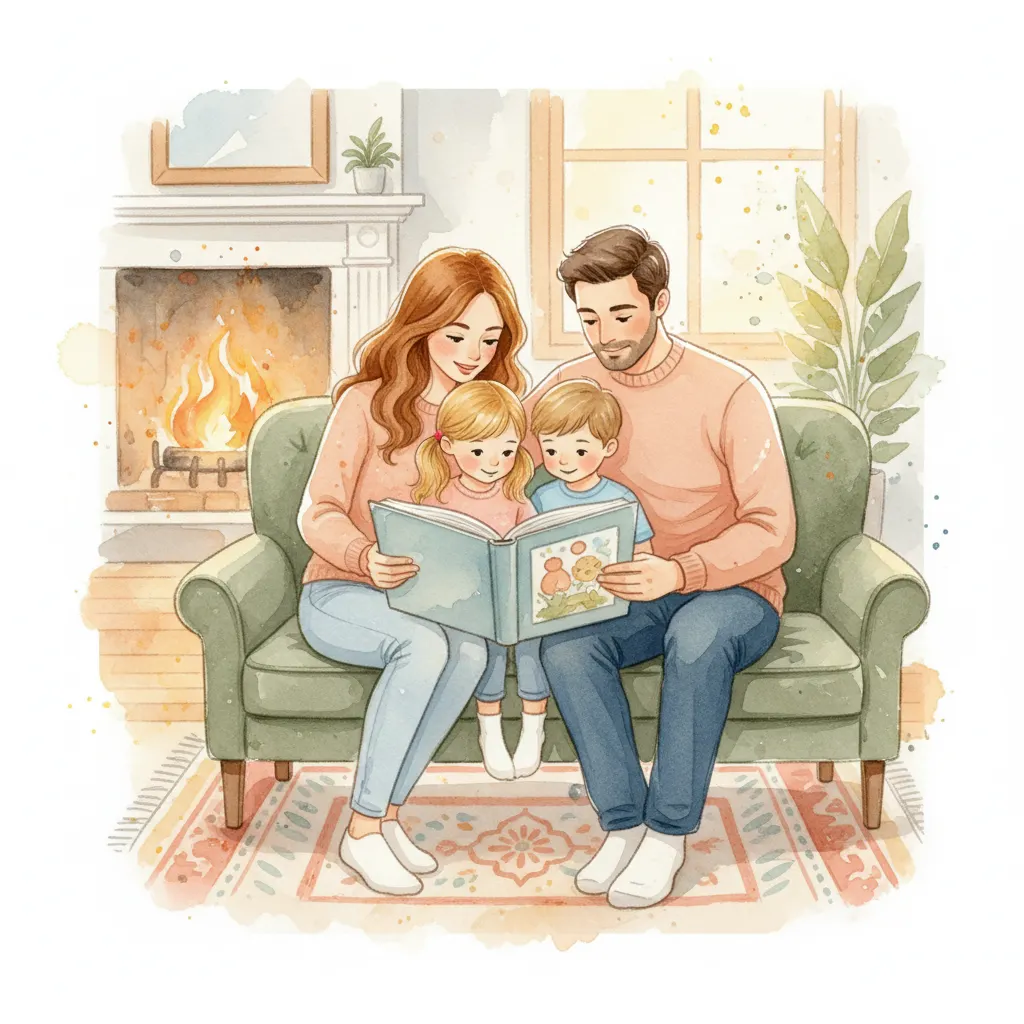
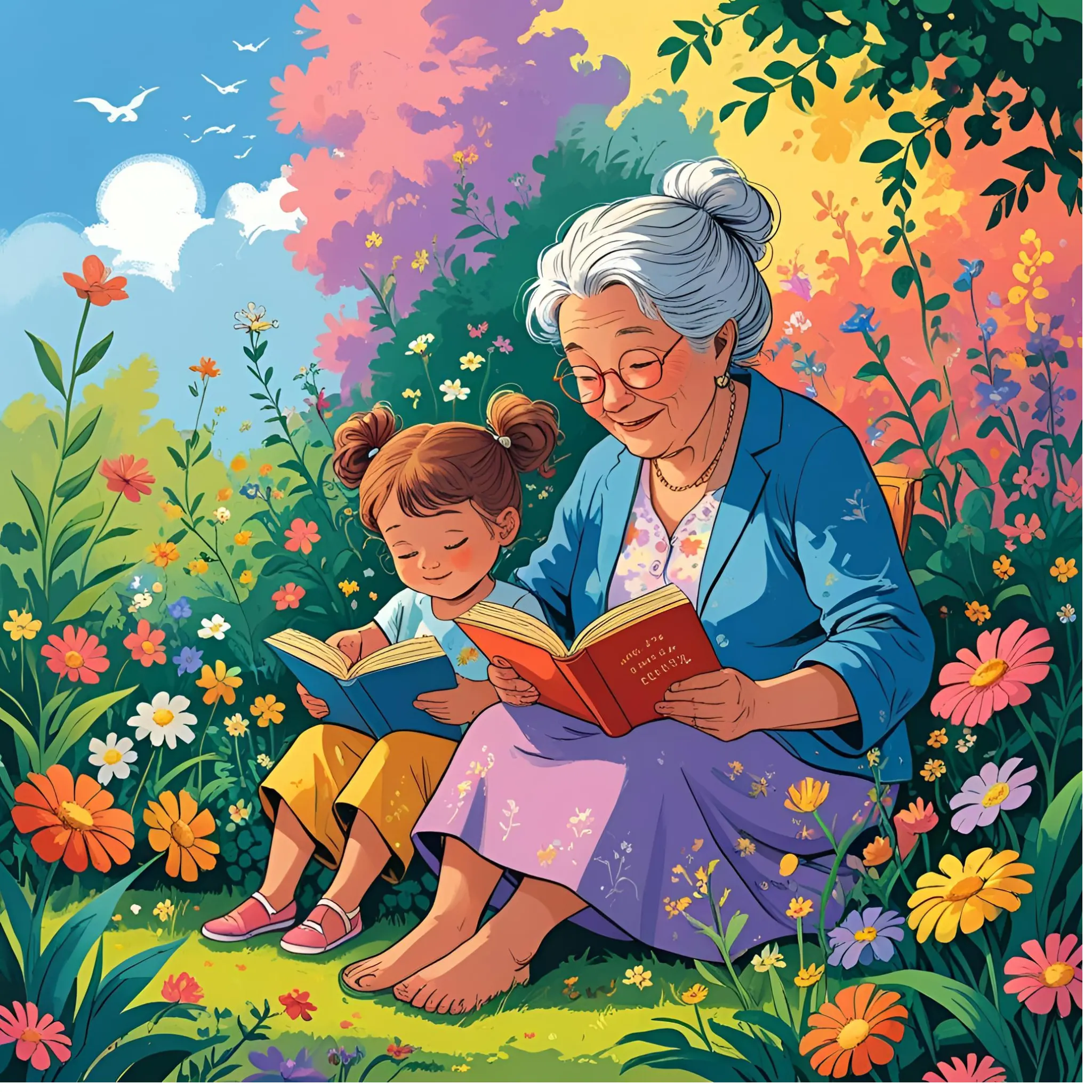
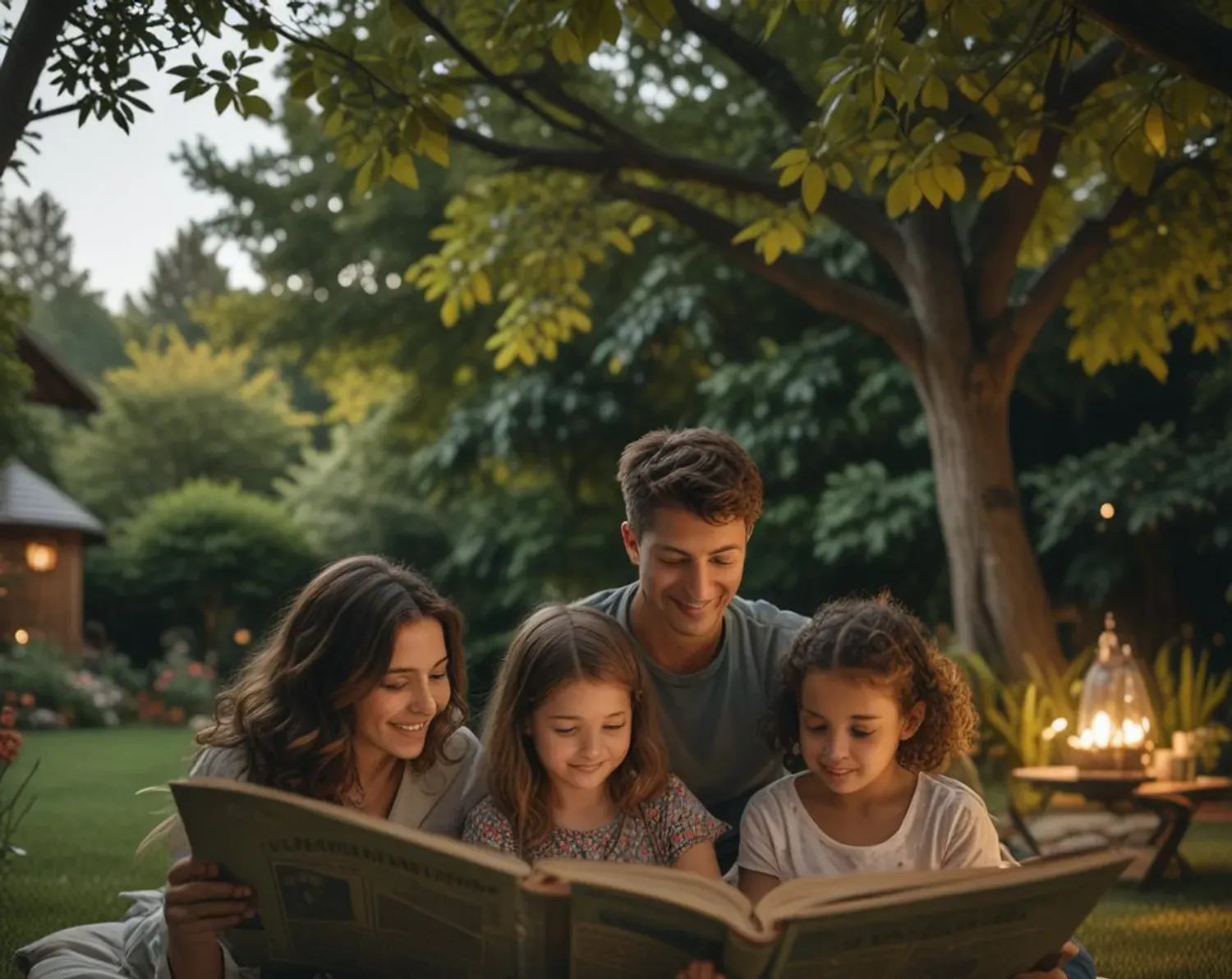
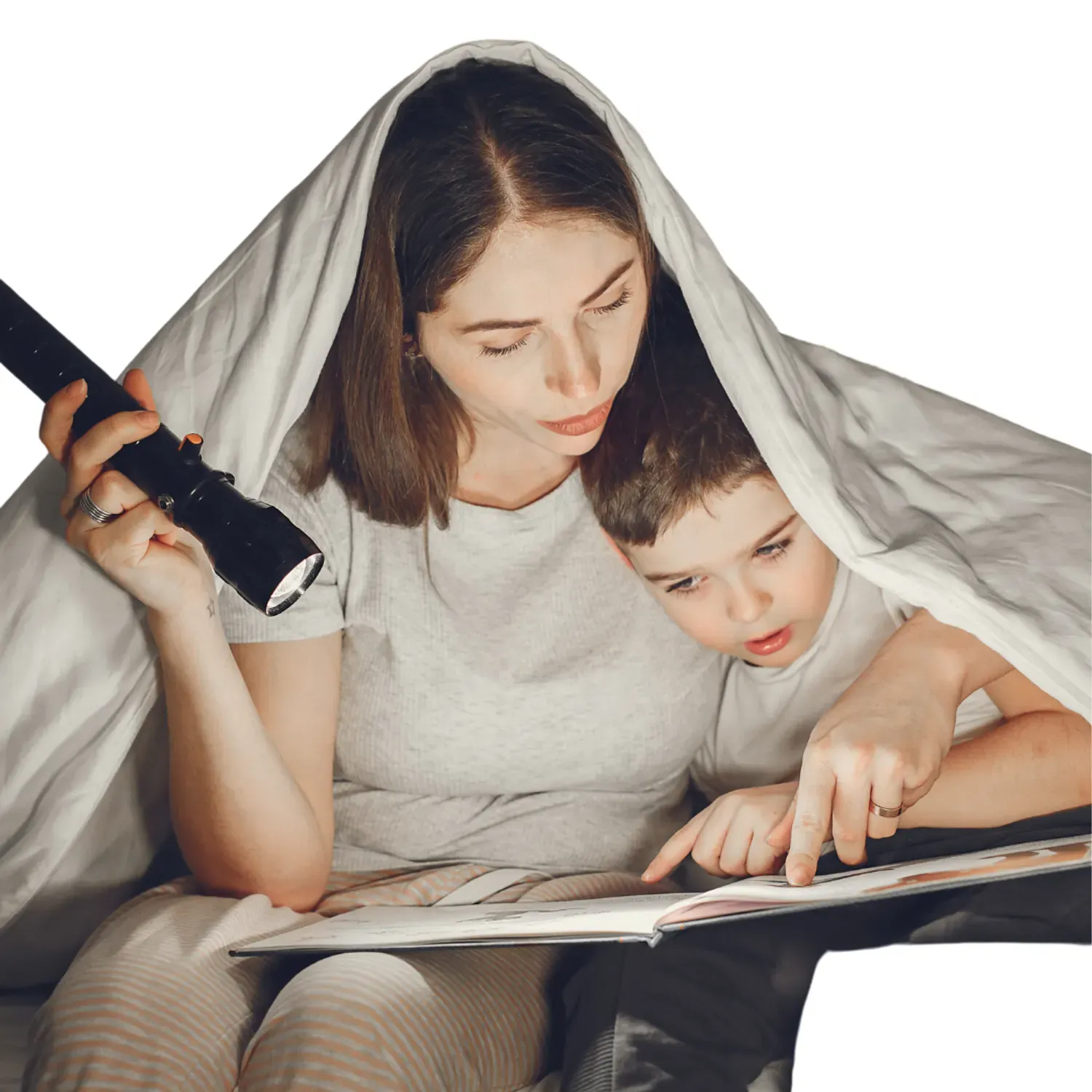
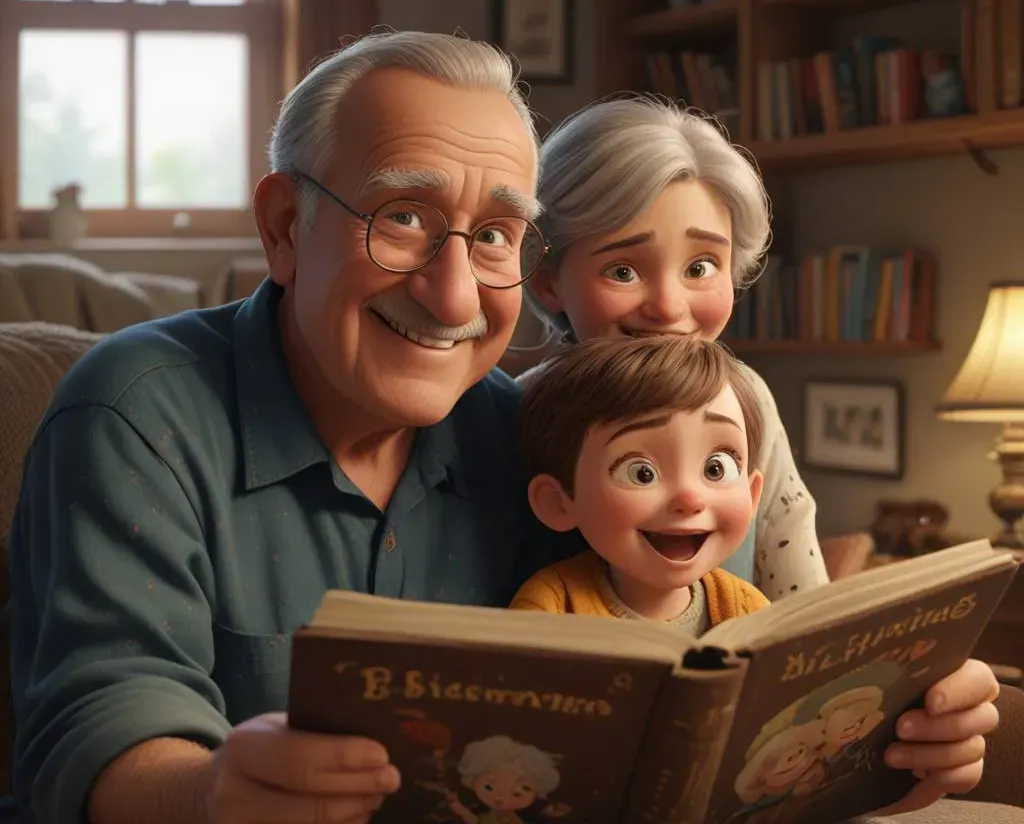
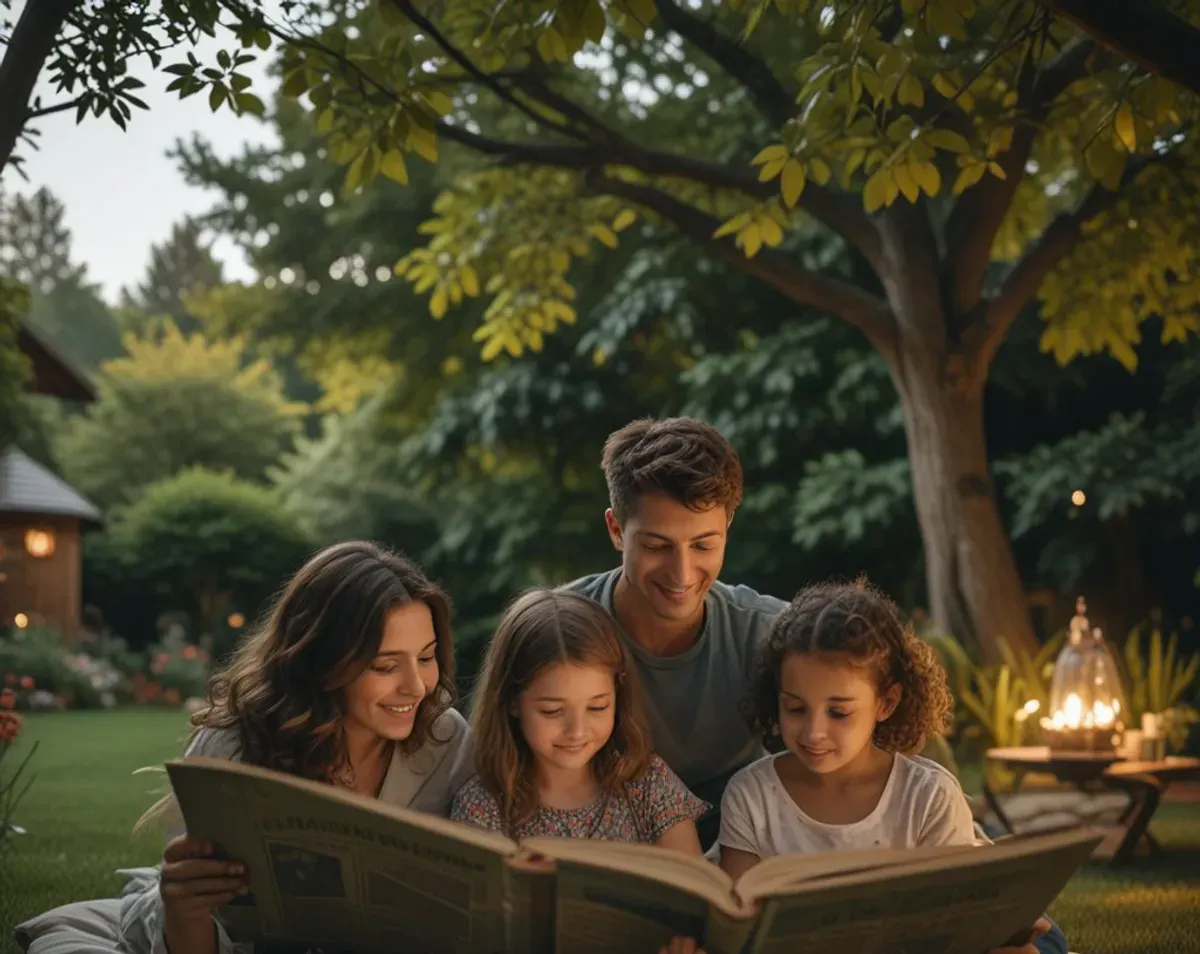
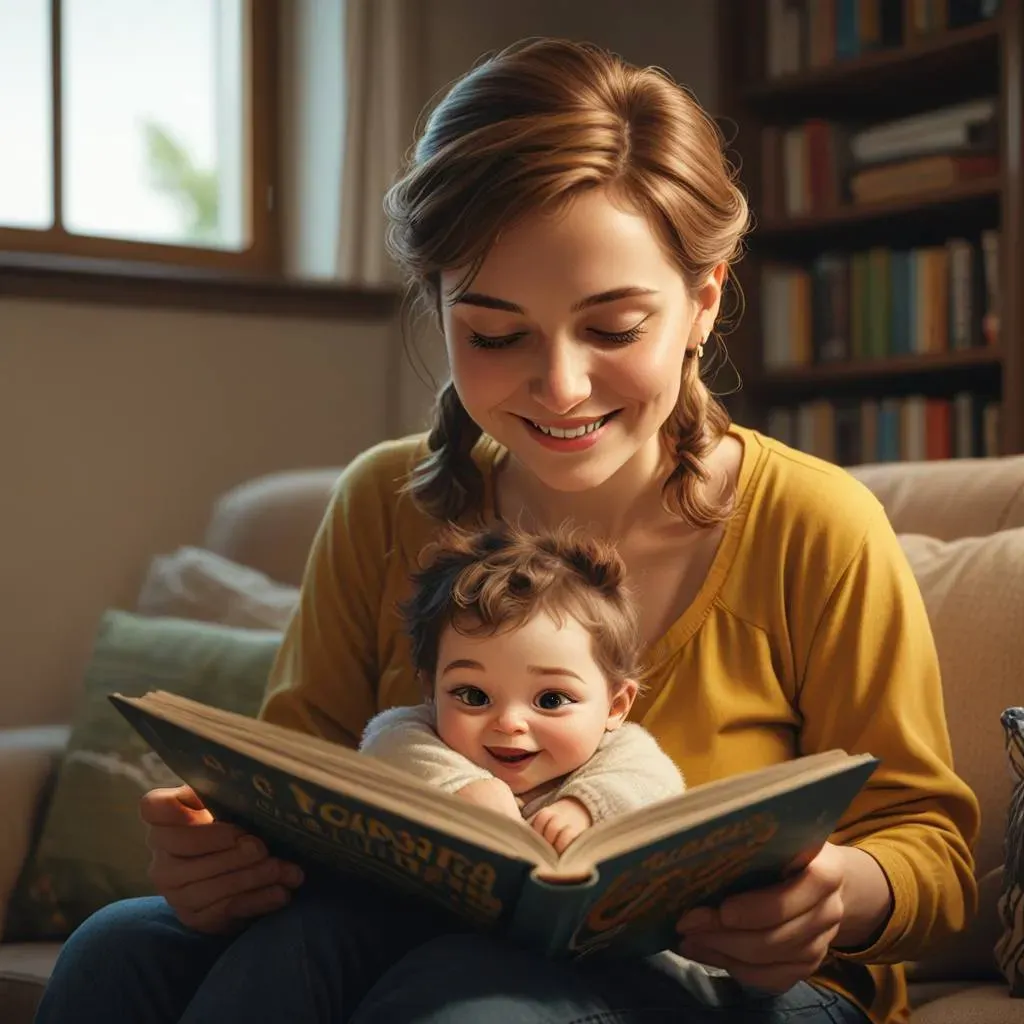
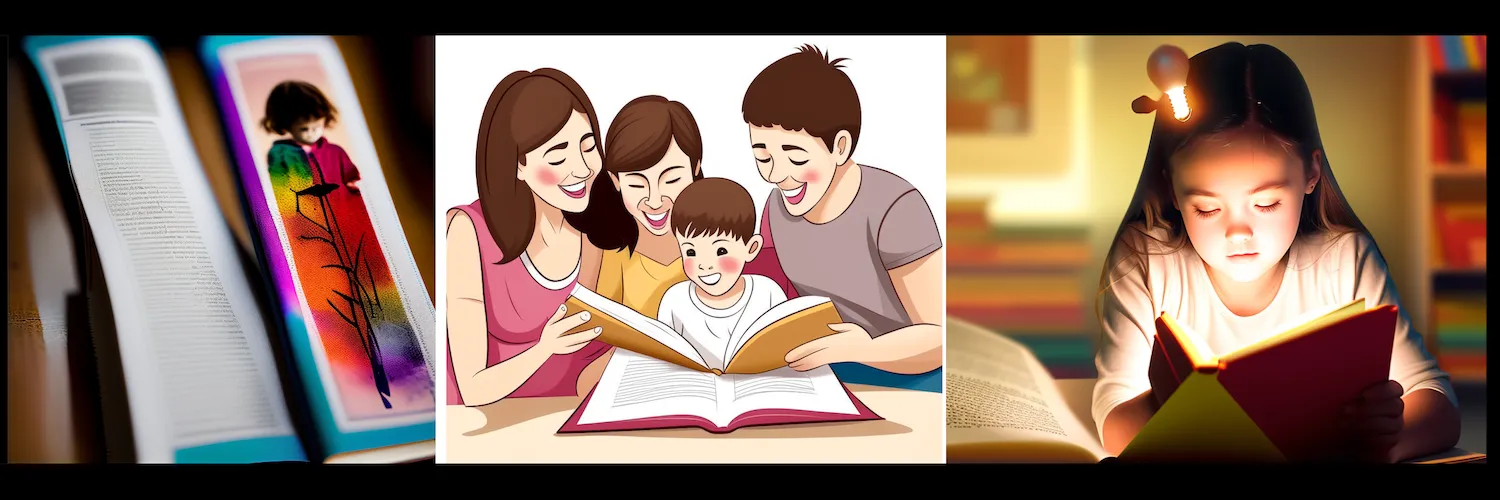
One of the greatest joys of wordless books is their ability to bring families together for shared storytelling on this particular Tuesday. When you sit down with your child for a bedtime story, you aren't just reading—you're co-creating. You can take turns describing what's happening or create voices for the characters, like a mischievous family of hamsters.
This collaborative process strengthens family bonds and enhances your child's communication skills. It encourages young children to express their ideas and listen to others' perspectives. You might be surprised by the details your child notices or the creative turns the story takes when they are in the driver's seat.
Here are a few ways to enjoy creating narratives together:
- Ask open-ended questions like, "What do you think will happen next?" or "How is that character feeling?"
- Encourage your child to "read" the story to you in their own words.
- Act out the scenes together, making sound effects and gestures.

Developmental Benefits for Children
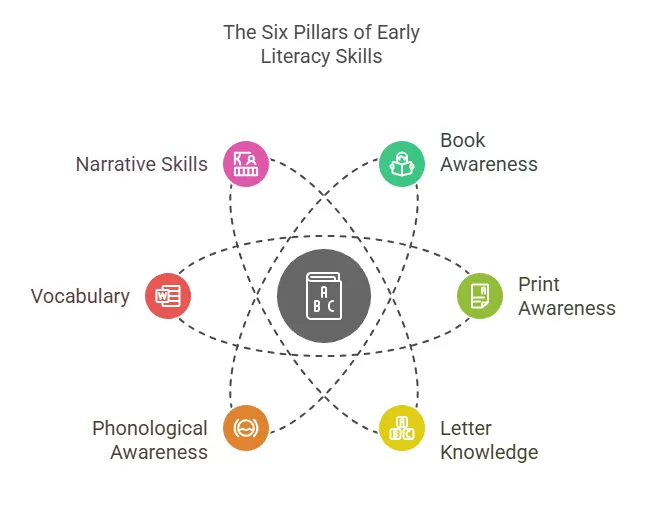
Beyond being entertaining, an almost wordless picture book offers significant advantages for early childhood development. These books are fantastic tools for building foundational early literacy skills in young children, even before they can recognise letters or words. They naturally support language development, communication, and comprehension.
By interpreting the story through pictures, children are practising key pre-reading behaviours. The following sections explain how these books specifically help build literacy and improve communication and comprehension abilities.
Building Early Literacy Skills
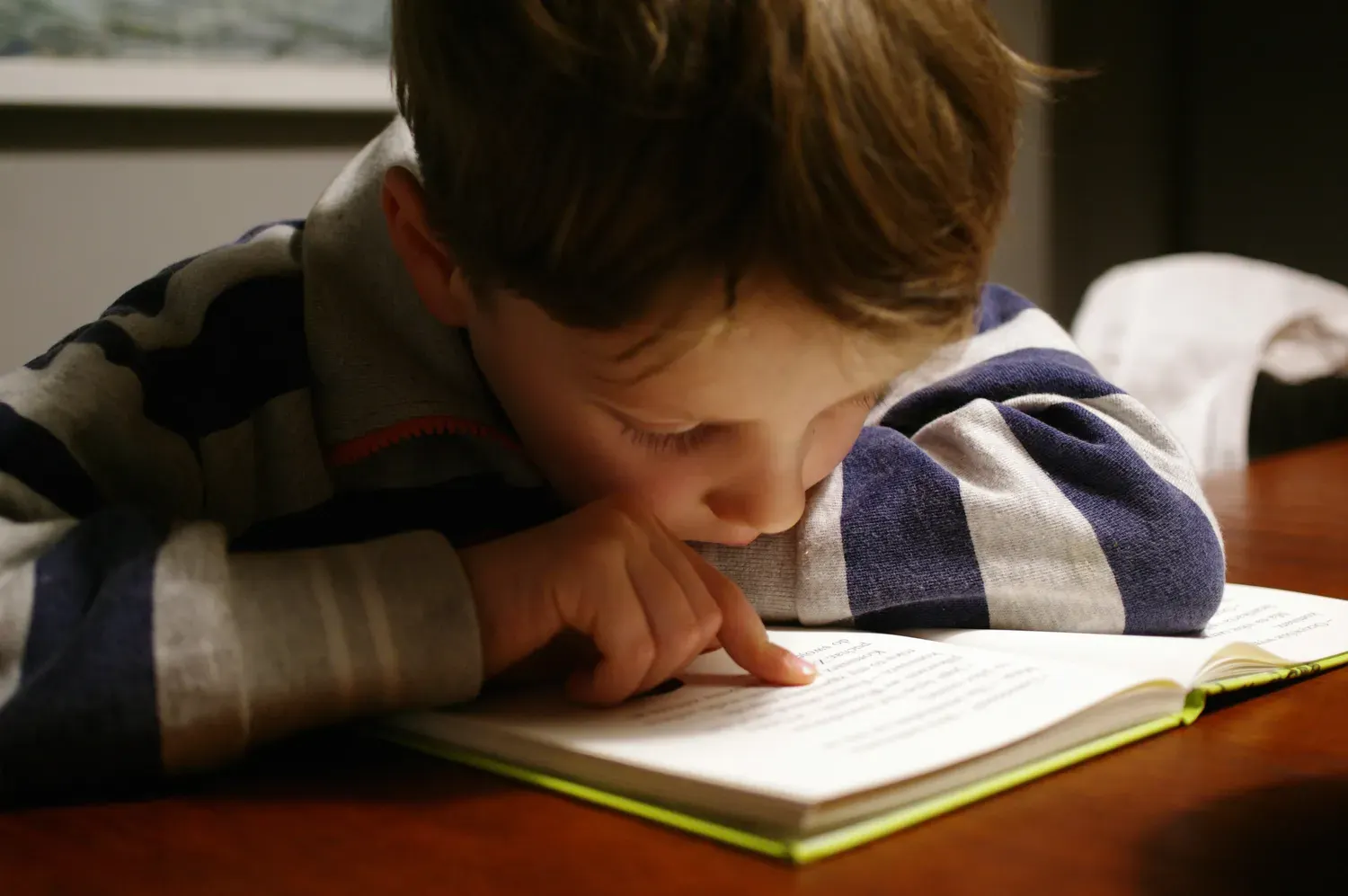
Wordless picture books are instrumental in developing early literacy skills. They teach children that stories have a structure—a beginning, a middle, and an end. By following the sequence of illustrations, children learn about plot progression and cause and effect without the pressure of decoding text.
Imagine the story of a boy who loses his favourite toy. A child can follow his journey through the pictures, understanding his sadness and eventual joy when it is returned. This narrative understanding is a critical precursor to reading. Stories that feature an act of kindness or the adventures of a little girl help children connect with characters on an emotional level.
This process helps build a positive association with books, fostering a love of reading from a young age. Whether shared at bedtime or during quiet time, these books make storytelling an accessible and enjoyable activity for every child.
Enhancing Communication and Comprehension
Engaging with a wordless book is a fantastic way to boost communication and comprehension. Since there are no words to read aloud, the experience naturally opens up a dialogue. You can ask your child what they see in the illustrations, what they think the characters are feeling, and what might happen on the next page.
This back-and-forth storytelling expands a child's vocabulary as they search for words to describe the scenes. It also strengthens their comprehension skills as they learn to infer meaning, predict outcomes, and understand character motivations based purely on visual evidence. A wordless book requires children to think critically about the narrative.
Here is how they help:
- Vocabulary Growth: Children learn new words as you or they describe the pictures.
- Narrative Skills: They practise telling a story in a logical sequence.
- Inferential Thinking: They learn to "read between the lines" by interpreting characters' expressions and actions.
Popular Wordless Picture Books in Canada
Many beloved Canadian favourites are wordless picture books. Titles from creators like Aaron Becker and classics like The Snowman have captivated families for years. These books often tell a powerful story of friendship or adventure through stunning artwork, making them a delightful wordless picture book choice.
If you are looking to add to your home library of children’s books, there are many incredible options to explore. Here are a few favourite wordless picture books that have become modern classics, celebrated for their artistry and imaginative storytelling.
Journey by Aaron Becker
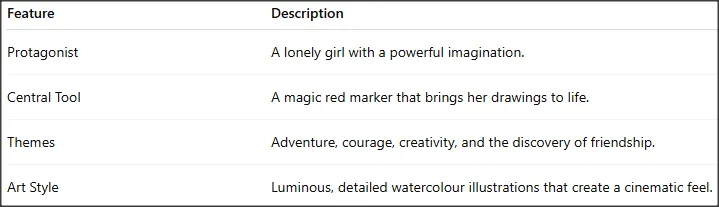
Journey by Aaron Becker is a Caldecott Honor-winning book that whisks readers away on a breathtaking adventure. The story follows a lonely girl who, feeling bored, uses a magic red marker to draw a door on her bedroom wall. She steps through this magic door into a fantastical world filled with castles, airships, and canals.
The detailed illustrations are the heart of this book, allowing children to get lost in the rich, imaginative landscapes. The girl uses her red marker to create solutions to challenges, drawing a boat to cross water and a hot air balloon to soar through the sky. Journey is the first in a trilogy and is celebrated for its themes of self-determination and friendship.
This book is a perfect example of how illustrations can tell a complex and emotionally resonant story without a single word.
The Snowman by Raymond Briggs
A true classic, The Snowman by Raymond Briggs tells a magical story of friendship between a young boy and a snowman he builds on a snowy, wintry day. The soft, hazy illustrations beautifully capture the wonder of the moment the snowman comes to life.
That night, the boy invites the snowman inside, and the two explore the house before embarking on a nighttime joy ride through the sky. They soar over towns and countryside, creating a dreamlike sequence that has enchanted readers for generations. The story is packed with emotion, from the initial excitement to the bittersweet ending.
The wordless format allows children to experience the boy's wonder and sadness over a frog on a personal level, making it a powerful read long after bedtime. The gentle illustrations make this a perfect introduction to wordless storytelling.
Where’s Walrus? by Stephen Savage
Where’s Walrus? by Stephen Savage is a cleverly designed and humorous wordless book that children will adore. The story begins when a bored walrus decides to escape from the zoo. , along with a charming penguin. The chase is on as the zookeeper tries to track himthem down, but the walrus is a master of disguise.
The fun comes from spotting the walrus hiding in plain sight. He blends in with construction workers, window mannequins, and even a line of dancers. The simple, bold illustrations and the walrus's humorous expressions make the hunt engaging and silly.
This book encourages children to use their own words to describe the hilarious scenes and point out where the walrus is hiding. It's a delightful game of hide-and-seek within a book, proving that a story doesn't need text to be laugh-out-loud funny.
Choosing the Best Wordless Picture Book for Your Child
Selecting a wordless picture book for your child can be a joyful process. The key is to look for compelling illustrations that tell a clear and engaging story. For young children, a book with a simple, linear plot is often best, while older children might enjoy a more complex narrative.
Ultimately, the best book is one that captures your child's interest. Consider their personality and passions when browsing, and don't be afraid to find your own favorite wordless picture books to share.

Age Appropriateness and Complexity
Wordless books are suitable for a wide range of ages, but it is important to consider the complexity of the story and illustrations. For toddlers, simple books with bold, clear images and a straightforward sequence of events work best. These might feature a young boy playing with his dog or a simple bedtime routine.
As children grow, they can handle more intricate plots and subtle visual cues. A wordless book for an older child might include multiple characters, subplots, or abstract concepts that require deeper interpretation. The beauty of these books is that they can grow with your child.
When choosing a book, consider the following:
- For Toddlers: Look for simple narratives and bright, uncluttered illustrations.
- For Preschoolers: Choose stories with a clear problem and solution, encouraging prediction.
- For Older Children: Select books with detailed illustrations and more complex emotional themes.
Diversity of Stories and Artistic Styles
The world of wordless picture books is incredibly diverse, offering a vast array of stories and artistic styles to suit any taste. You can find adventures with dinosaurs, futuristic tales of robots, or quiet stories about friendship and nature. This diversity allows you to choose books that align with your child's interests, whether they love fantasy, science, or realistic tales.
The artistic style also plays a huge role in the reading experience. Some books use soft, gentle pastels to create a dreamy atmosphere, while others employ bold watercolor to convey energy and excitement. There are books with realistic, detailed drawings and others with abstract, impressionistic art.
When selecting a book, take a moment to "read" the illustrations yourself. Do they tell a compelling story? Does the art style appeal to you? Exploring different artistic styles is a wonderful way to introduce your child to the world of art and show them that stories can be told in many different ways.
Using Wordless Picture Books at Home and School
A wordless picture book is a versatile tool for both parents and educators. At home, they offer a wonderful opportunity for family bonding and creative storytelling. In a school setting, as any librarian will tell you, they are invaluable for teaching narrative structure, inference, and visual literacy to young children.
The lack of text makes these books uniquely inclusive, allowing children of different reading levels and language backgrounds to participate equally. Let's look at some practical ways to use them at home and in the classroom.
Activities for Families to Enjoy Together
Wordless books open the door to countless family activities that go beyond traditional reading. The shared act of storytelling is a powerful way to connect and create lasting memories. You can turn any wordless book into an interactive adventure.
For a story of friendship, you could discuss what it means to be a good friend. With a humorous book about a family of hamsters causing chaos, you can laugh together at their antics. A story about making pancakes might even inspire you to head to the kitchen for a cooking session.
Here are a few fun ideas:
- Create a Soundtrack: Put on music that matches the mood of the story as you go through the pages.
- Write Your Own Story: After "reading" the book, work together to write down the story in your own words.
- Character Interviews: Take turns pretending to be a character from the book and ask each other questions.
Integrating Wordless Books into Canadian Classrooms
In a Canadian classroom, a wordless picture book is an excellent resource for fostering literacy and critical thinking. A teacher or librarian can use them to teach core concepts in an engaging, accessible way. Because the story is told through illustrations, these books are perfect for diverse classrooms with students at varying reading levels.
For a writing exercise, students can write their own narrative to accompany the pictures, which allows for creative expression and practice with language. They are also ideal for group storytelling, where students can collaborate to build a shared version of the plot.
Wordless books can be used across the curriculum. They can introduce historical concepts, explore scientific ideas, or serve as prompts for art projects. They encourage students to look closely, think critically, and communicate their ideas, making them a valuable addition to any classroom library.
Related Articles:
Nighttime Story Sessions for Families: Bonding Through Tales
Camping Stories for Kids: Fun Adventures Under the Stars
Personalized Books for Children Canada: Unique Gift Ideas
Conclusion
In conclusion, wordless picture books offer a captivating avenue for children to explore storytelling through their imagination. These unique books not only foster creativity but also enhance essential literacy and communication skills. By engaging with wordless narratives, children can develop their ability to create stories, interpret visual cues, and collaborate with family members in the storytelling process.
When selecting a wordless picture book, consider factors such as age appropriateness and the diversity of themes and artistic styles to ensure a rich reading experience. Make these delightful books a part of your home or classroom, and watch as children's imaginations soar as they discover the joy of storytelling without words.
Frequently Asked Questions
Are wordless picture books suitable for all ages of children?
Yes, a wordless picture book can be enjoyed by all ages. Simpler stories with clear illustrations are perfect for toddlers and young children, especially at bedtime. More complex narratives with sophisticated artistic styles can captivate older children and even adults, offering new details to discover with every reading.
How do wordless picture books help develop reading skills?
Wordless picture books build pre-reading skills by teaching story structure, sequence, and character development. The act of storytelling improves communication and comprehension. By interpreting the story of a boy through pictures, children learn to infer meaning, a crucial skill that fosters a love of reading.
What should I look for when selecting a wordless picture book for my child?
When choosing a wordless book, look for engaging illustrations that tell a clear story. Consider age appropriateness; simpler plots are better for younger children. Most importantly, pick a book with art that you and your child find appealing, as this will spark their desire to create a story in their own words.
Reference:
https://en.wikipedia.org/wiki/Flotsam_%28Wiesner_book%29
https://en.wikipedia.org/wiki/The_Lion_%26_the_Mouse
https://en.wikipedia.org/wiki/The_Snowman_%28picture_book%29