Celebrate Family Literacy Day: Bond Through Books
Celebrate Family Literacy Day: Bond Through Books
Jan 24, 2026

Key Highlights
- Family Literacy Day is an annual event in Canada, initiated by ABC Life Literacy Canada, celebrated on January 27th.
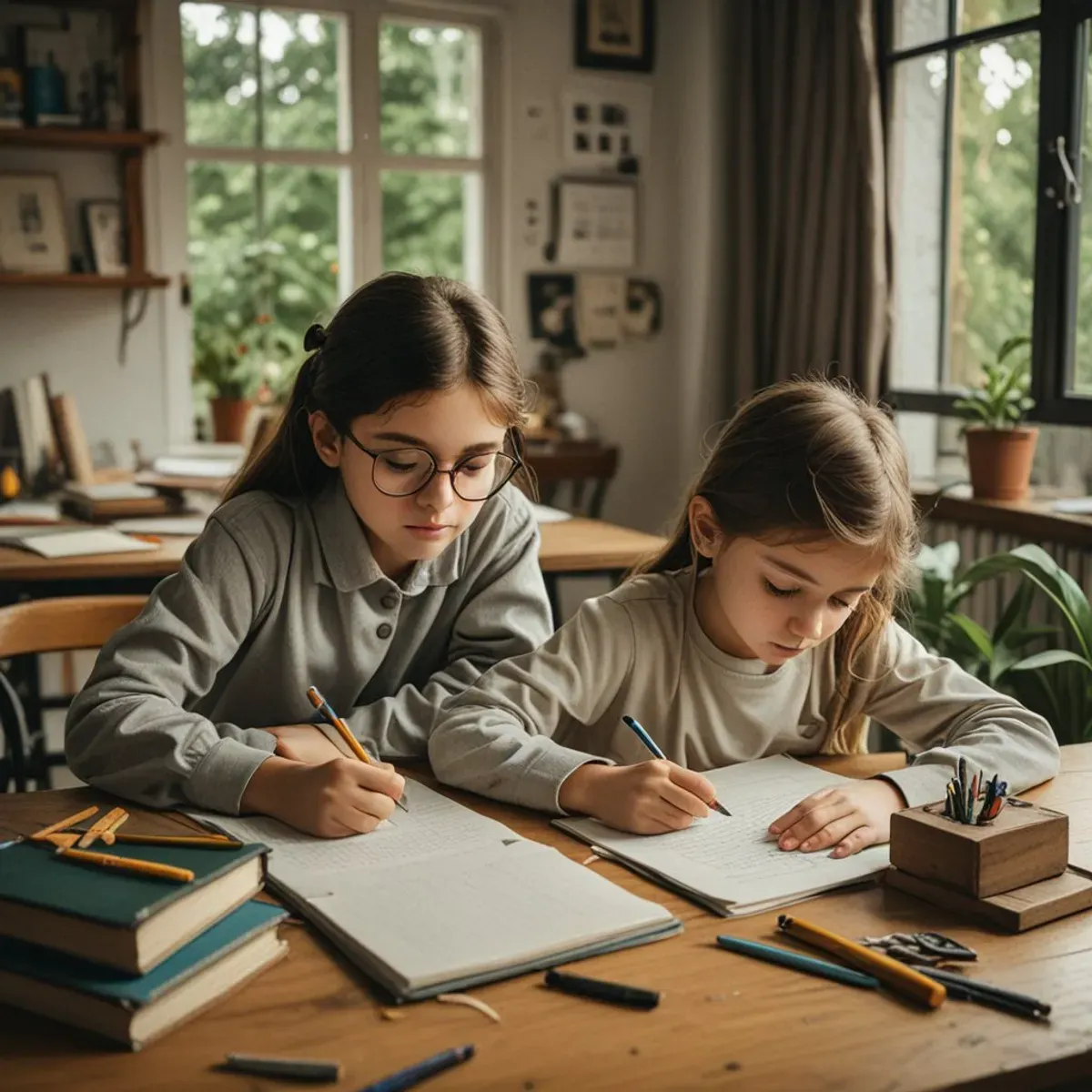
- The day emphasises the importance of engaging in literacy activities as a family to foster lifelong learning.
- Reading together strengthens family bonds, improves vocabulary, and develops empathy in young children.
- Activities range from visiting your local library and writing stories to turning mealtime into a learning opportunity.
- This national family literacy day encourages parents to spend at least 15 minutes a day on literacy.
Introduction
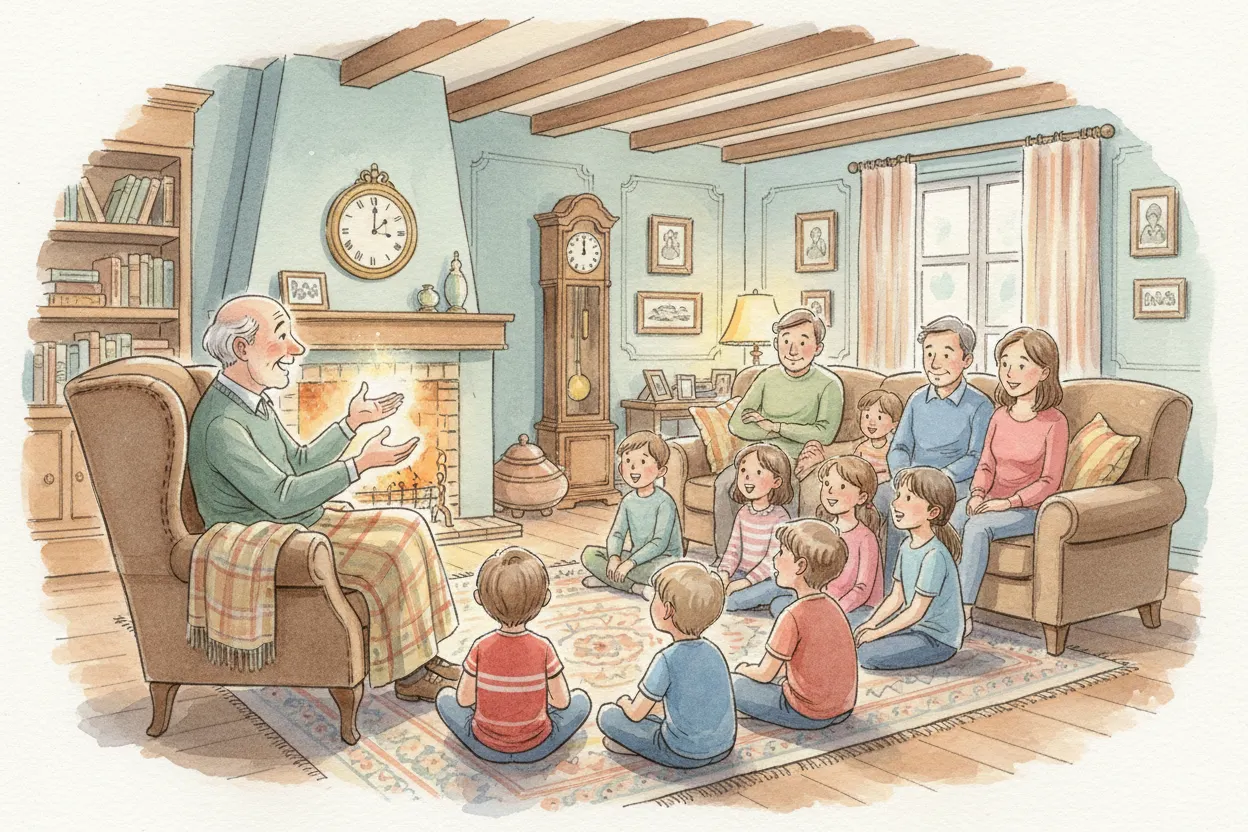
Family Literacy Day is a special Canadian occasion dedicated to celebrating reading and learning together as a family. It's a day that highlights the profound power of words and the joy of sharing stories. Fostering literacy skills from an early age is vital for the early childhood development of young children. This day provides a perfect opportunity to engage in fun, educational literacy activities that build a foundation for lifelong learning and create cherished family memories.
The Meaning and Significance of Family Literacy Day

This national family literacy day is an annual event celebrated across Canada on January 27th. Established by ABC Life Literacy Canada, its primary goal is to raise awareness about the crucial importance of reading and engaging in literacy-related activities as a family. It’s a day to focus on developing children's literacy skills in a fun, shared environment.
The celebration goes beyond just reading; it's about strengthening family connections. By participating in these activities, you create a nurturing space for social and emotional growth, fostering empathy and a commitment to lifelong learning. Let's explore why this day is so important and how reading together benefits your family.
Why Family Literacy Day is Celebrated in Canada
Family Literacy Day is celebrated to shine a spotlight on the value of learning together. ABC Life Literacy Canada initiated this national family literacy day to encourage parents and caregivers to actively participate in their children's educational journey. It reinforces the idea that parents are a child's first and most important teachers.
The celebration serves as a reminder that early exposure to reading and learning activities has a significant impact on a child's future academic success and fosters a positive attitude towards lifelong learning. It's about building stronger family bonds through shared experiences that nurture both cognitive and emotional development.
Ultimately, the day promotes the idea that even 15 minutes of shared reading or a learning activity can make a substantial difference. It encourages families to build habits that extend beyond a single day, creating a home environment where learning, empathy, and communication flourish naturally.

Importance of Reading Together as a Family
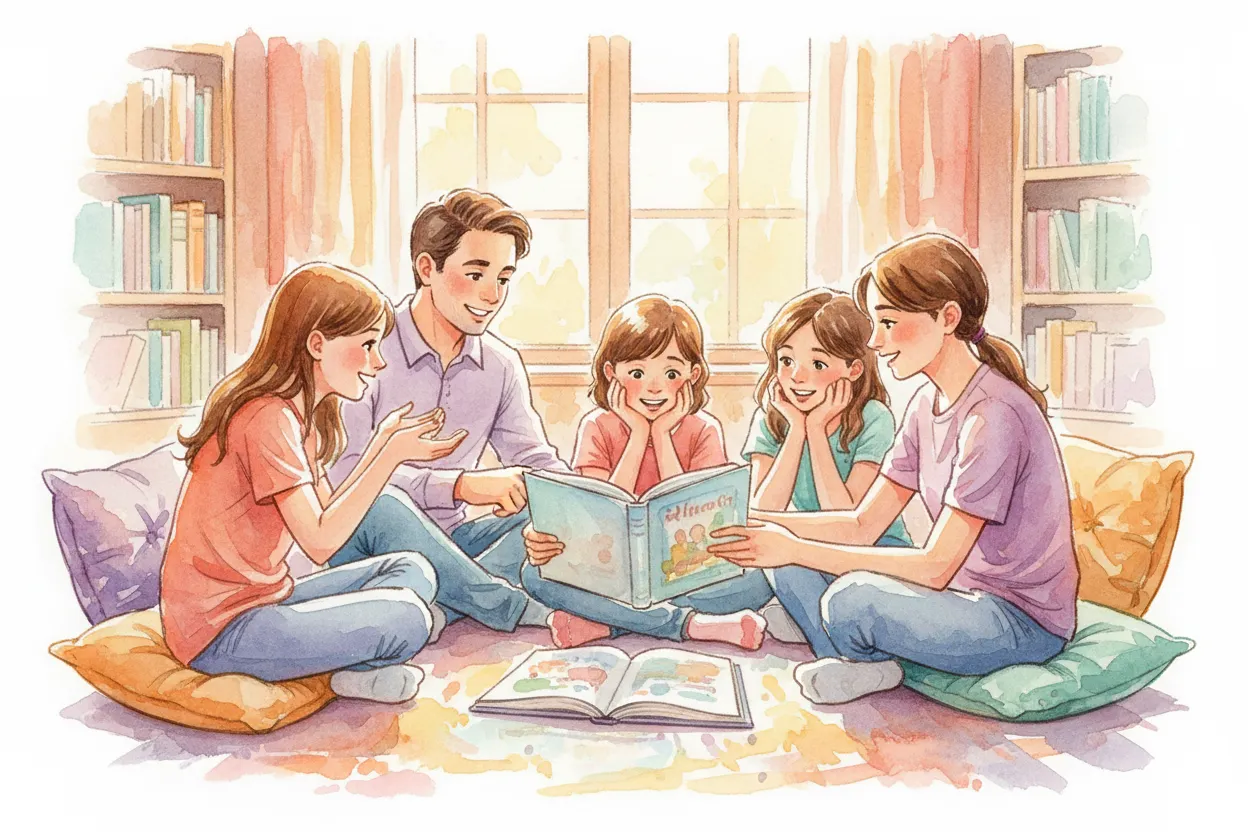
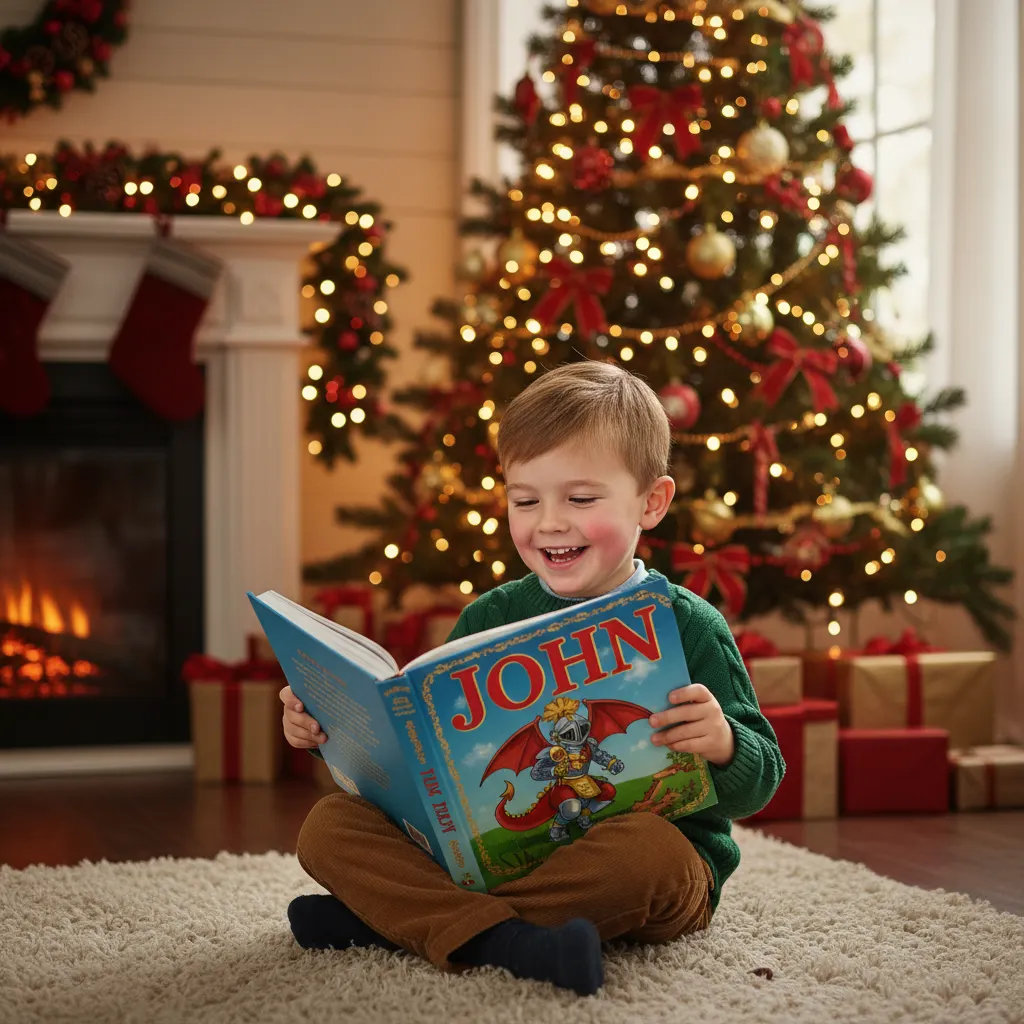
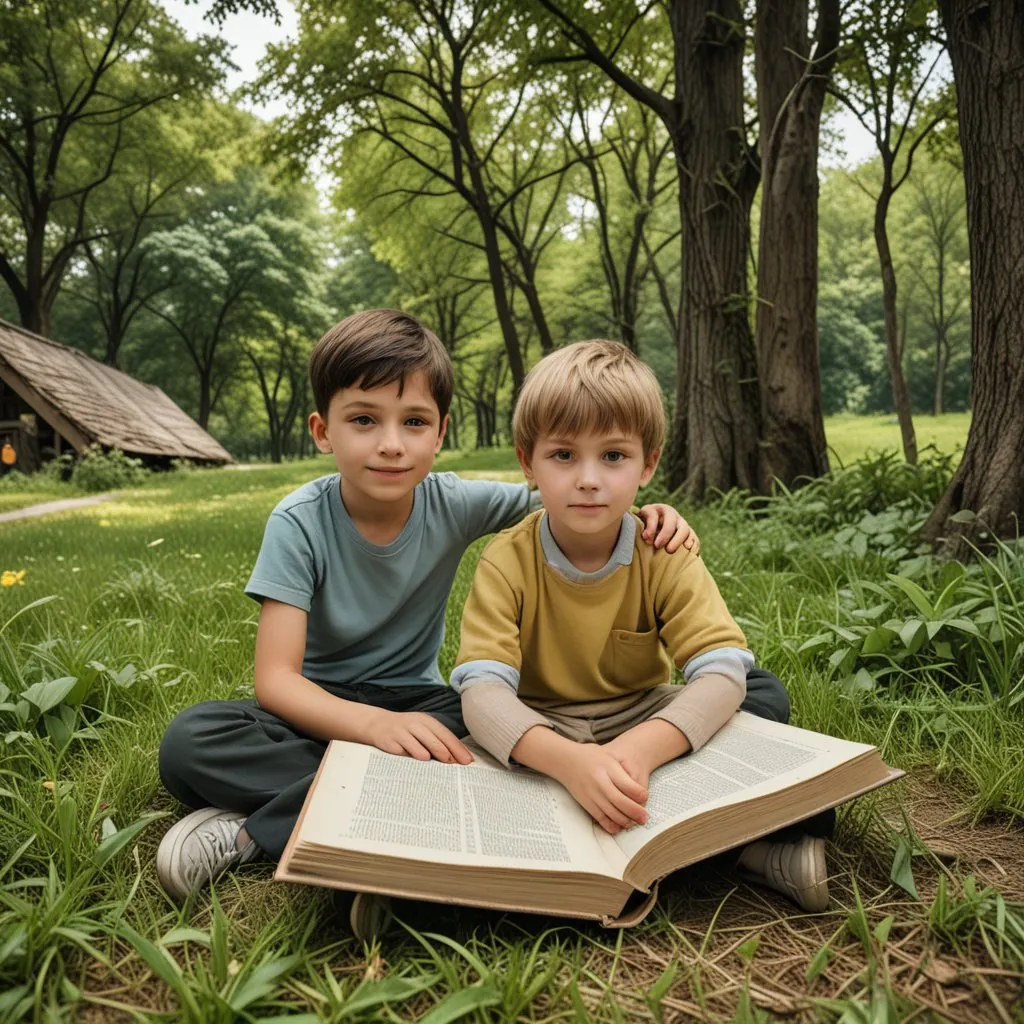
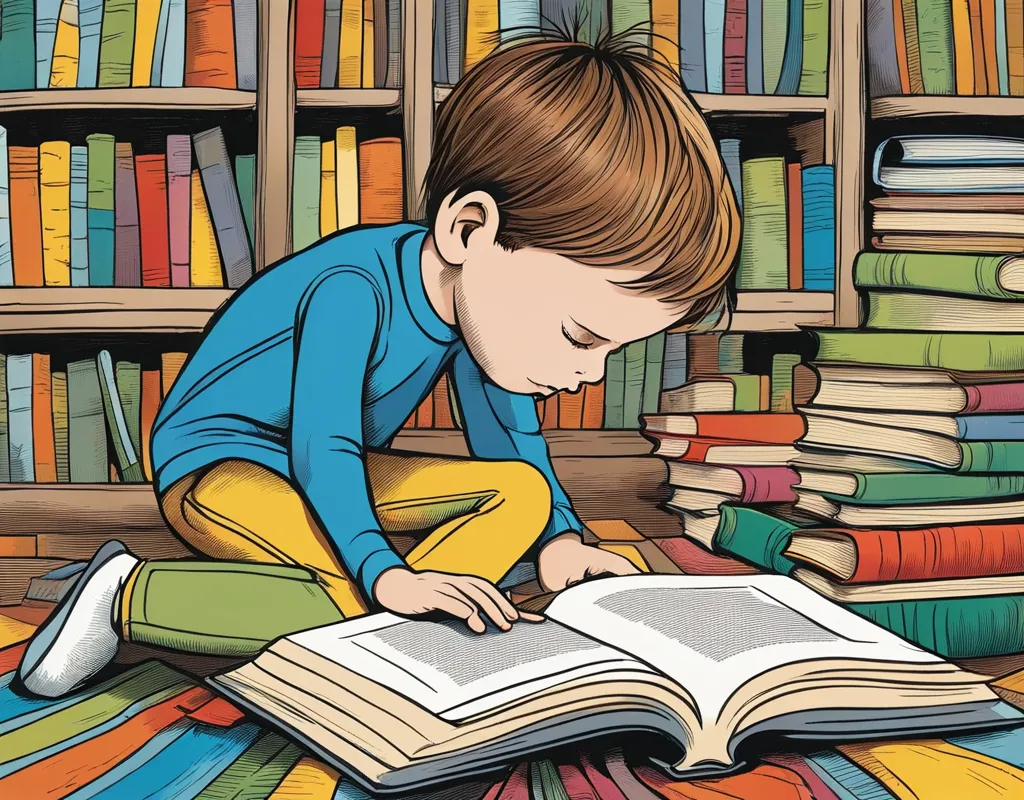
Engaging in literacy activities as a family is incredibly beneficial for early childhood development. When children see their parents enjoying books, they are more likely to develop their own love of reading, turning it into a cherished lifelong habit. It creates positive associations with books and learning.
Shared reading sessions are a fantastic way to expand your child's vocabulary and language abilities. This exposure to new words and concepts improves their communication and comprehension skills, laying a solid foundation for effective expression and critical thinking.
Moreover, reading together does more than just build academic skills.
- Strengthens Family Bonds: It provides an opportunity for quality time, nurturing emotional connections and creating a special bonding experience.
- Enhances Cognitive Development: Discussing stories encourages problem-solving and creativity, stimulating key executive function skills.
- Fosters Empathy: Exploring different characters and situations helps children understand diverse perspectives and develop empathy.
Family Literacy Day 2026: Theme and Upcoming Events

As the annual event approaches, excitement builds for Family Literacy Day 2026. Each year, a unique theme guides the celebrations, offering a fresh focus for families and communities. The year’s theme often inspires a wide array of activities, from local library events to virtual sessions that sometimes include celebrity appearances.
This upcoming celebration encourages families to explore literacy in new and exciting ways. By focusing on a central idea, the event provides a cohesive and engaging experience for everyone involved. Let's look at the specific theme for 2026 and how you can participate in the planned activities.
Discover the Theme for Family Literacy Day 2026
The year’s theme for Family Literacy Day 2026 is "Flavours of Home." This engaging theme invites families to transform mealtime into a fun, flavourful learning adventure. It highlights the many literacy opportunities that can be found in the kitchen and around the dining table, connecting food, family, and learning.
This theme, supported by ABC Life Literacy Canada, encourages you to use everyday activities to build skills. From following recipes and writing shopping lists to sharing family stories while you eat, the kitchen becomes a classroom. It’s a wonderful way to blend practical skills with the joy of reading and communication.
"Flavours of Home" is about more than just cooking; it’s about connection. The theme encourages families to share cherished recipes, which become stories in themselves, preserving generational learning legacies and celebrating cultural heritage through food and words.
How to Take Part in Family Literacy Day 2026 Activities
Participating in Family Literacy Day 2026 is easy and rewarding. Many local libraries and community centres will host events aligned with the "Flavours of Home" theme. Look out for registered storytime sessions, which may feature author or celebrity appearances, and drop-in family feasts where you can sample local treats.
You can also get involved from home by organising your own literacy activities. Collaborate on a family recipe book, start a cooking-themed book club, or hold a storytelling session where everyone shares a food-related memory. These simple activities bring the theme to life in a personal way.
Furthermore, many community events incorporate giving back. Consider participating in or organising book drives to donate gently used books to schools or charities. Some events also collect non-perishable food items for local food banks, connecting the theme directly to community support and teaching children the value of empathy.
Creative Family Literacy Day Ideas for All Ages
There are countless creative literacy activities you can enjoy as a family. The goal is to make learning fun and interactive, no matter the age of your children. You can act out scenes from a favorite story, create custom bookmarks for your books, or even write a new ending to a classic tale.
These activities don't have to be complicated. Simple ideas, such as turning mealtime into a storytelling session or having a family reading challenge, are effective ways to promote literacy. Let's explore some specific ideas for young children and how to use mealtime for learning.
Fun At-Home Activities For Young Children
Making literacy activities enjoyable for young children is key to fostering a love of reading. A fun way to start is by creating a cozy reading nook filled with pillows and their favourite books. This dedicated space makes reading feel like a special treat.
You can also bring stories to life through hands-on play. After reading a favorite story, engage your child with related sensory play activities. This approach helps reinforce narrative skills and makes comprehension more tangible and exciting. Using activity sheets with puzzles or drawing prompts related to the story also works well.
For more interactive fun, try these preschool learning activities:
- Storytelling Circle: Each person adds one sentence to create a collaborative family story.
- Character Crafts: Use simple craft supplies to make puppets or models of characters from a book.
- Act It Out: Encourage role-playing scenes from a story to support imaginative play.
- Book-Based Scavenger Hunt: Hide books around the house and create simple clues for your child to follow.
Making Mealtime a Learning Opportunity with Books
Mealtime offers a perfect, built-in opportunity to blend literacy with daily routines. A fun way to start is by connecting food to books. Choose a cookbook and follow a recipe together, discussing measurements and instructions as you go. This is a practical application of reading comprehension and numeracy.
You can also read a story that features a particular dish and then make that dish as a family. This creates a multi-sensory learning experience, linking the narrative to the tastes and smells of the food. It's a tasty method to connect reading with real-life activities and strengthen family bonds.
Here are a few more ideas to make mealtime a learning moment:
- Share Stories: Use dinner as a time for each family member to share a story from their day, promoting oral language skills.
- Recipe Writing: Have your children help write the shopping list or even create a simple recipe card.
- Discuss Food Origins: Talk about where ingredients come from, which can lead to reading books about farming or different cultures, fostering empathy and global awareness.
Engaging With Community and Schools on Family Literacy Day
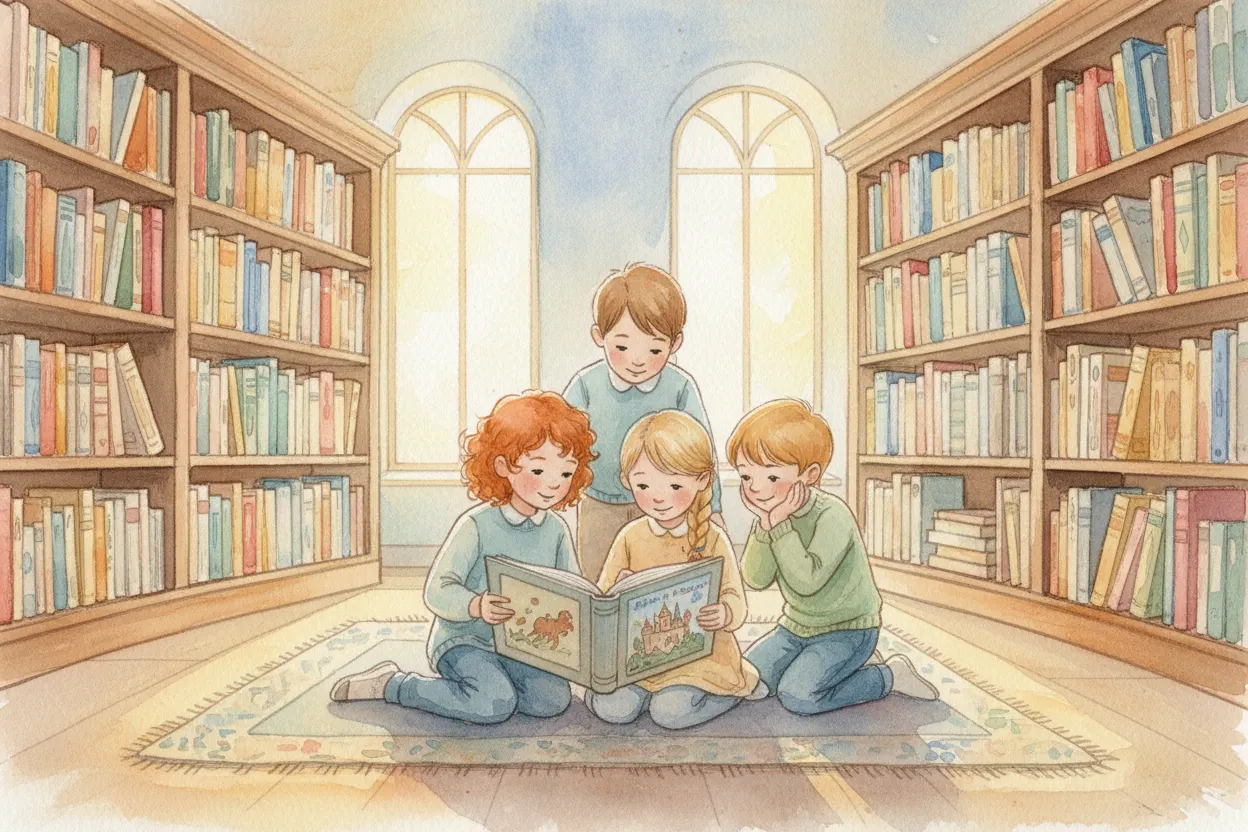
Family Literacy Day is not just for home; it's a chance to connect with your wider community. Your local library is an excellent starting point, often hosting special events, workshops, and story sessions. Schools also play a vital role, encouraging students and their families to participate in reading challenges and related activities.
Engaging beyond your front door can amplify the celebration. Participating in community fairs or organising book drives helps spread the message of literacy's importance while building community spirit. Let's look at how you can help organise local events.
Organising Community Fairs and Local Events
Organising community fairs for Family Literacy Day is a fantastic way to bring people together. Start by partnering with a central hub like your local library, a school, or a community centre. These places often have the space and resources to support such an event. Form a small committee to divide tasks and brainstorm ideas.
Plan a variety of engaging stations to attract families with children of different ages. You could have a craft corner for making bookmarks, a story-reading stage, and a station for a family story-writing activity. Promoting the event through local channels is key to ensuring a good turnout.
Incorporate elements of giving back, such as book drives for local charities or collecting food for a food bank. This adds a layer of meaning to the fair and teaches children about community involvement.
Activity Idea

Family Literacy Books to Share and Enjoy Together
Choosing the right books is central to celebrating Family Literacy Day. The perfect book can spark imagination, introduce new vocabulary, and open up meaningful conversations. Whether it's revisiting a favorite story or discovering a new one, the act of sharing a book is what matters most.
From vibrant picture books for preschoolers to engaging Canadian literature for the whole family, there is something for everyone. Let’s explore some recommendations to help you find the perfect reads for your family. Happy reading!
Recommendations for Family Literacy Books Suitable for Preschoolers
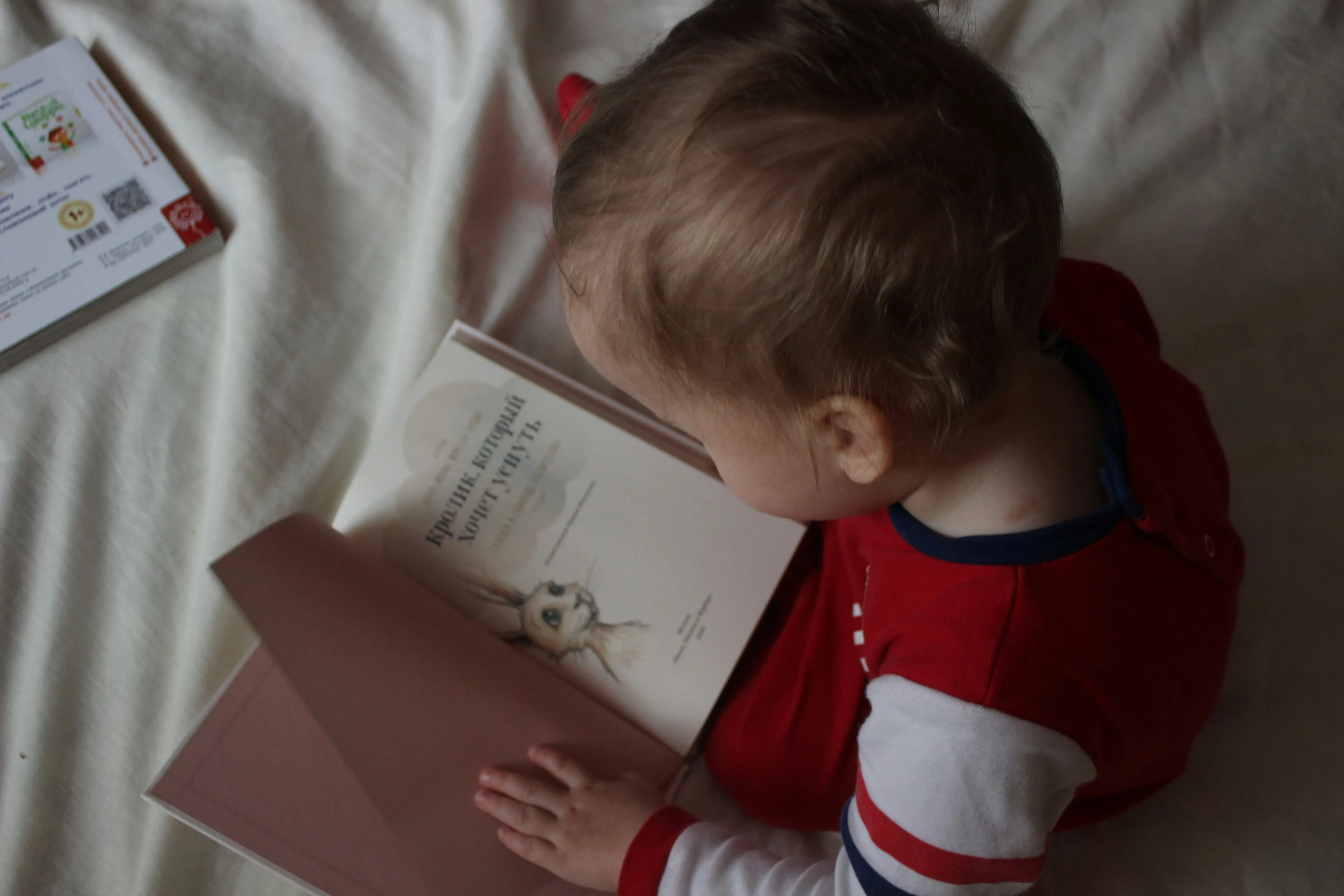
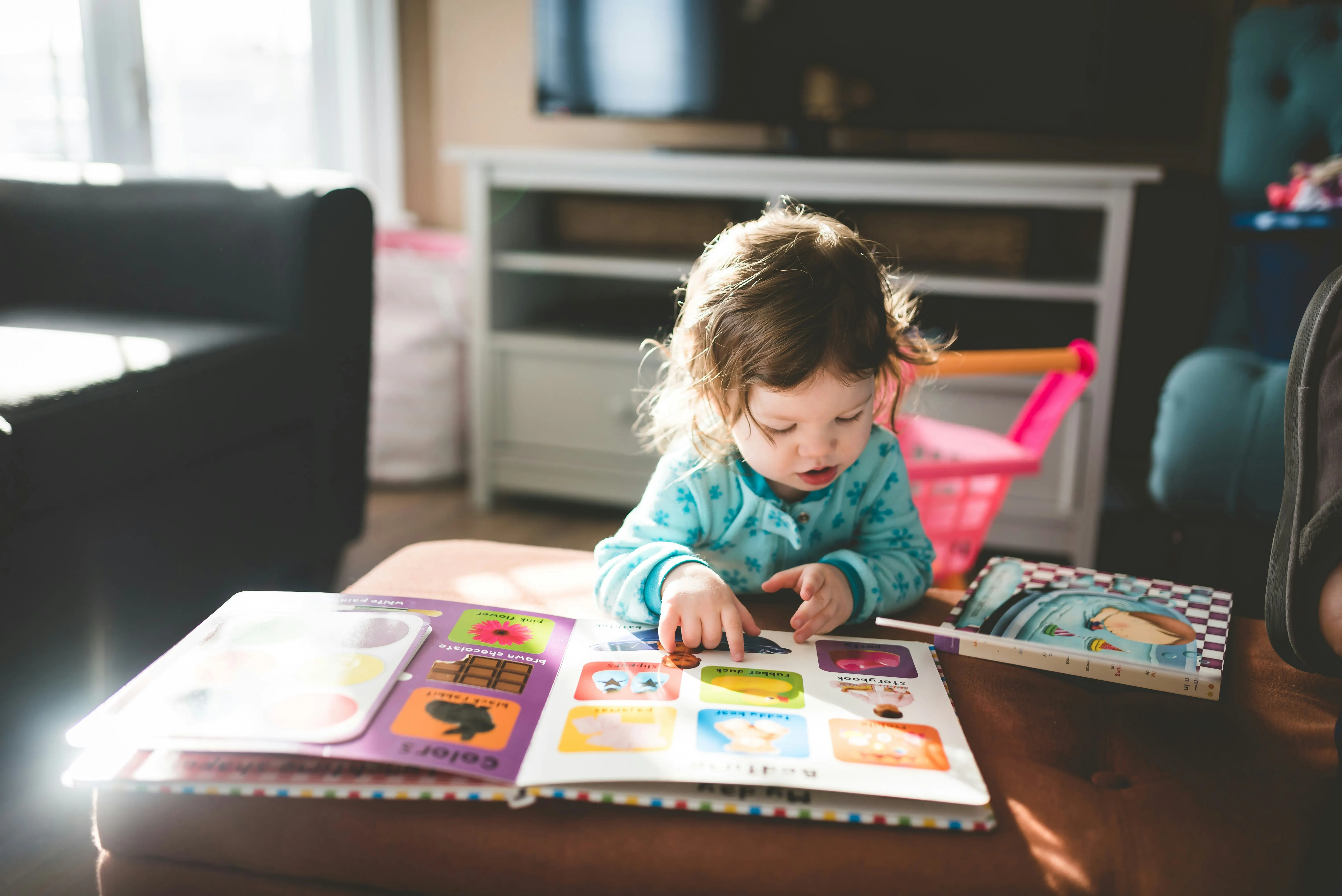
When selecting family literacy books for preschoolers, look for titles with bright illustrations, repetitive text, and engaging plots. These features help hold a young child's attention and support early literacy skills. Nursery rhymes are also excellent, as their rhythm and rhyme are beneficial for language development in toddlers.
Books that encourage interaction are particularly effective. Think of lift-the-flap books or those with different textures to touch. These elements turn reading into a hands-on, sensory play activity, making it more memorable and fun for little learners. Discussing the pictures is a simple activity that builds vocabulary.
Here are a few types of books that are great for preschoolers:
- "The Only Way to Make Bread" by Cristina Quintero: Connects to themes of food and family, perfect for the 2026 theme.
- Classic Picture Books: Stories with clear narratives and relatable characters help children understand story structure and emotions.
- Interactive Books: These books prompt children to participate, which is great for building fine motor skills and keeping them engaged.
Exploring Canadian Literature with Your Family
Exploring Canadian literature is a wonderful way to celebrate Family Literacy Day. These stories often reflect the diverse landscapes, cultures, and experiences of Canada, offering a unique opportunity for families to connect with their national identity. Sharing these narratives is a fun activity for the whole family.
Many Canadian children's authors, like Robert Munsch, are masters of storytelling that resonates with both children and adults. Their books are filled with humour, heart, and relatable situations, making them perfect for reading aloud. This shared experience can spark great conversations and build a richer family vocabulary.
Here are some ways to explore Canadian literature together:
- Visit a Library: Ask your librarian to recommend age-appropriate Canadian authors.
- Author Study: Pick an author and read several of their books, discussing their unique style and themes.
- Connect to Place: If a story is set in a real Canadian location, look it up on a map and learn more about it together, fostering empathy and a sense of connection.
Support and Resources for Families and Educators
Families and educators are not alone in celebrating Family Literacy Day. Organisations like ABC Life Literacy Canada provide a wealth of support and resources to help everyone get involved. They offer materials aligned with the year’s theme, including tips, ideas, and sometimes activity sheets.
These resources are designed to make participation easy and meaningful for both teachers in the classroom and families at home. Let's look at what's available for educators and how families with young children can make the most of the day.
Resources for Teachers to Celebrate Family Literacy Day
Teachers can find valuable resources to bring Family Literacy Day into the classroom. ABC Life Literacy Canada is a primary source, offering materials specifically designed for educators. These often include lesson plan ideas and activity sheets that align with the annual theme.
Incorporating the celebration into your school day can be simple. You could dedicate time for students to read with an older or younger buddy class, or send home a challenge for families to read together for 15 minutes. This helps bridge the gap between school and home learning.
Here are some resources and ideas for teachers:
- Event Kits: Check the official ABC Life Literacy Canada website for event kits that may include posters and planning guides.
- Classroom Activities: Organise a bookmark-making session or have students write and illustrate their own short stories.
- Guest Readers: Invite parents or community members to come in and read a story to the class, modelling a love of reading.
Ways for Families With Young Children to Participate
For families with young children, participation is all about making literacy fun and accessible. You don't need elaborate plans; simple, playful literacy activities are often the most effective. The key is to create positive and joyful experiences around books and stories.
Start by integrating reading into your daily toddler routines. A story before bedtime or a song during playtime are easy ways to build foundational skills. Visiting the local library to pick out new books together can also be an exciting adventure for little ones.
Here are a few simple ways for families to get involved:
- Family Storytime: Cuddle up and take turns reading pages from a picture book.
- Sing-Along: Use nursery rhymes and songs to play with words and sounds.
- Go on a "Word Hunt": Look for letters and words on signs during a walk or trip to the grocery store. It's a great way to make learning part of everyday life.
Related Articles
Reading Together: Creating a Literature-Rich Environment for Early Cognitive Development
Understanding Your Child's Early Development: A Science-Based Guide for Parents
Beyond Books: Creative Ways to Build Literacy Skills at Home
The Gift of Reading: Starting a Family Book Exchange Tradition
Conclusion
In conclusion, Family Literacy Day serves as a powerful reminder of the importance of reading together as a family. By engaging in shared reading experiences, families not only strengthen their bonds but also promote literacy and a love for books that can last a lifetime. Activities such as community fairs and themed events create opportunities for families to connect with each other and reinforce the significance of literacy. As we look forward to the events of Family Literacy Day 2026, let us embrace the joy of reading and explore diverse literature that caters to all ages. By making reading a central part of family life, we cultivate curiosity and learning, paving the way for future generations.
Frequently Asked Questions:
How can families with young children participate in Family Literacy Day?
Families with young children can participate by making literacy activities fun and playful. Try creating a cozy reading corner, singing nursery rhymes, telling stories, or visiting the library. These simple, engaging practices help foster a love of reading and support lifelong learning from an early age.
Are there any Family Literacy Day events planned for 2026?
Yes, Family Literacy Day is an annual event held on January 27th. For 2026, events will centre on the year’s theme, "Flavours of Home." Check with your local library and the ABC Life Literacy Canada website for specific activities, storytimes, and community celebrations planned for the day.
Can you suggest easy literacy activities for preschoolers for Family Literacy Day?
For preschoolers, focus on hands-on activities. You can create bookmarks together, act out a favourite story, or go on a letter hunt around the house. Using interactive books or simple activity sheets with drawing prompts is also a great way to build vocabulary and make learning fun.
Reference:
https://en.wikipedia.org/wiki/Family_literacy
https://en.wikipedia.org/wiki/Literacy
https://en.wikipedia.org/wiki/Early_childhood_education
https://en.wikipedia.org/wiki/Reading_(process)
https://en.wikipedia.org/wiki/Parental_involvement
https://en.wikipedia.org/wiki/Child_development
https://en.wikipedia.org/wiki/Language_development
https://en.wikipedia.org/wiki/Early_childhood_development
https://abclifeliteracy.ca/family-literacy-day/
https://www.britannica.com/topic/literacy
https://www.britannica.com/topic/early-childhood-education

Written with Augmented Intelligence and SHiNER The Human