Read Aloud to Infants: Boost Their Early Brain Growth
Read Aloud to Infants: Boost Their Early Brain Growth
Jan 06, 2026
Key Highlights
- Reading aloud to infants is a fantastic way to boost early brain development, setting the stage for language and literacy skills.
- Incorporating reading time into daily routines helps children build the habit of reading and strengthens parent-child attachment.
- High-quality children’s books, like board books with bright colors and familiar shapes, enhance vocabulary and keep young children engaged.
- Early exposure to language promotes emotional development through interactive and responsive communication.
- Pediatric experts highlight that regular story time is a key element in fostering child development in their first year of life.
Watch on Youtube!
Introduction
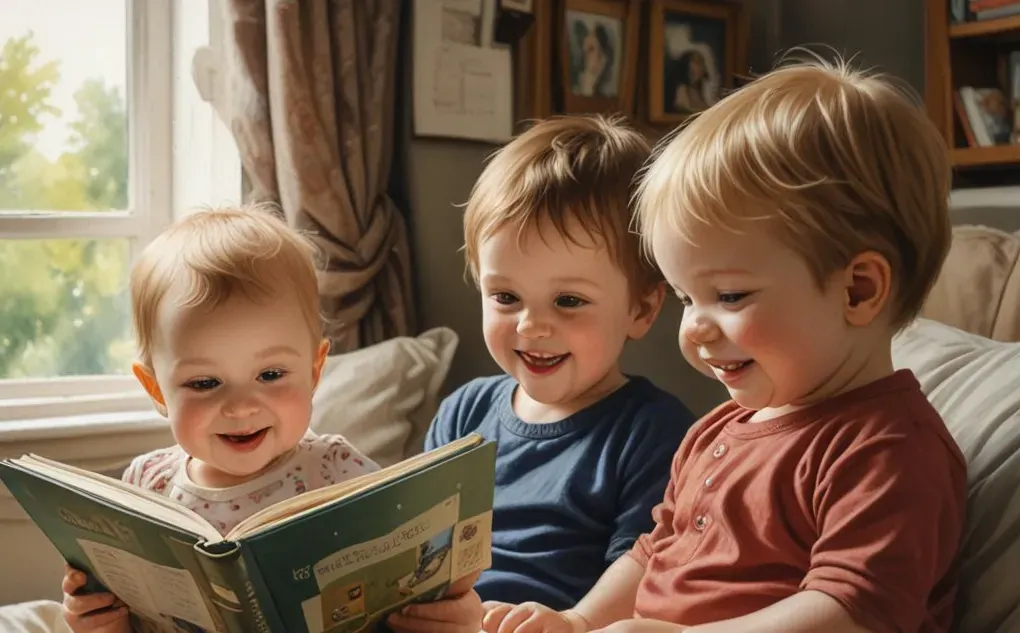
Reading aloud to infants is more than just a sweet way to bond with your child. It helps their brain grow and builds early literacy skills. Young children get a lot from hearing new words, the sound of your voice, and the rhythm of sentences. These simple things help set the groundwork for learning a language. When you read with your children often, you help them feel safe, build their vocabulary, and spark their interest in stories. Books become doors to new worlds. Every time you read, you can help your child fall in love with learning and feel even closer to you. Now, let’s look at the science and the best ways to use this impactful habit.
The Science Behind Reading Aloud to Infants

Reading to newborns may seem easy, but the science behind it is powerful. When you read aloud, your baby’s brain takes in sounds, tones, and the way you show feelings when you say words. This helps build brain connections needed for early language development. Your child starts to pick up important literacy skills, even before they can talk.
Reading also helps your baby feel safe and close to you. Simple things, like showing them illustrations or copying the sounds together, help you and your baby feel more connected. These moments give support for both their mind and feelings, helping newborns reach big milestones as they grow. Reading sets the stage for strong literacy skills and language development right from the start.
How Early Exposure to Language Shapes the Brain
From birth, your baby’s brain is ready to pick up language from the sounds around them. Being around a lot of speech does not just help your baby hear words; it starts the pathways in the brain that help with strong language skills. When you read out loud, your baby listens to the rhythm and structure of your words. They hear how new words fit with others in a sentence. This helps with language and literacy development.
Books help to connect what your baby thinks with what they feel. When you read, your baby feels comforted by your voice. At the same time, they see the same patterns and look at the pictures in the book. This link between words and illustrations helps make meaning clear and helps memory get stronger.
The good effects of reading aloud do much more than help with language development. Reading books together again and again helps your baby’s brain in many ways. It makes the parts that help with thinking, learning, and social interaction stronger. The earlier your child learns new vocabulary from books, the more likely they are to get good at literacy skills in preschool and later in life.

Cognitive and Emotional Benefits for Canadian Babies
For Canadian parents, having regular reading time with children helps them grow, both in how they feel and how they think. Introducing children’s books early helps with emotional development. It connects words to what children feel. For example, when reading with your baby, they try to match your face. If you smile, they will smile. If you frown, they also may frown. This is how babies start to build an emotional foundation that will stay with them through their early years.
Children’s books do more than just teach vocabulary. They help children get curious and support their growing minds. The bright colors, repeated questions, and easy-to-understand pictures in these books lead babies to want to learn about the world. Sharing a story time, while cuddling, helps the bond between parent and child grow. It makes your child feel positive and safe in those moments.
Reading time also helps infants get used to words and how sentences work. This kind of early engagement with literacy gives children connections that will make learning easier for the rest of their lives. Regular story time helps support not just literacy development, but also your child’s strong, lifelong learning skills. Reading together is not just something you do each day—it is one of the best ways you can help your child grow.
When and How to Start Reading Aloud
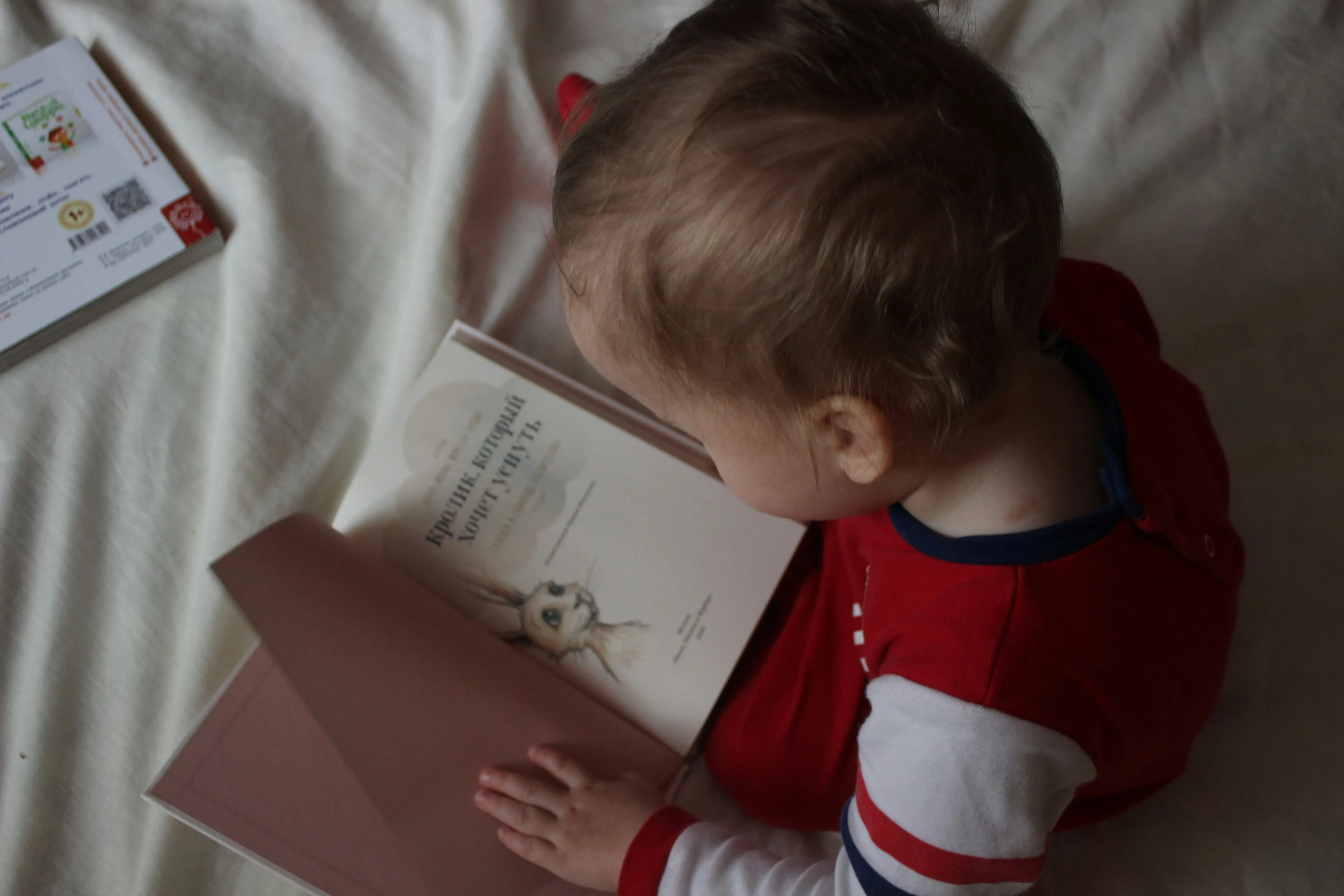
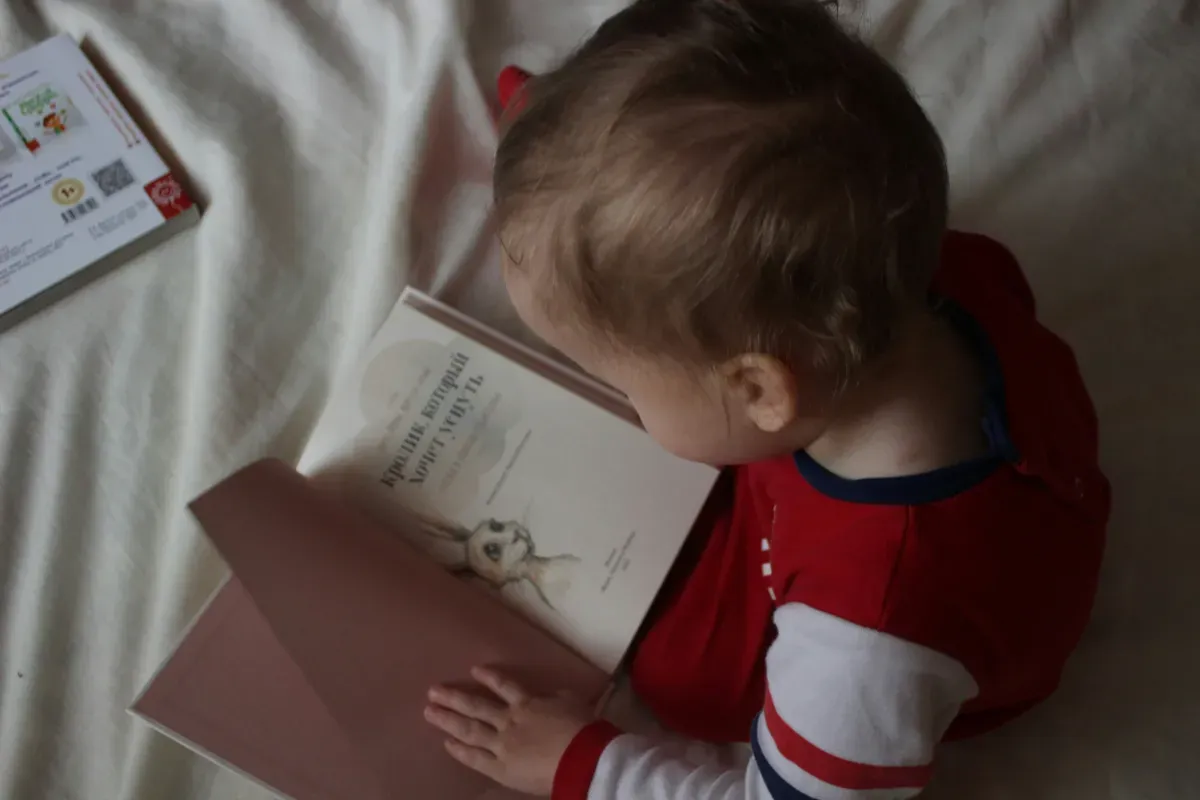
There is no wrong time to start the habit of reading to your baby. But it is good to start early, even when your baby is very small. Starting in infancy gives undeniable benefits for your child’s growth. Even a short reading time each day, like before bedtime, can help set up strong reading and literacy habits that last for years.
The best way to begin is to make reading a part of your daily routine in a way that fits your family. Pick simple and strong children’s books that get your baby's attention, but do not confuse them. Doing this not only builds your child’s love of stories and learning, but also helps bond between you and your baby. Story time at bedtime and other times in the day will make reading fun and help kids do well as they grow.
Why Birth Is the Perfect Time to Begin
Starting to read with your baby from birth can be one of the best ways to help with brain development. Newborns like repetition and rhythm. These moments help to set up the groundwork for how language works. Many pediatricians say that reading early is important. They point out that the first year has a lot of brain growth.
Reading is not just for learning. It also helps to build strong and lasting connections between you and your baby. They learn to link your calm voice and how you sound to safety and warmth. This makes books something they enjoy and look forward to. These moments also help babies with their emotional growth.
When you include story time in their early years, you start good habits. Your child will want to learn and ask questions as they get older. Simple and fun books work best. These books help babies hit language goals faster and teach them to love reading for life. This love for books is important to have in their first year and can last as they grow.
Making Reading Part of Your Daily Routine
Embedding book-sharing in your day helps build the habit of reading. It also brings you closer to your baby. You can do this easily. Set reading time right before nap or bedtime. These calm moments become special for young kids.
- Make a warm and quiet reading corner. Have board books ready to pick up and read.
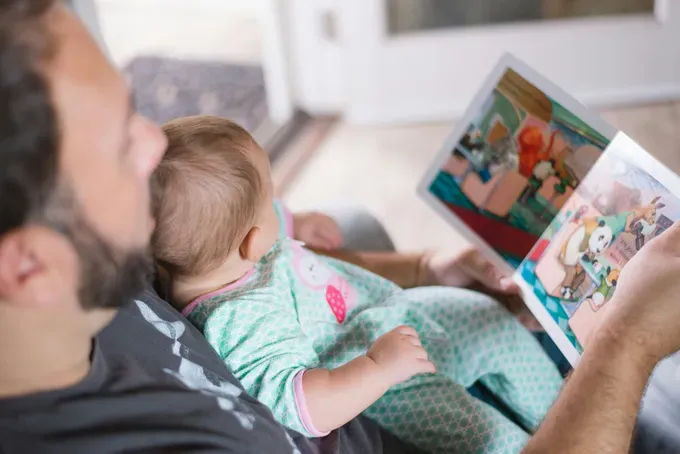
- Use reading time to cuddle with your child. Being close helps with bonding and boosts their emotional development.
- Be steady with your routine. A story at bedtime tells your child that it is time to rest and helps them calm down after a busy day.
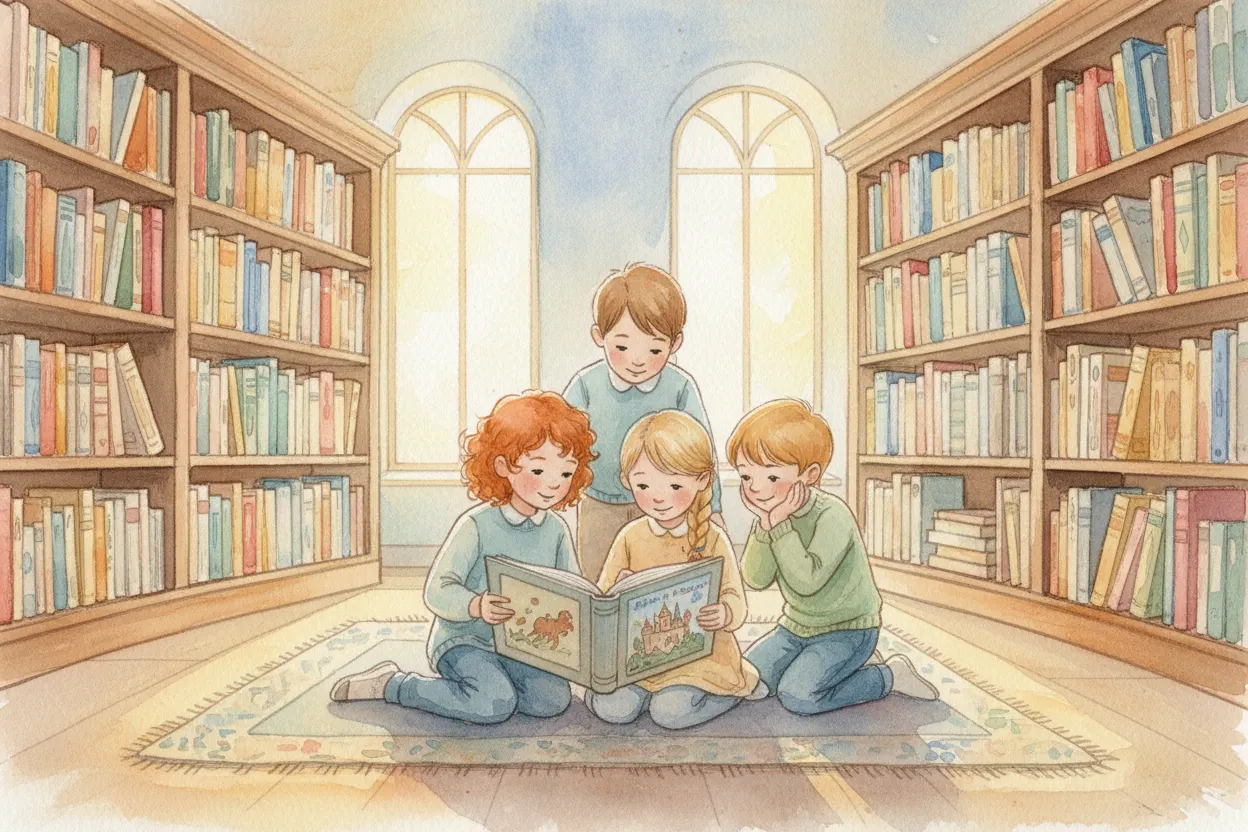
- Bring books when you go out. In places like the library or supermarket, you can read the words you see on signs or packages.
Reading routines help with strong emotional growth and better literacy skills. Even if the time feels a little, it is important. This is how you set young kids up to reach new learning goals and grow their habit of reading over the years.
Creating a Positive Read-Aloud Environment

Setting up the right area for story time can mean a lot for you and your young kids. Pick a calm place that is cozy and free from noise. A space like this helps your little one not get distracted and to focus on your voice and face. The right setting can help brain development in them.
Reading with young kids is about more than just words. The tone of your voice, the way you copy faces, and making eye contact help them get involved. When you read in a warm and personal way, you make your child feel confident. Each story time gives young kids a chance to bond, learn, and grow.
Choosing a Cozy and Calm Setting
Infants do best in places that feel safe and calm. Choose a gentle spot for young children. You want a space with no loud noise or distractions. In this way, kids can look at, listen to, and take in new sounds without interruption. This helps their literacy grow and makes learning easier.
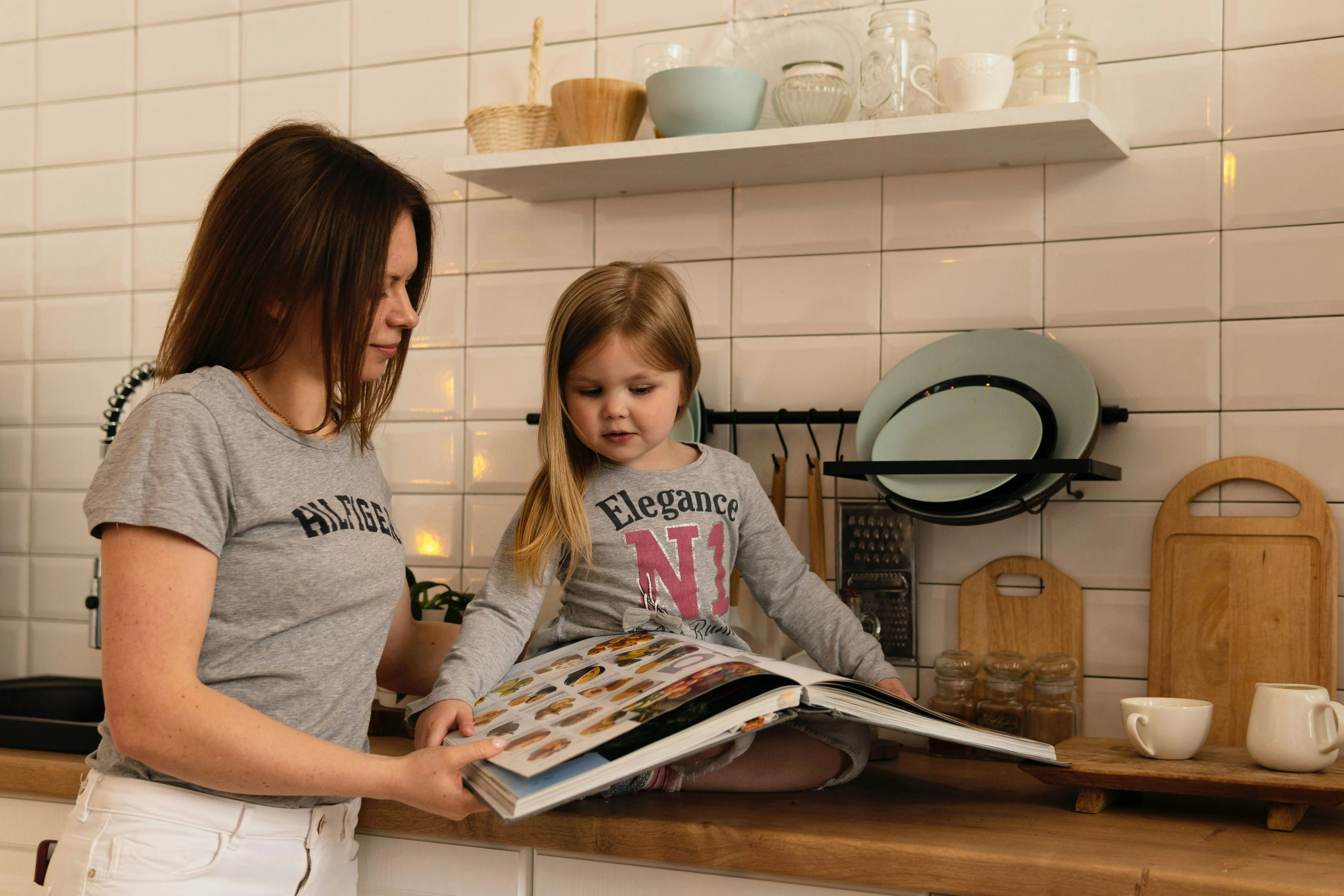
A peaceful space does not have to be stiff or fancy. You might sit on a soft sofa with bright pillows, or use a rocking chair. These are good places for story time. The closeness you give at reading time is important. It helps young children feel safe and builds a strong bond. Being near each other during reading also helps kids focus.
Think about how you set up the reading area. Fill the spot with picture books and children’s books. Pick the ones filled with fun illustrations. To keep your child interested, change the books often. Try new stories at story time, so their curiosity stays strong. Try new books or switch them around. This way, young children find reading time more fun and learn more about language.
Using Voice, Expression, and Eye Contact
Getting young children involved during reading time takes more than just saying the words. It is about giving them a full experience they can see, hear, and feel. When you change the tone of your voice and show different expressions, you help their emotional development. This helps them feel a strong connection to the story. Looking them in the eyes is also very important, as it helps them know they have your full attention.
You can use things like nursery rhymes, rhymes, or playful sounds—like saying “la la la.” This helps grow language skills and builds a good feeling around reading. When you make reading fun in the early years, you help them build the habit of reading for life. It is a great way to bring people closer and support them as they learn.
Selecting the Best Books for Infants in Canada
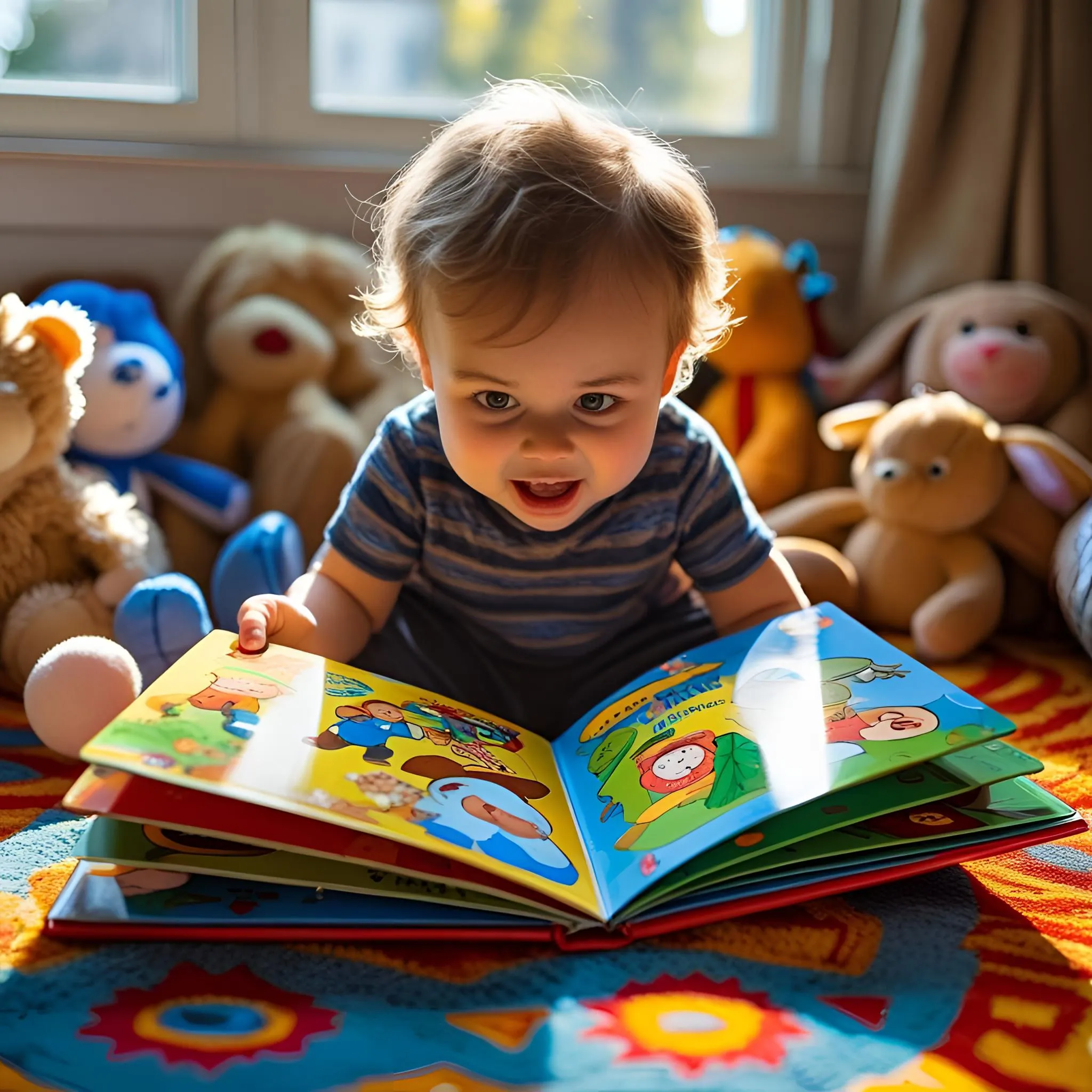
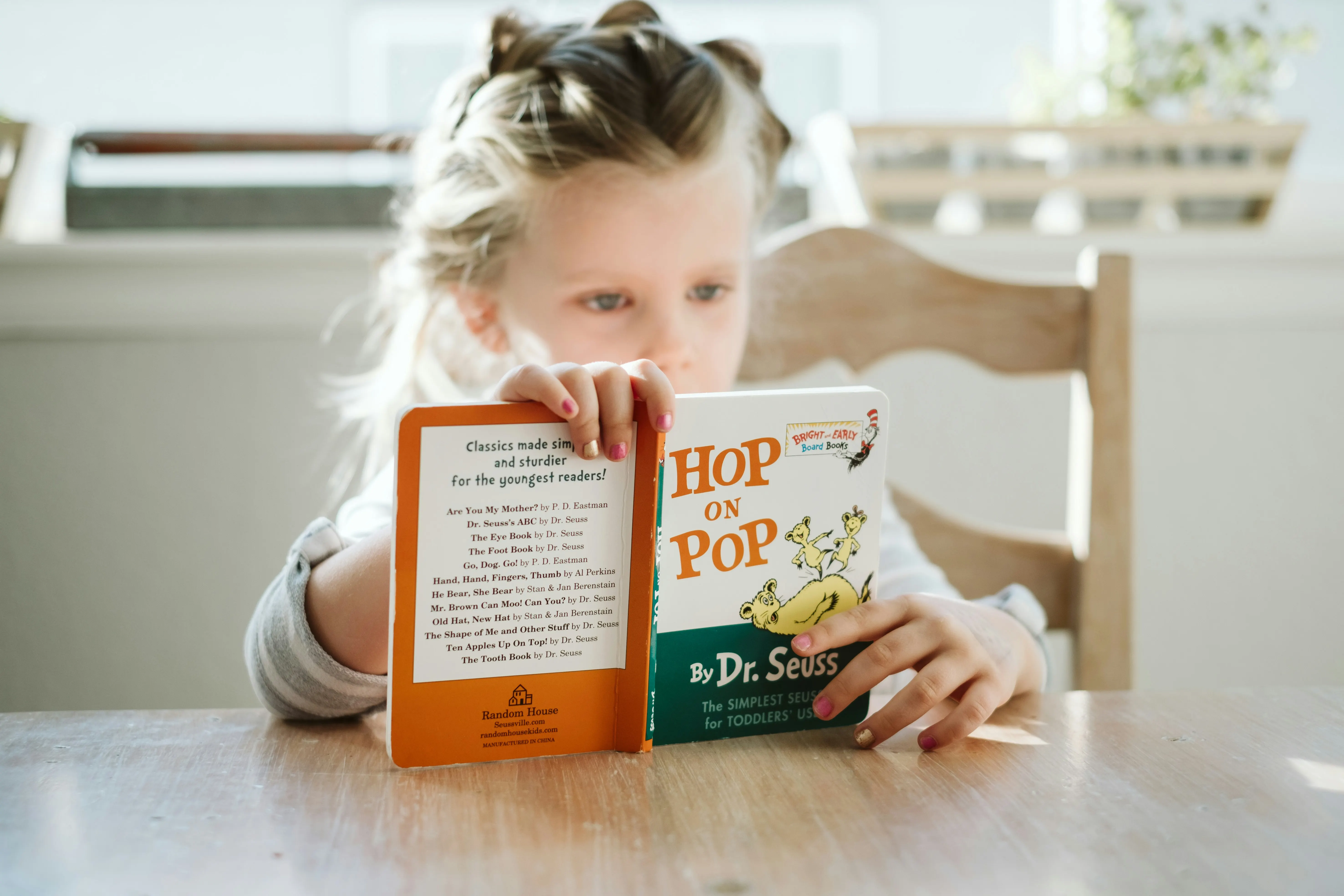
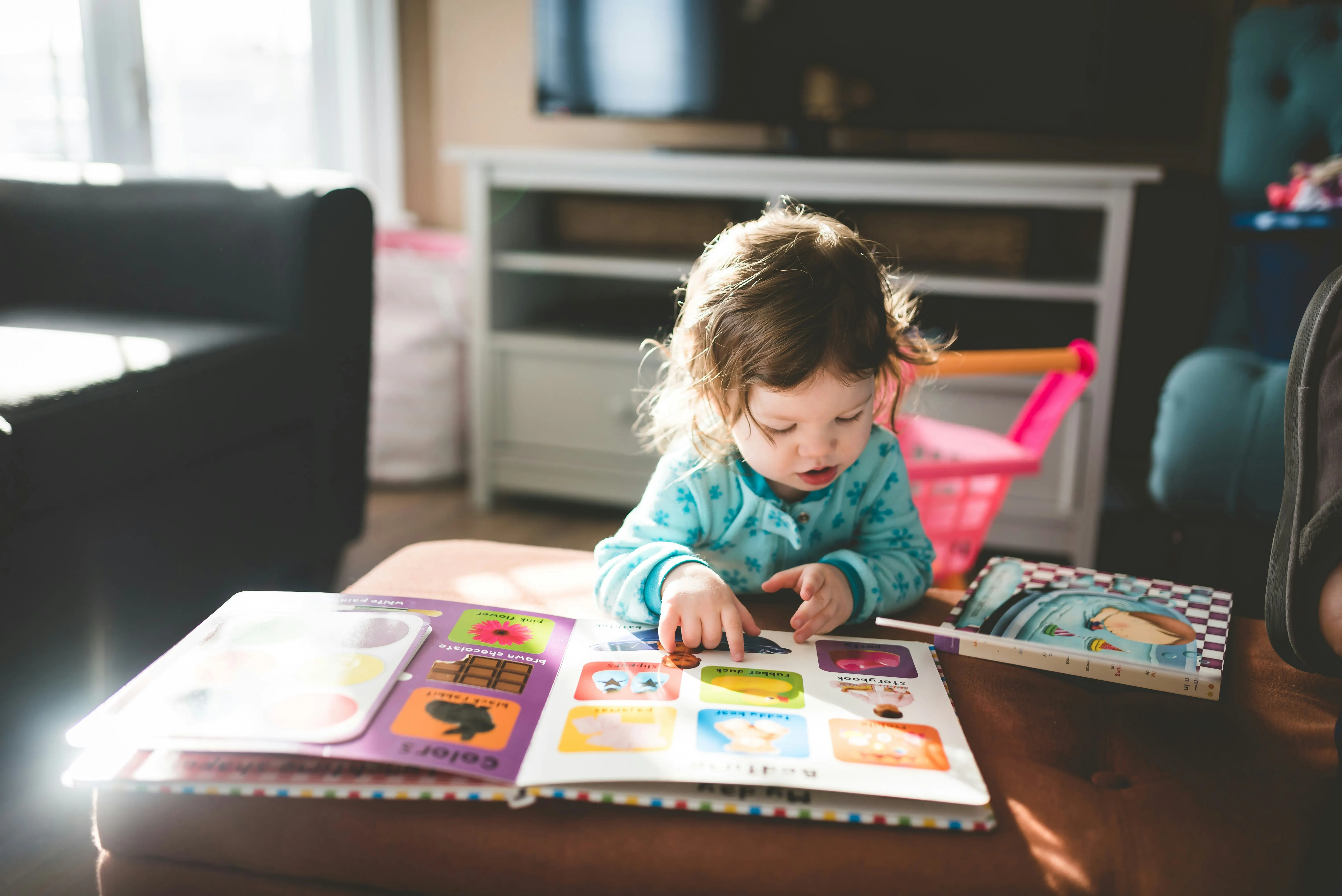
Picking the right board books for young children helps to build strong early literacy skills. You should look for books that have bright colors and fun illustrations. These books catch the eyes of infants and keep them interested. Books with different textures or things to touch, along with sound effects, help young children be a part of the story. This kind of reading is fun and helps with language development. Lots of Canadian authors write stories that start conversations about culture and share simple life lessons. Reading with young children every day adds new words to their vocabulary. It also helps caregivers and infants feel close. Each time you read together, you bring more joy and many moments to remember.

Enhancing Bonding and Communication Through Reading
Every time you read together, it helps build a strong bond between you and your baby. When you use the tone of your voice and make faces, you help your child feel close to you. This is good for language development. The child learns new words and enjoys a safe place to explore.
These shared moments also make it easy for both of you to keep in touch and talk with each other. This way, the child gets a good start with talking and understanding. Both emotional growth and literacy development get better when you do this often. It helps lay the groundwork for strong relationships and a good vocabulary.
Strengthening Parent-Child Attachment
Using reading time to bond helps the parent and child grow close. Reading together gives young children a sense of safety and love. The tone of your voice and your facial expressions make the child feel warm and welcome. This helps build trust between you and them.
Making story time a regular thing supports language development and helps with emotional development. Kids pick up new vocabulary, improve their literacy skills, and get better at using words. This way, reading together builds strong literacy while giving both of you good memories that last for years.
Encouraging Responsive Interactions and Conversation
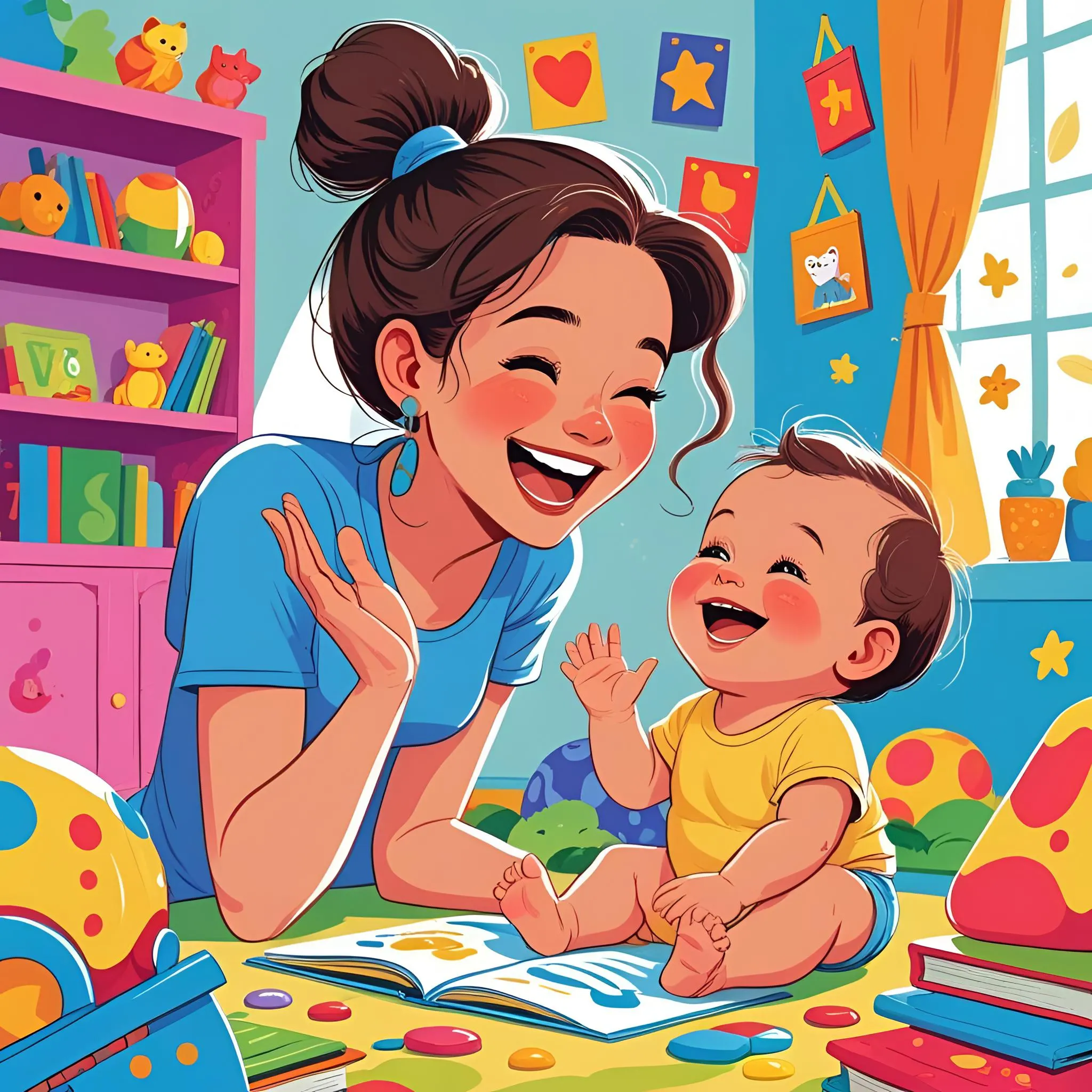
Having responsive interactions with young children during reading time can do a lot for their learning and emotional development. When caregivers change their tone of voice, they can catch a child's attention. This helps make a space where it is good for the child to pick up language. Taking short pauses gives babies a chance to react, such as making little sounds or laughing.
These moments help them take part in a back-and-forth way of sharing. The give and take in story time is important. It helps with bonding between caregivers and young children and makes a good start for their future literacy skills. In this way, story time becomes more than just reading; it gives a chance to grow vocabulary and close emotional connections, helping children in many ways.

Related Articles:
Build a Personalized Summer Reading List for Kids Today!
Keep Kids Reading: Fluency Boosters for the Summer Break
Fun Storytime Moments: Engaging Ideas for Kids
Conclusion
Building a habit of reading aloud to babies helps set the groundwork for strong language and literacy skills. When you take time for story time with your child, it gives you both a chance for bonding. This also helps with brain development, as the child gets to feel many emotions and enjoy new sights and sounds.
By picking the right books and making reading a happy part of your daily routines, caregivers can do a lot to help during the early years of a child’s life. This simple habit of reading aloud does not just build up vocabulary, but it also helps children like learning and talking with others for the rest of their lives.
Frequently Asked Questions
How long should I read aloud to my baby each day?
Reading out loud to your baby for about 20 minutes each day is good. You can break this time into smaller parts if needed. When you read often, you help your child with language development. It also helps you and your child grow closer. This time together makes it easier for your baby to learn to talk and helps their brain grow from a young age.
Can reading in multiple languages benefit my infant?
Yes, reading to your baby in many languages can really help with their language skills and how they think. It lets them hear different sounds and learn more words. This can help them get used to new things easily. When you use more than one language with your baby early on, it can make their brain connections stronger. This can help your child talk and share their ideas better as they get older.
What if my baby seems uninterested or distracted?
If your baby does not look interested or gets distracted while you read, you can change the place where you are reading. You could also use fun voices or pick more hands-on books. Keep the reading time short. Make it fun. Let your baby take breaks, so they stay focused. This will help give them a good and happy feeling about reading.
Are digital books or audiobooks effective for infants?
Digital books and audiobooks can help babies learn when used in the right way. These give lots of different stories to enjoy. But it’s important to focus on bonding through reading together, not just watching or listening. When you use real books, you and your child connect more. Turning pages and touching books help your baby’s senses grow. Because of this, reading traditional books is a good way to support early brain growth and spend special bonding time together.
How can I involve other family members in reading aloud?
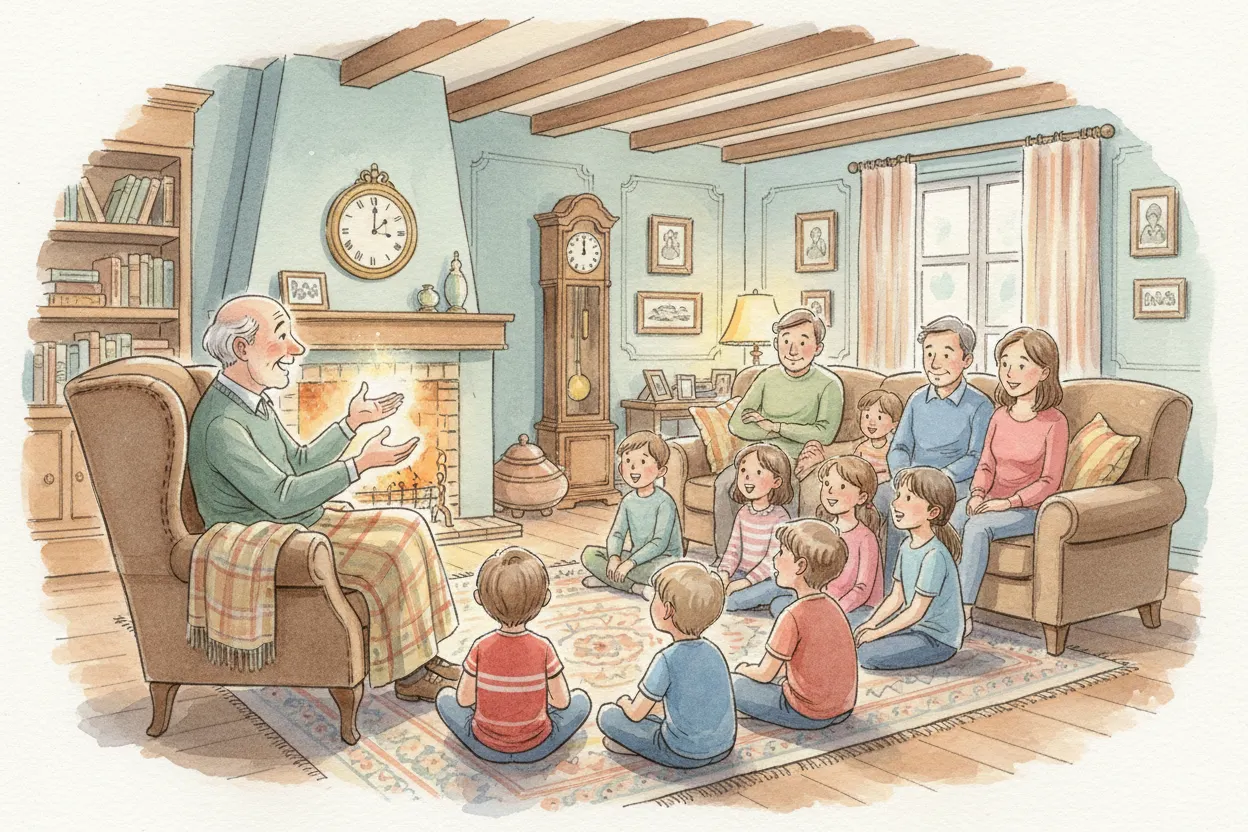
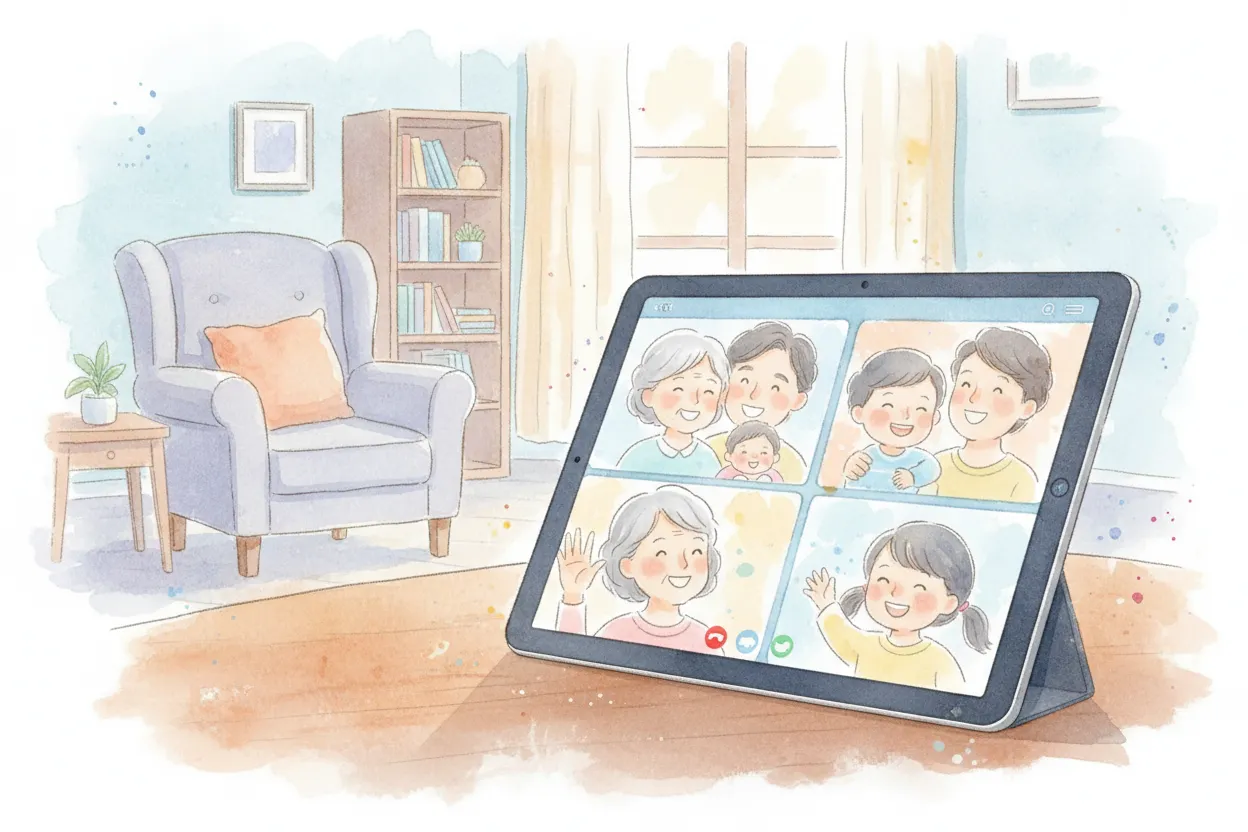
Get family members to join in by planning regular times to read together. Let them pick the books, and ask them to share the stories they loved as children. You can also use video calls if someone is far away. This way, the baby can hear many voices, and everyone can share in the storytelling. These moments help your baby feel close to their loved ones from early on.

Written with Augmented Intelligence and SHiNER The Human