Acts of Kindness: Fun Activities for Children at Home
Acts of Kindness: Fun Activities for Children at Home
Dec 28, 2025
Key Highlights
- Discover fun and simple kindness activities that children can do right at home.
- An act of kindness is a great way to teach young children about empathy and generosity.
- Get ideas for creative projects like handmade cards and drawings to brighten someone's day.
- Learn how helping with household chores can be a meaningful gesture for a family member.
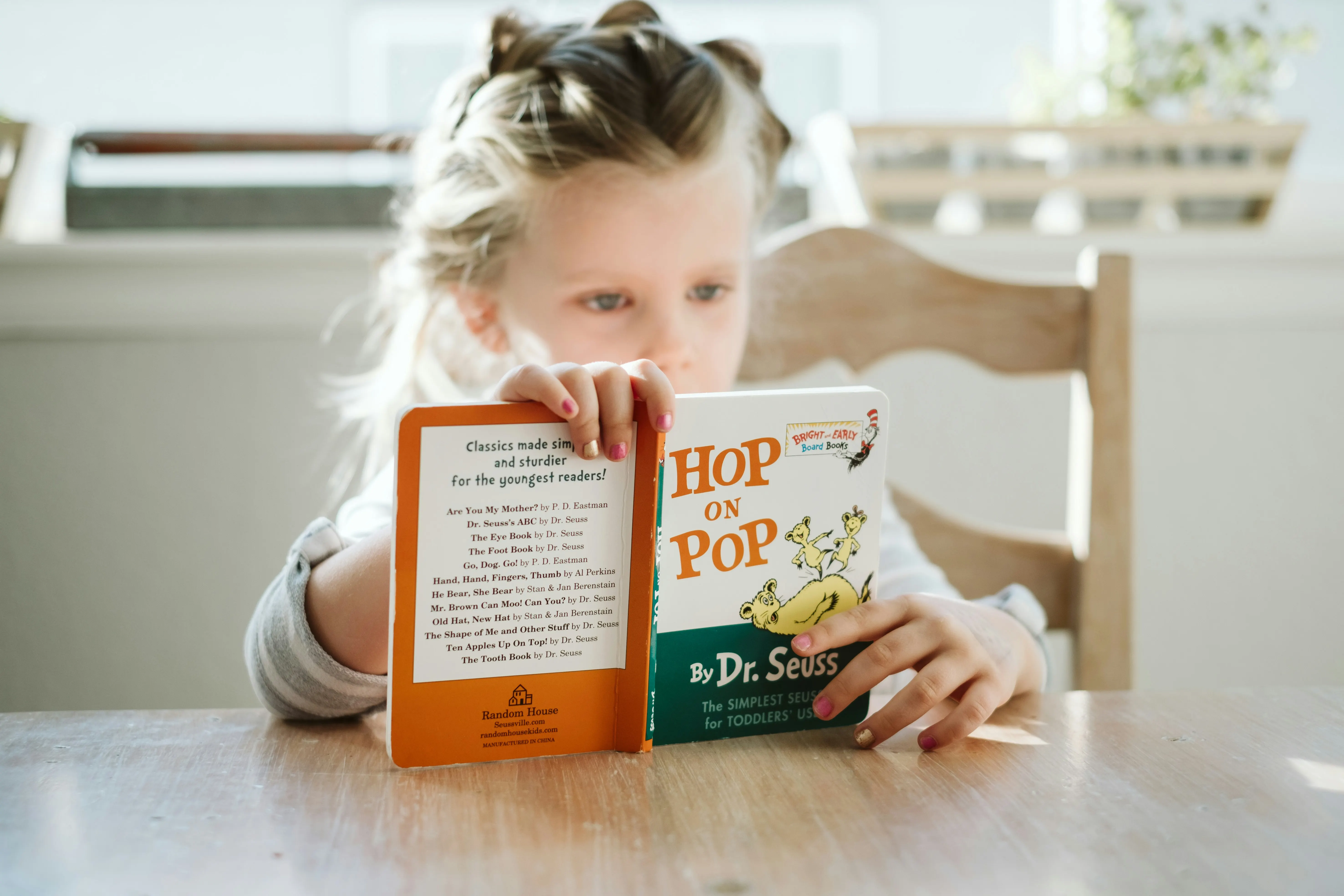
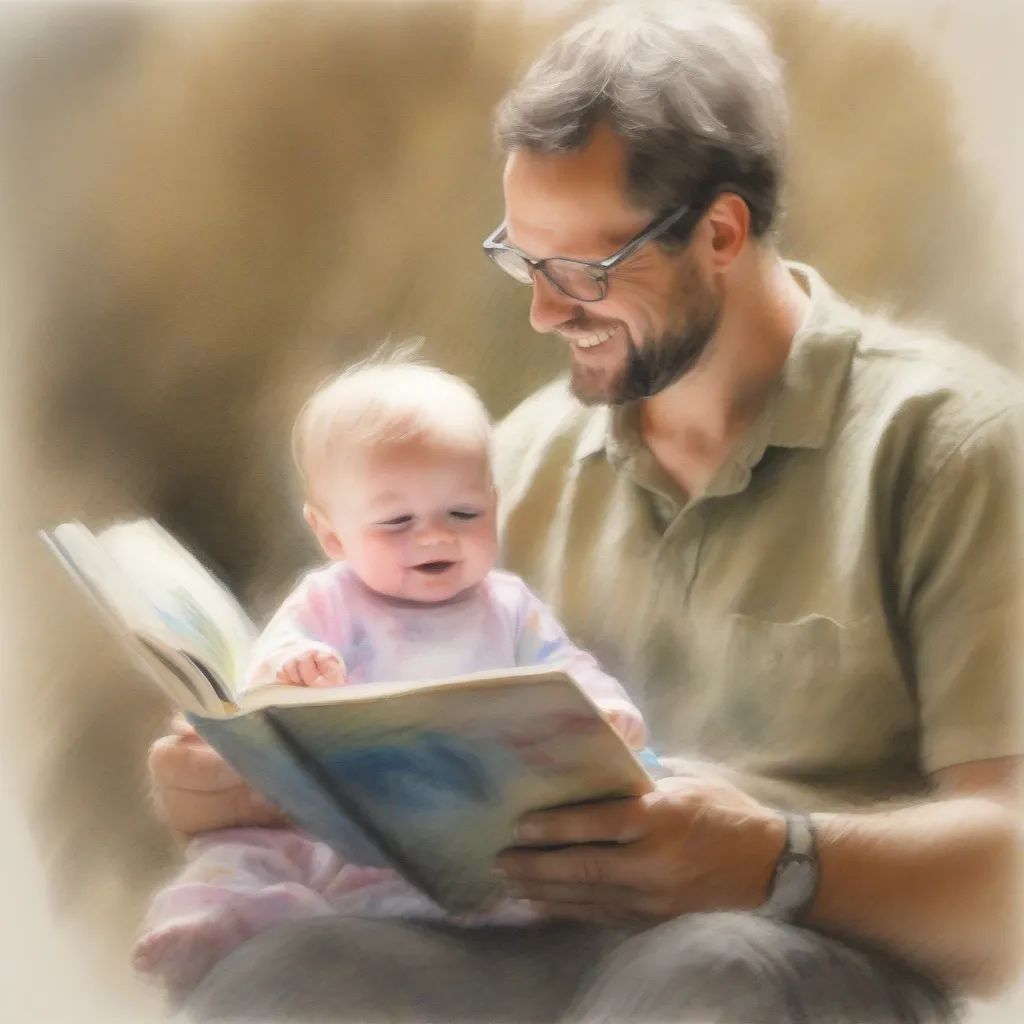
- Reading books about kindness with young readers can inspire thoughtful conversations.
- Find practical tips for making kindness a part of your family's daily routine.
Introduction
Teaching children about kindness is a cornerstone of early childhood development, helping them build empathy and strong social-emotional skills. Every act of kindness, no matter how small, has the power to make a big difference in someone's day.
For young readers and toddlers, engaging in simple kindness activities at home is an excellent way to understand concepts like generosity and compassion. This article explores fun, easy, and impactful activities that you can introduce to your children to foster a lifelong habit of kindness.
Fun Acts of Kindness Activities for Children at Home
Introducing young children to the concept of kindness doesn't have to be complicated. Simple acts of kindness performed at home are a great way to show them how their actions can bring joy to others. These small gestures help build a foundation for empathy and social awareness from an early age.
There are many kindness activities that are both fun and easy for children to try. Whether it's a creative project or a helpful task, these ideas can be easily woven into your family's routine. The following sections offer some wonderful examples to get you started.
1. Create handmade greeting cards for neighbours and family
One of the most personal ways for children to perform an act of kindness is by creating something with their own hands. Handmade cards are a great way for young children to express care and appreciation for a neighbour or family member.
This activity combines creativity with a thoughtful gesture, making it a powerful tool for teaching generosity.
Your child can make cards for many different people and occasions. This is a wonderful opportunity to talk about the people in your community and why it's nice to show them you are thinking of them. Some ideas include:
- Creating "Be Happy" notes to put in mailboxes.
- Making a thank-you card for the local librarians.
- Drawing a picture for someone who is feeling unwell.
- Writing a poem for a family member you love.
For young readers, writing a simple, kind message can also boost their early literacy skills. This simple project shows children that their efforts can bring a smile to someone's face, reinforcing the positive feelings associated with giving. It is a fantastic bonding activity that creates lasting memories.
2. Help with household chores without being asked
Turning everyday chores into opportunities for kindness is a practical way to foster helpfulness. When a child helps around the house without being asked, it is a significant good deed that shows respect and love for their family. These simple acts of kindness demonstrate that they are a contributing family member.
Even small acts of kindness can make a big difference in a busy household. You can encourage your child to look for ways to help, which enhances their executive function skills and awareness of others' needs. Consider encouraging tasks such as:
- Raking leaves for a neighbour or in your own garden.
- Vacuuming the house for a family with a new baby.
- Tidying up toys to make a shared space clean for everyone.
- Helping to set the table before a meal.
By participating in these tasks, children learn that their actions have a positive impact on their home environment and the people in it. This practice teaches responsibility and appreciation, making kindness a natural part of their daily routine and strengthening family bonding activities.
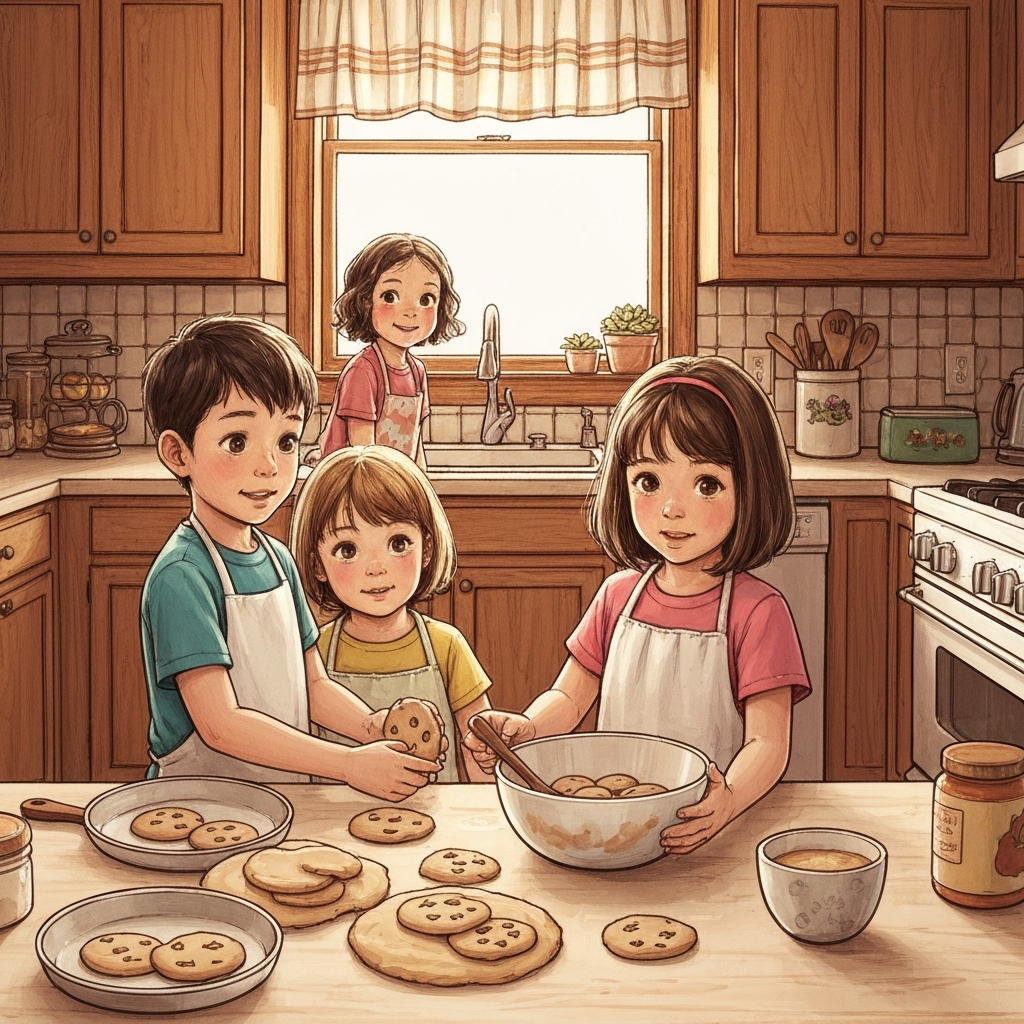
3. Bake treats and share with friends or relatives
Baking is a delightful sensory play activity that children love, and sharing the delicious results is a wonderful act of kindness. This hands-on project is a great way to teach young readers about the joy of giving. The process of measuring, mixing, and decorating develops fine motor skills, while the act of sharing fosters generosity.
Thinking about who would enjoy a homemade treat can be a lesson in empathy. Does your child have a good friend who would love a biscuit? Or is there someone in the community who could use a little cheering up? Some people to share with include:
- A teacher, as a thank-you for their hard work.
- Staff at a local hospital to show appreciation.
- A family in need, such as one with a recent birth or loss.
- A bus driver or mail carrier.
Delivering the baked goods together is a memorable experience that reinforces the positive feelings of a kind act. This thoughtful gesture shows children that their efforts can bring happiness to others, making it a perfect activity to do with friends or for them.
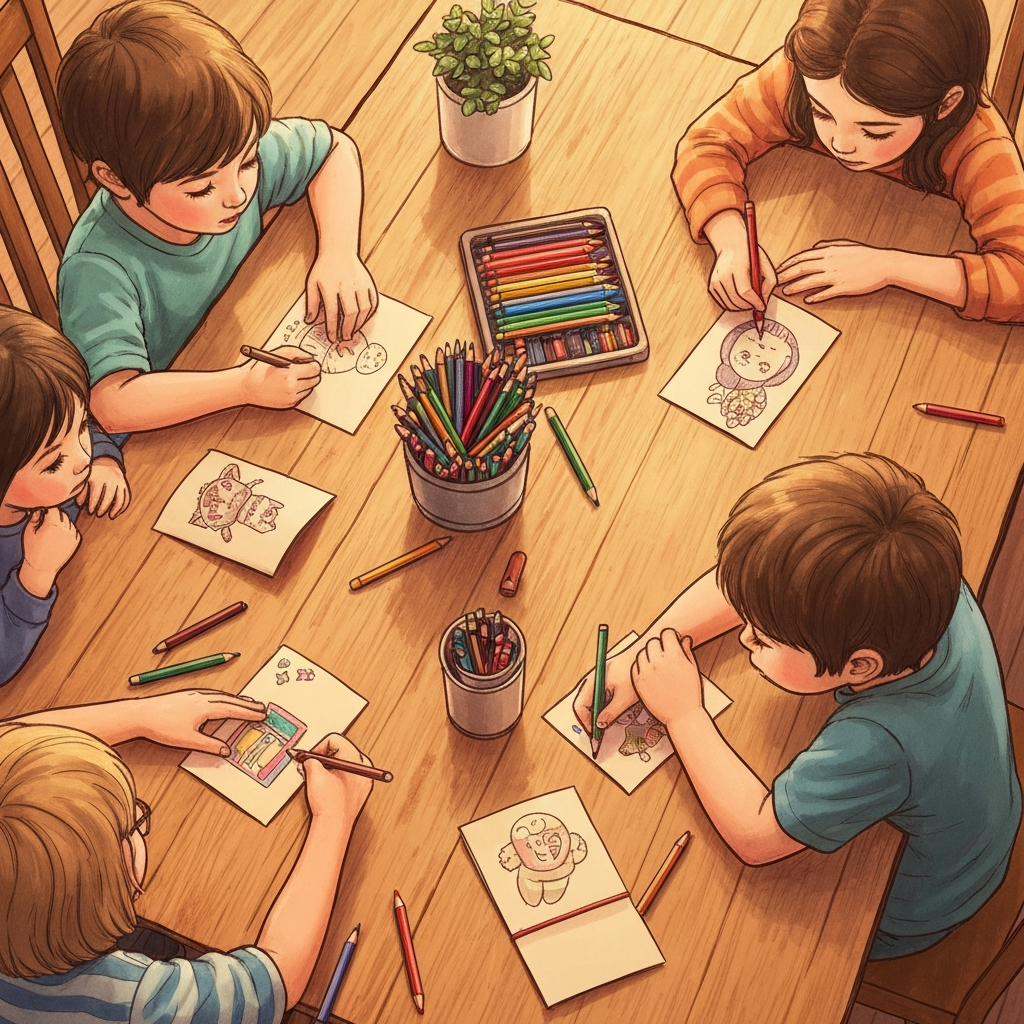
4. Make acts of kindness pictures or drawings to brighten someone’s day
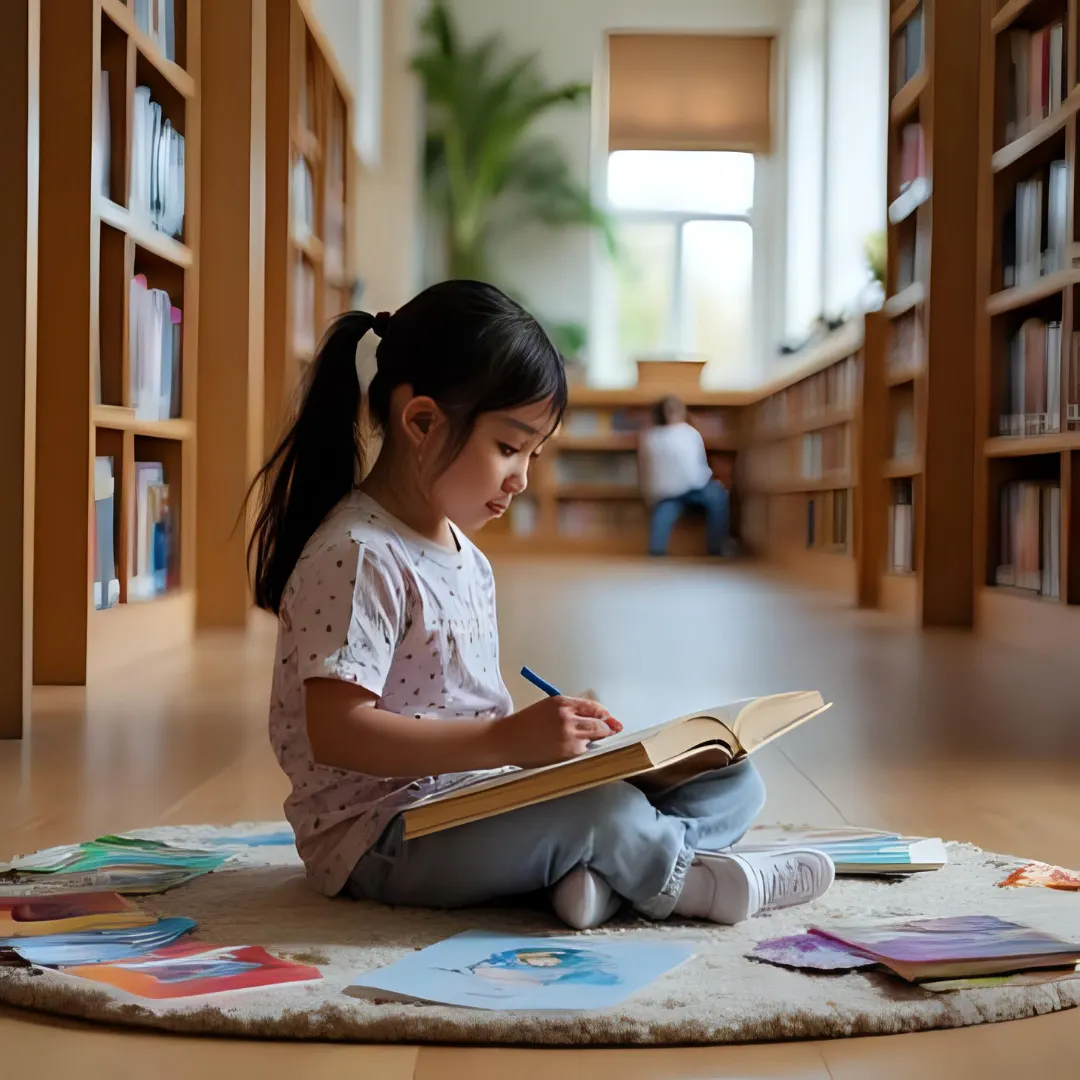
Art is a powerful medium for children to express their feelings and spread happiness. Creating a picture or drawing as an act of kindness is a simple yet deeply personal gesture. It allows children to share a part of themselves and offer visual words of encouragement to someone who might need it.
This activity is perfect for a spontaneous, random act of kindness that can easily be done at home. All your child needs is some paper and crayons to create a heartwarming story in a single image. Some fun and easy ideas include:
- Drawing a picture of your community for the local police station.
- Making happy notes on the pavement with chalk.
- Leaving a happy note or drawing inside a library book for the next reader.
- Creating a drawing to thank someone who has helped your family.
This creative expression teaches children that kindness doesn't require money or grand gestures. A simple drawing can become an inspiring story for the person who receives it, showing them that someone was thinking of them. It's a beautiful way to brighten a stranger's or a friend's day.
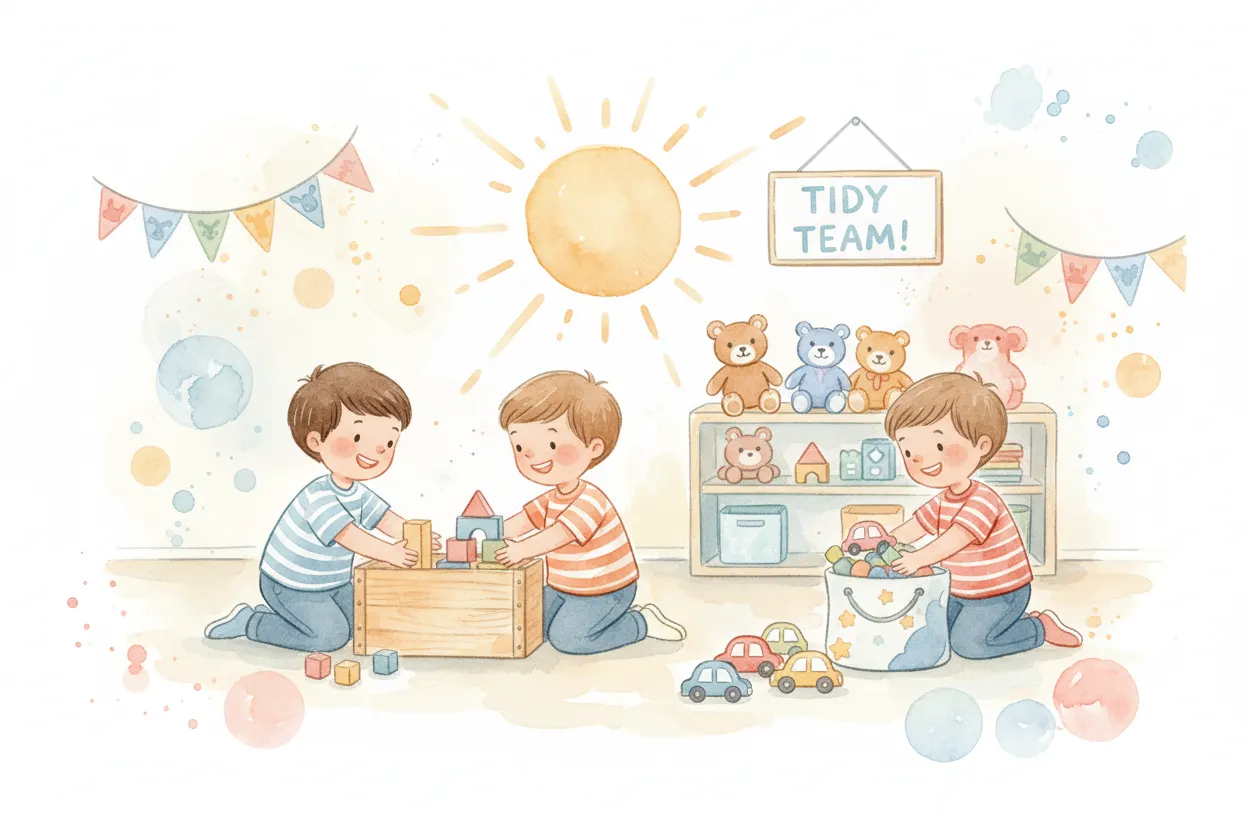
5. Organise a toy or book donation among siblings
Teaching children to share what they have is a fundamental lesson in generosity. Organising a toy or book donation is a tangible act of kindness that helps young children understand the concept of giving to others. It is one of the most effective simple acts of kindness for teaching them that their outgrown items can bring joy to someone else.
Involving your children in the process of selecting items to donate helps them feel empowered. They can choose toys to pass on to a younger sibling or items to give to organisations that support other families. Some places to donate include:
- A local doctor's or dentist's office.
- A nearby hospital's children's ward.
- The local fire brigade, for children in emergencies.
- An animal shelter, if you have old blankets or pet-safe toys.
This activity promotes a culture of sharing and decluttering with purpose. It shows children that their possessions can have a second life and make a big difference to others. This idea is also easily adaptable for classrooms, where students can collectively gather items for a local charity.
6. Start a kindness jar and fill it with notes of appreciation
A kindness jar is a wonderful visual tool to encourage and track kind deeds within a family. This simple activity helps make kindness a conscious and celebrated part of your daily life. It’s a practical way to show children that every single act of kindness, no matter how small, has a big impact.
Setting up the jar is easy and can be a fun family project. Each time a family member performs or witnesses an act of kindness, they write it on a slip of paper and add it to the jar. This fosters a positive environment where good behaviour is noticed and valued. The process involves:
- Decorating a jar together and labelling it the "Kindness Jar."
- Writing down any kind act, such as sharing a toy or giving a compliment.
- Placing the notes in the jar throughout the week.
- Reading the notes aloud together to celebrate your collective kindness.
This ongoing activity reinforces the importance of being kind to each family member. Periodically reading the notes together serves as a powerful reminder of the love and appreciation within your home, helping to build a strong culture of kindness and improve social-emotional learning.
7. Share acts of kindness images in a family photo album
Creating a visual record of your family's kindness journey can be a powerful way to reinforce its importance. A scrapbook or photo album dedicated to acts of kindness serves as a heartwarming story of your family's efforts to make a positive impact. For young readers, looking back at these images can inspire them to continue being kind.
Capturing these moments helps solidify the memory and the positive feelings associated with each act of kindness. You can document your family's journey in a special album, creating a treasured keepsake and building generational learning legacies. Consider taking photos of:
- Your child giving away old toys to a younger family member.
- The family dropping off baked goods at a neighbour's house.
- Your child holding a handmade card they created.
- The whole family picking up litter at a local park.
This album becomes a collection of cherished memories and a testament to your family's values. Reviewing it together provides opportunities to reflect on how each act of kindness made you and others feel, reminding every family member of the joy of giving.
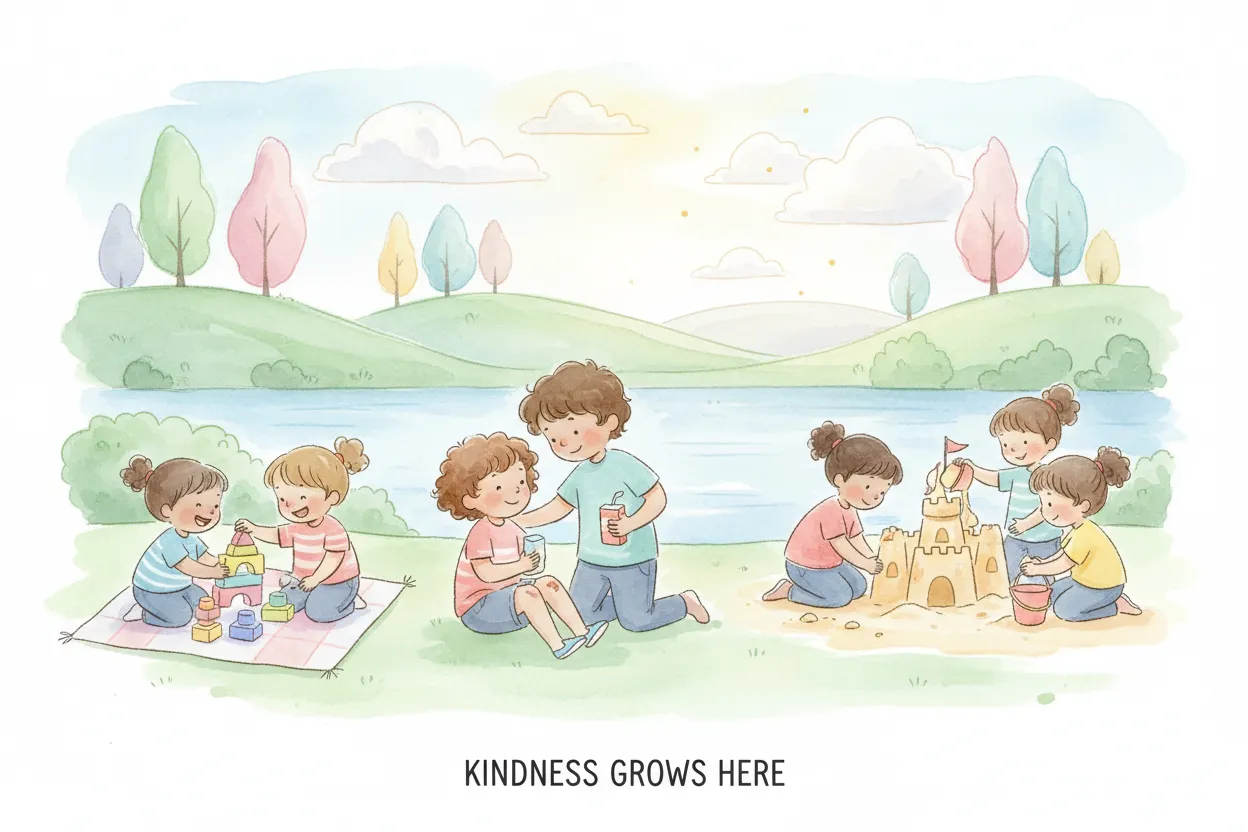
Age-Appropriate Acts of Kindness for Kids
Kindness can be taught and practised at any age, but it's important to choose age-appropriate activities. For younger children, simple gestures like sharing a toy or giving a hug are meaningful. As they grow, older children can take on more responsibility, like organising a donation drive or helping a neighbour with their gardening.
Choosing the right activity ensures that the experience is positive and empowering. There are many different ways to engage children in kindness, from games and challenges to reading and thoughtful planning. The following ideas offer practical suggestions for children of all ages to get involved.
Participate in simple kindness challenges at home
Creating simple kindness challenges at home offers young children the chance to engage in family bonding activities while fostering social-emotional learning. These challenges can include small acts of kindness like drawing pictures for a new student or leaving words of encouragement for a bus driver.
By incorporating these everyday kindness activities into daily routines, children learn the power of kindness and develop executive function skills, ultimately making their environment a better place for everyone involved.
Use acts of kindness books as bedtime stories
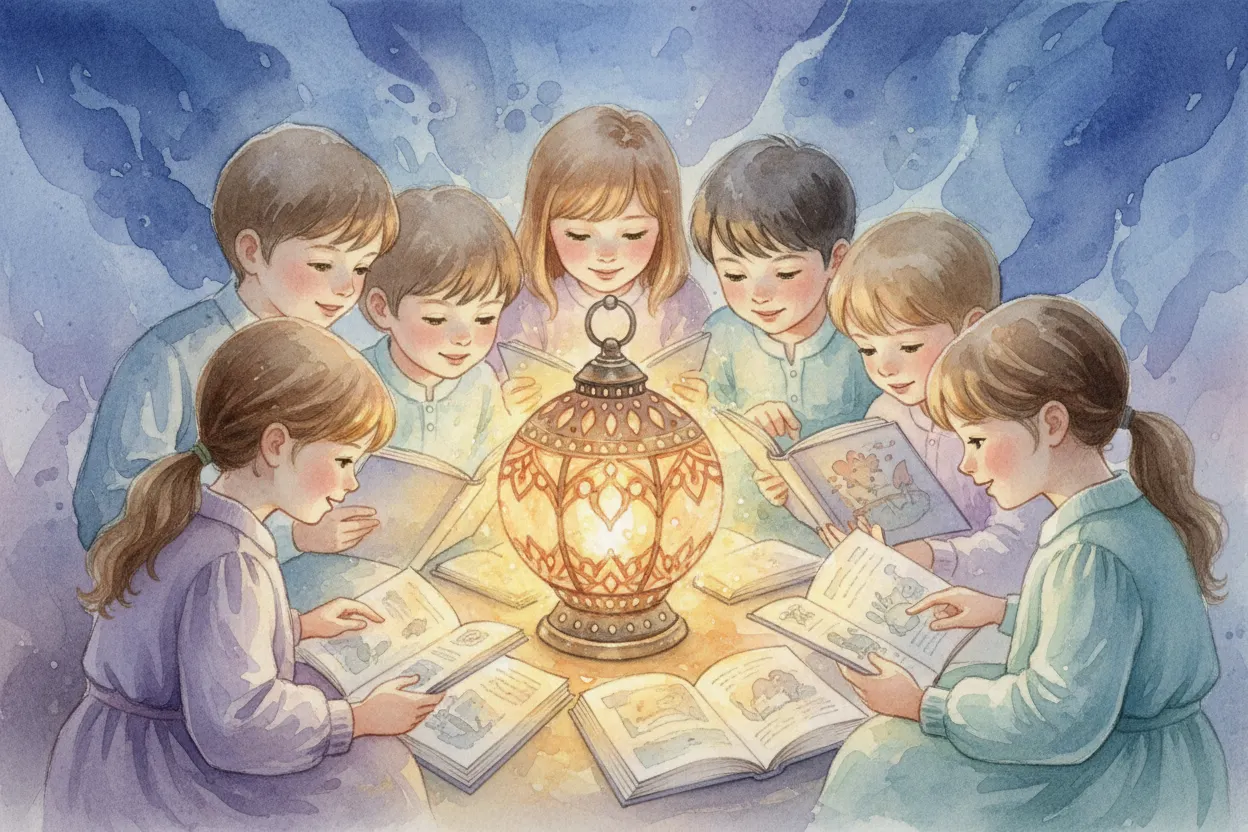
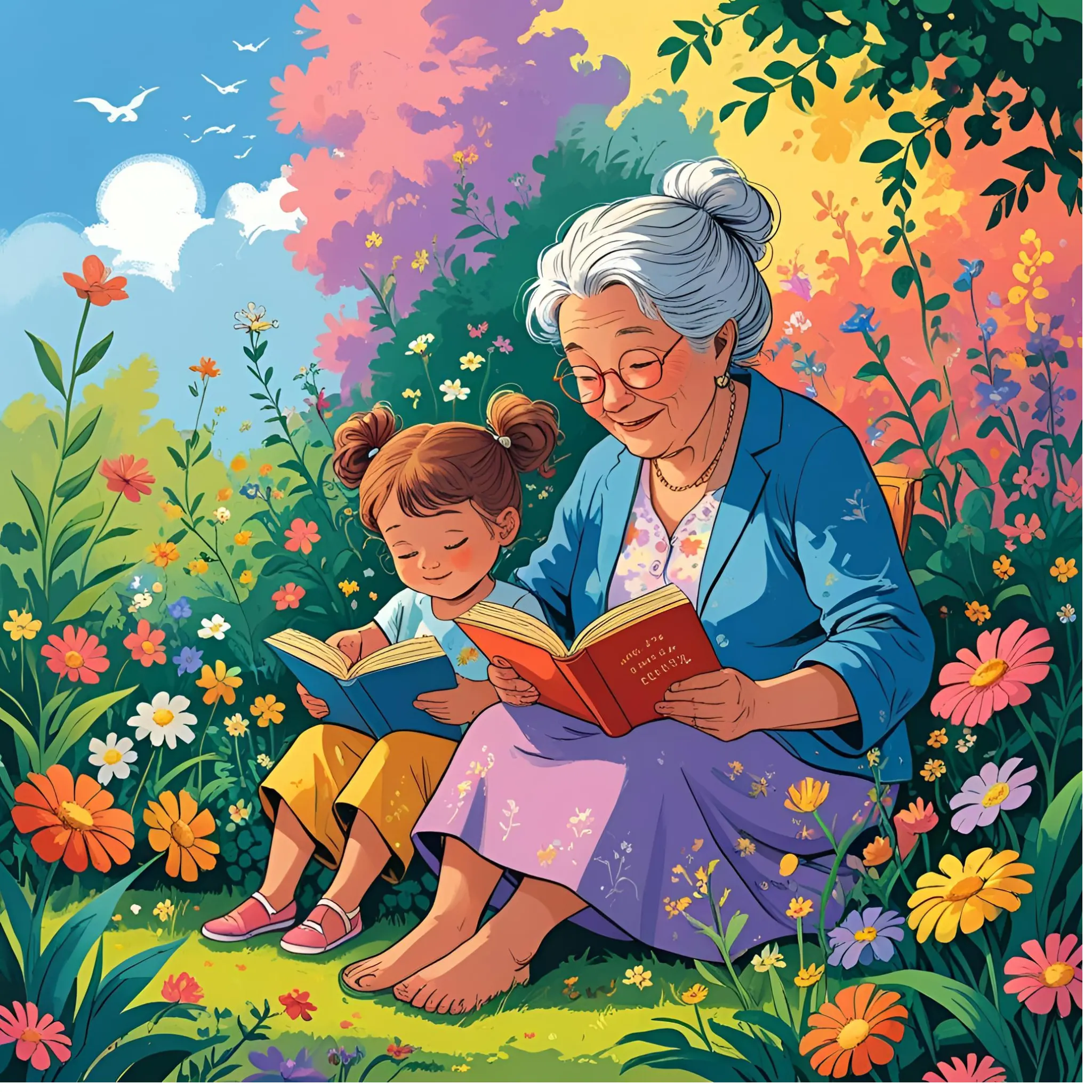
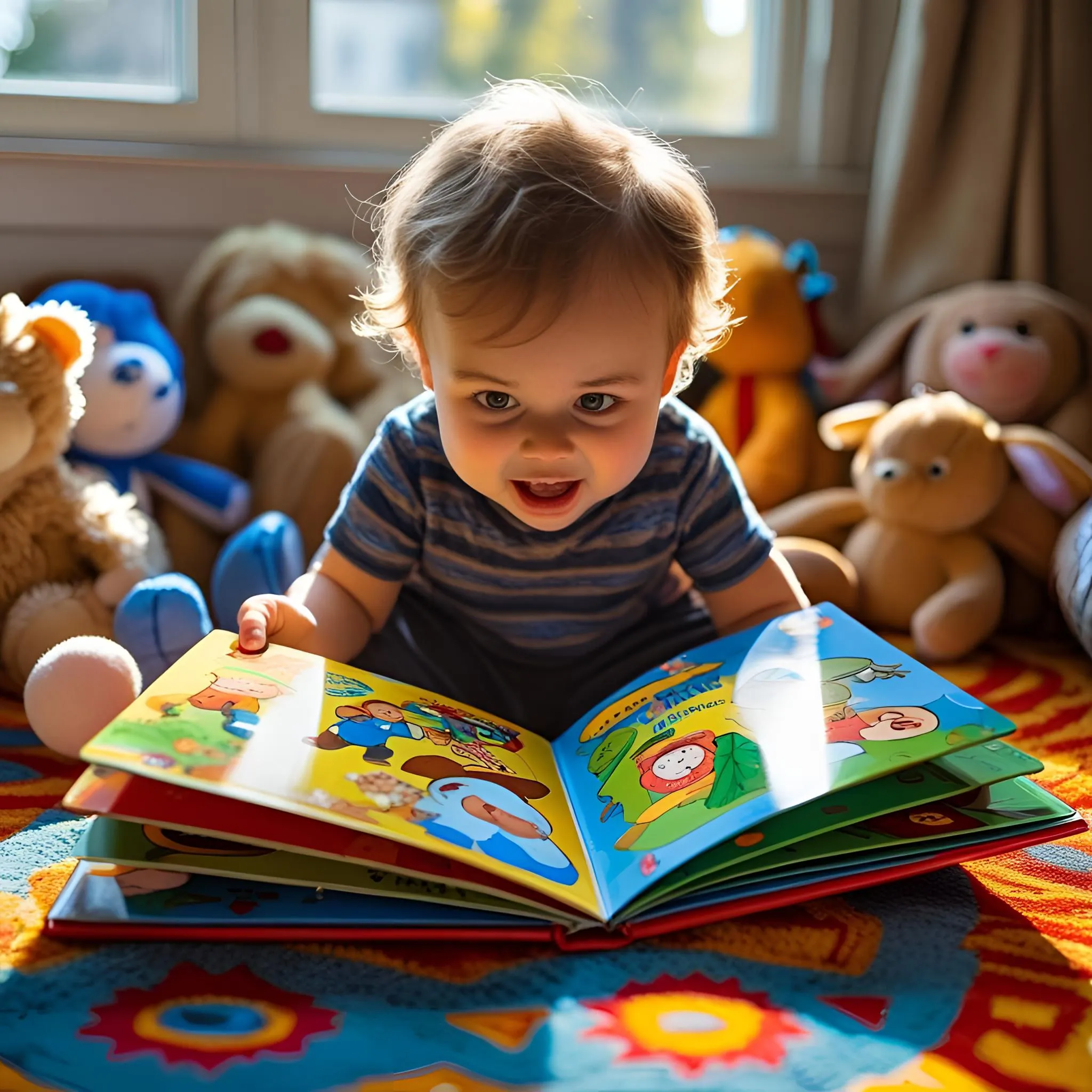
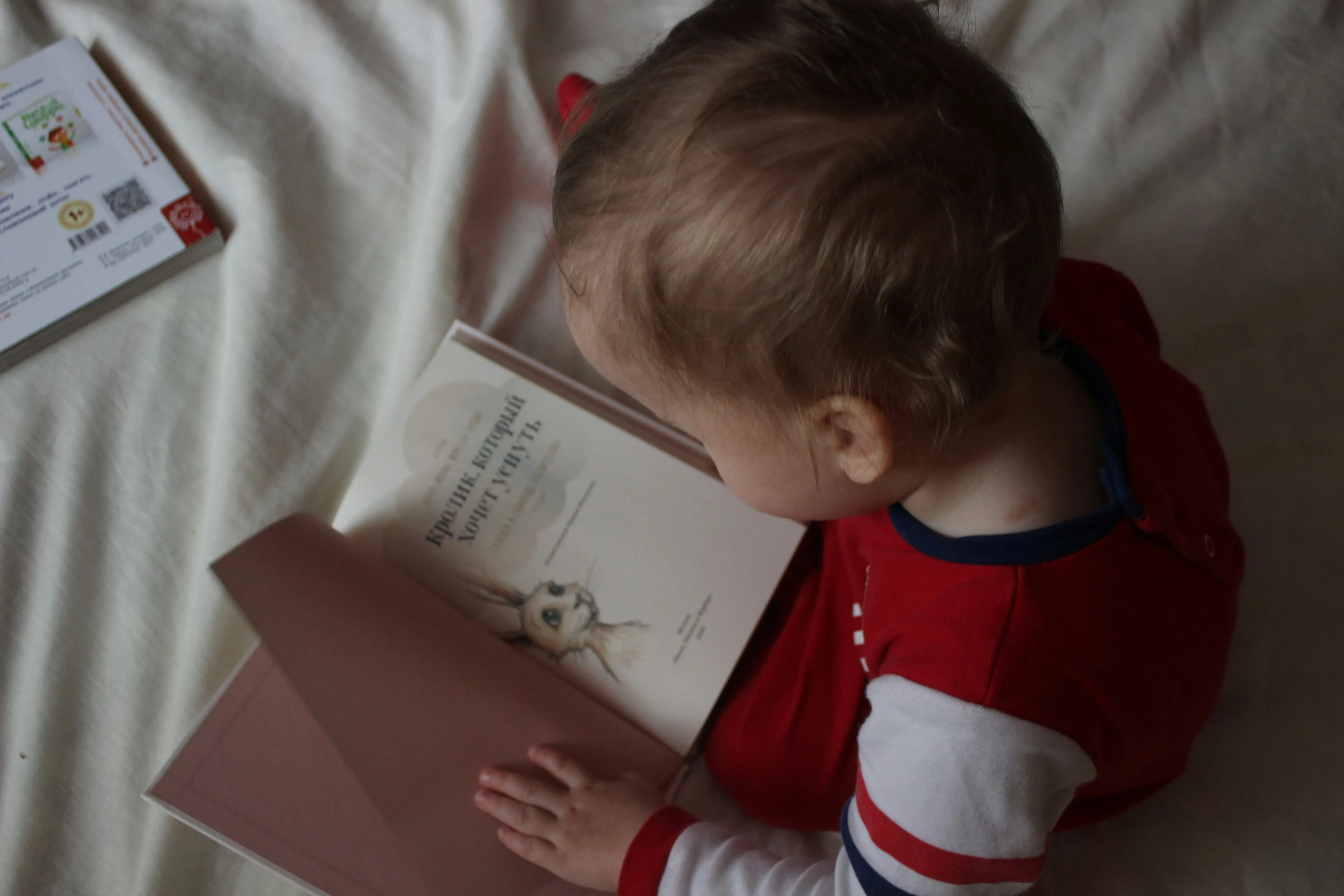
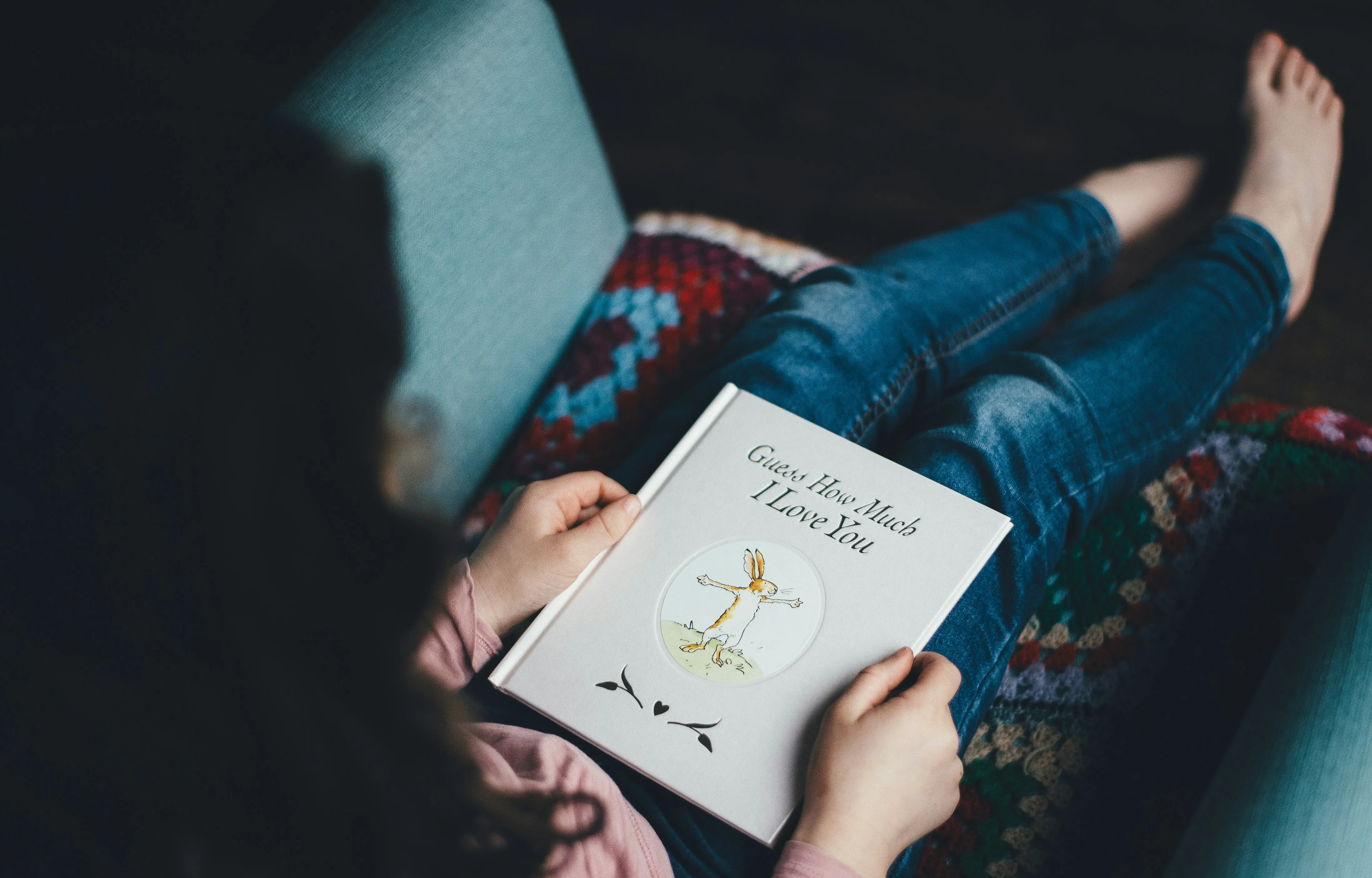
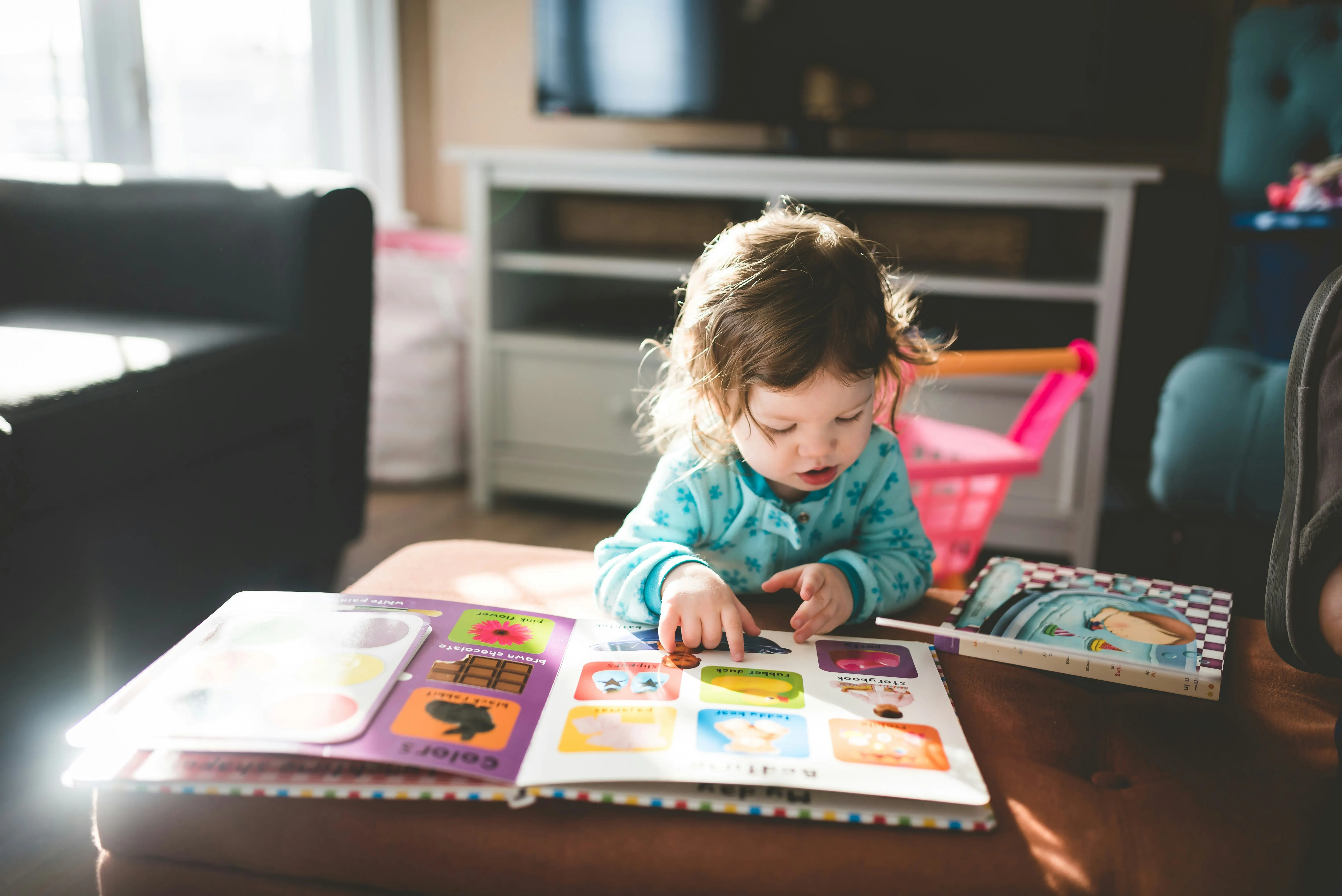
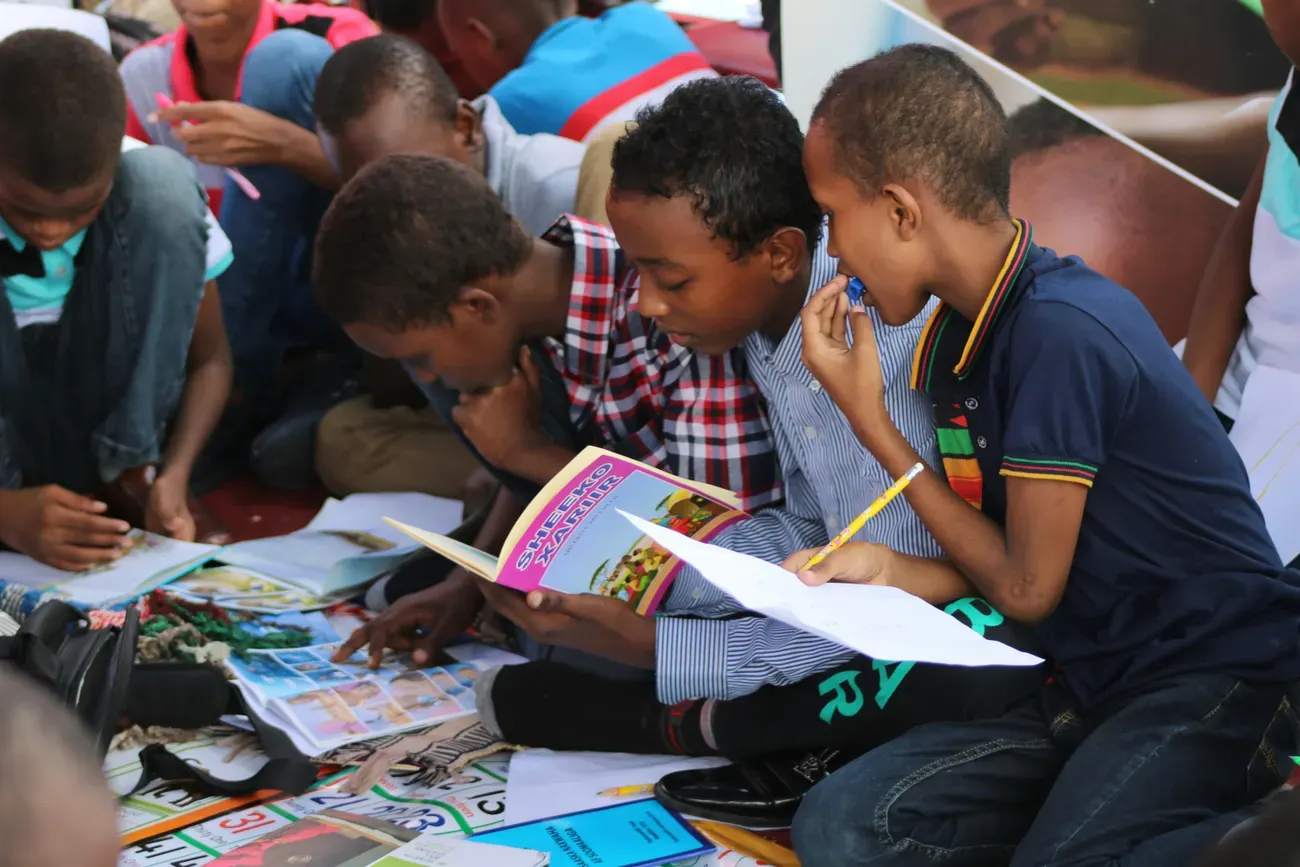
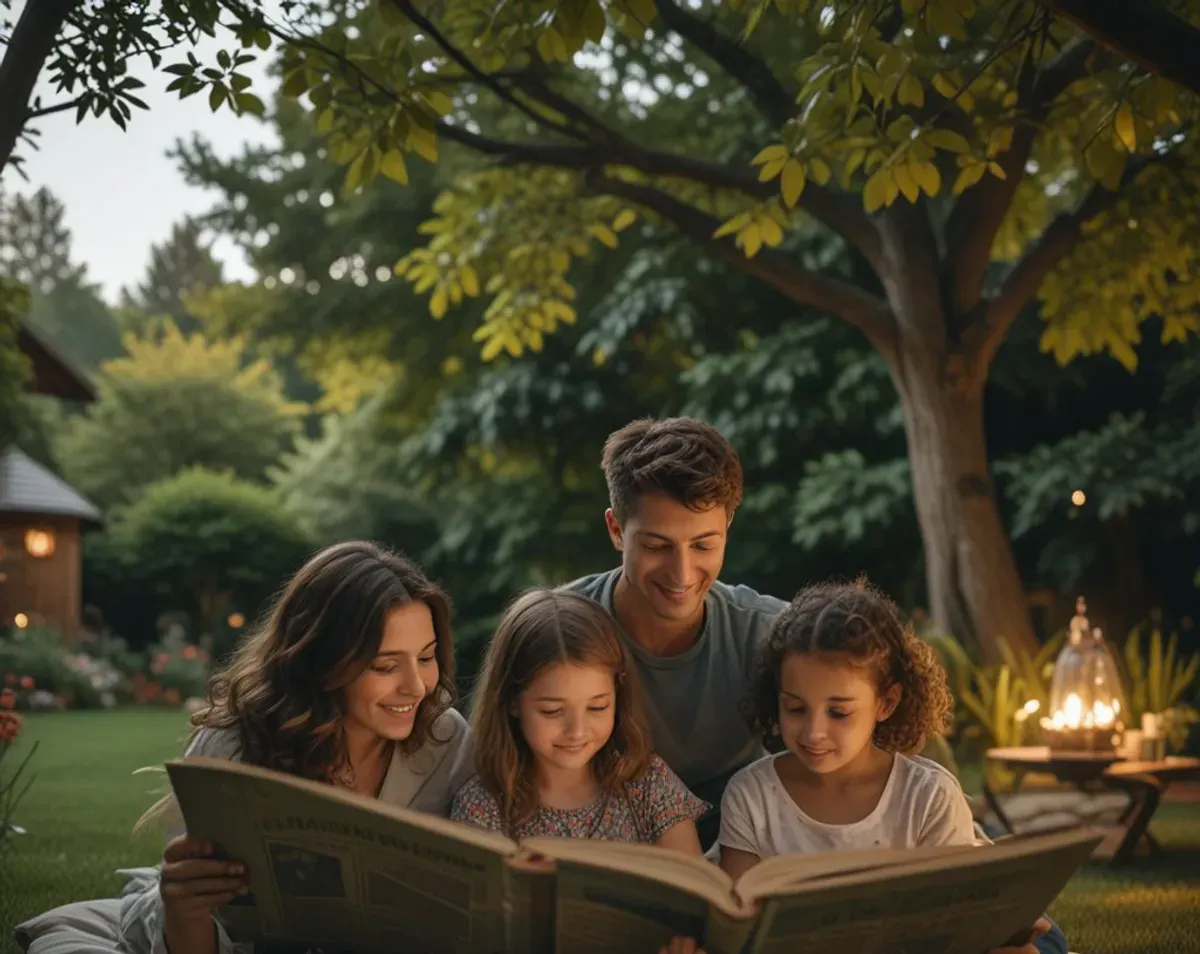
Incorporating acts of kindness books into bedtime routines fosters early literacy and social-emotional learning. Choosing picture books that illustrate simple acts of kindness not only enhances children's understanding of empathy but also develops their cognitive skills as they relate to characters' feelings and actions.
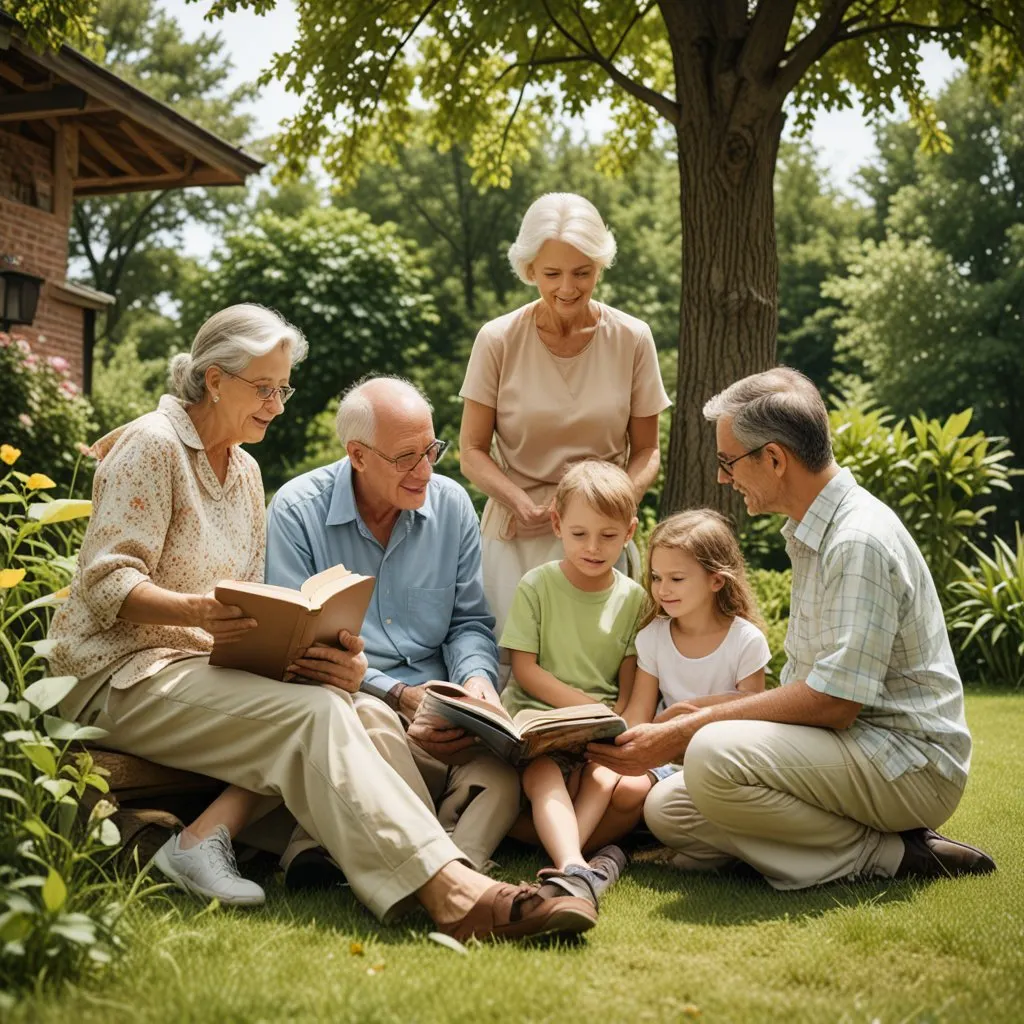
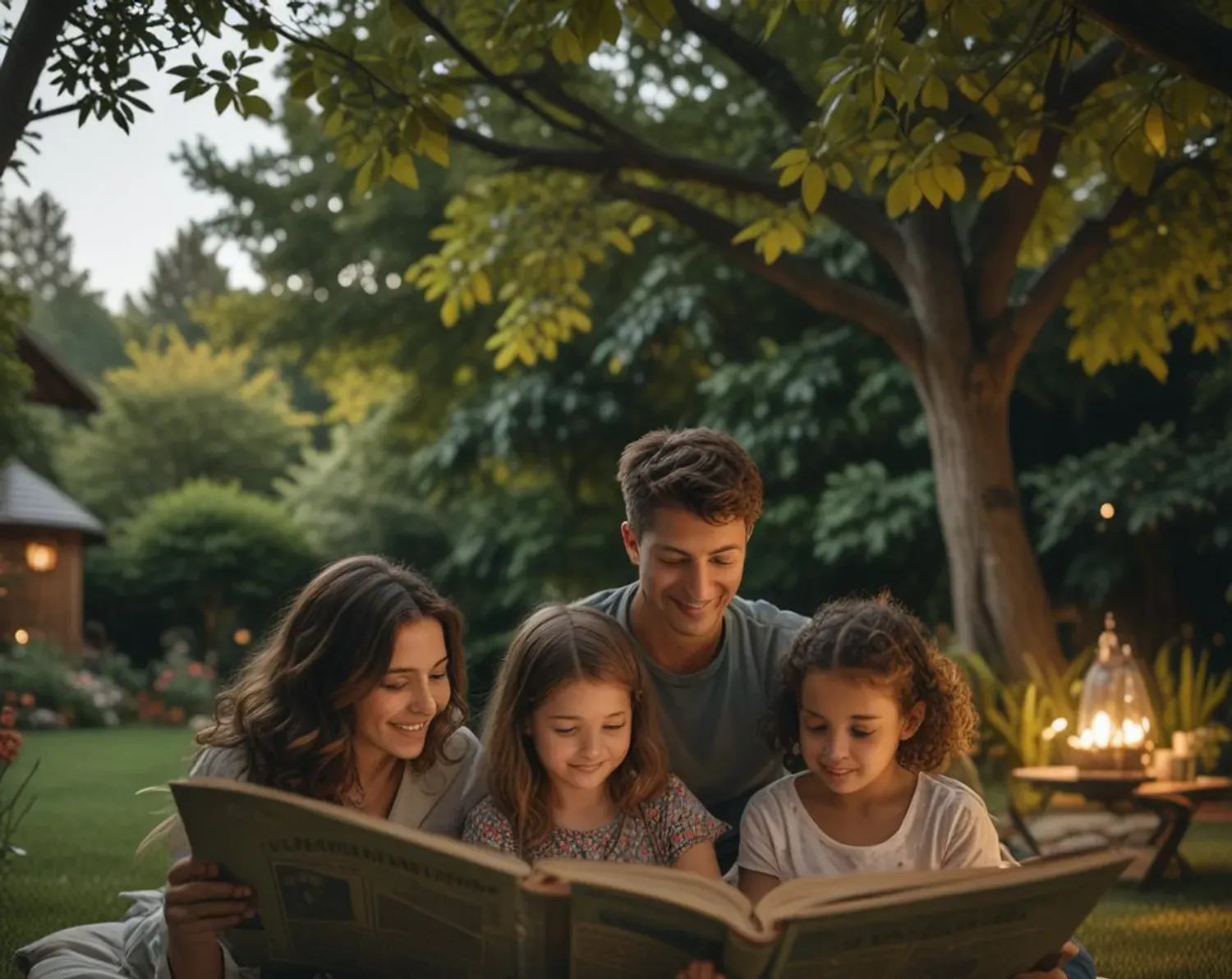
This practice reinforces generational learning legacies, creating a culture of kindness within families. Moreover, reading heartwarming stories before sleep encourages children to reflect on their day and inspires them to perform their own good deeds, cultivating a conscientious mindset.
Plan thoughtful gestures for friends and classmates
Engaging in simple yet thoughtful gestures can leave a lasting impression on friends and classmates. Consider creating a "kindness jar," filled with notes of encouragement and inspirational messages, which can be shared during class or handed out on a bus ride.
Younger children can also craft handmade cards for new students or those feeling lonely, fostering social-emotional learning. These kindness activities not only strengthen friendships but also promote a culture of kindness, making the world a better place for everyone involved.
Encouraging Everyday Kindness in Families
Fostering kindness is not a one-time lesson but an ongoing practice. Integrating it into everyday life helps it become a natural habit for every family member. The goal is to build a culture of kindness where compassion and consideration are core family values.
Parents and caregivers play a crucial role in nurturing this environment. By modelling kind behaviour and intentionally discussing its importance, you can guide your children to make kindness a part of who they are. The following tips offer practical ways to encourage this daily practice.
Tips for parents to foster daily acts of kindness
Encouraging small acts of kindness at home not only nurtures social-emotional learning but also aids cognitive development in children. Start by modelling kindness through everyday actions, like sharing with family members or helping neighbours.
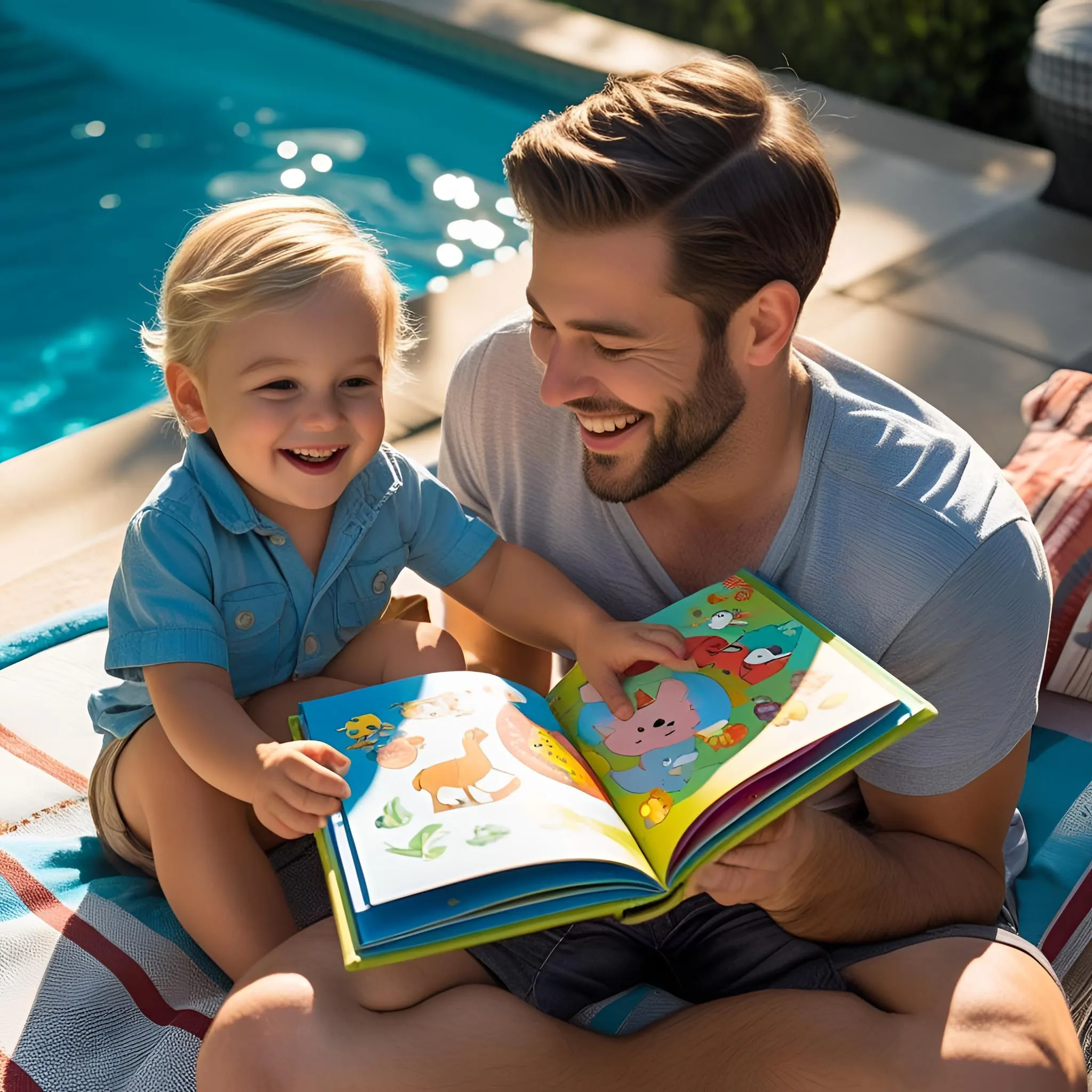
Incorporating storytelling for kids, especially through engaging picture books about kindness, can spark meaningful conversations and inspire young readers. Create a kindness jar for younger children, where they can add notes highlighting their good deeds, reinforcing that every little bit counts in making the world a better place.
Conclusion
In conclusion, engaging children in acts of kindness not only brightens the day of others but also nurtures empathy and social skills within them. By implementing fun activities like creating handmade cards, sharing treats, or organising toy donations, you can instil the values of compassion and generosity.
Encouraging these behaviours at home lays a strong foundation for lifelong kindness. Remember, every little act counts, and these experiences can transform your child's perspective on kindness.
As parents, you play a crucial role in guiding your children through these meaningful interactions. If you're interested in exploring more ideas or need guidance on fostering kindness in your family, reach out for a free consultation today!
Frequently Asked Questions
What are some easy acts of kindness for children in Canadian classrooms?
Easy acts of kindness for Canadian classrooms include welcoming a new student, sharing supplies, offering to help a classmate who is struggling, or giving a compliment. These simple acts of kindness foster an inclusive environment and teach children the importance of supporting their peers in a school setting.
How can acts of kindness help kids build empathy?
An act of kindness encourages children to think about another person's feelings and needs, which is the foundation of empathy. When they see the positive effect of their actions, they learn the power of kindness firsthand. This experience helps them understand how they can make the world a better place.
What are fun ways for children to celebrate World Kindness Day at home?
To celebrate World Kindness Day, families can engage in fun kindness activities together. Try baking treats for a neighbour, starting a family kindness jar, or having each family member perform a secret act of kindness for another. Reading a book about kindness is also a great way to mark the day.
Reference:
https://en.wikipedia.org/wiki/Kindness
https://www.growingfamily.co/how-to-teach-kindness-to-kids/
https://www.parents.com/fun/activities/teach-kids-kindness/
https://www.pbs.org/parents/thrive/teaching-kids-kindness-10-ways-to-encourage-it
https://www.weareteachers.com/kindness-activities-for-kids/
https://littlebinsforlittlehands.com/kindness-activities-for-kids/
Written with Augmented Intelligence and SHiNER The Human