12 Fun Match Prints for Engaging Preschool Learning
12 Fun Match Prints for Engaging Preschool Learning
Dec 26, 2025
Discover 12 Fun Match Prints for Preschool Learning

Key Highlights
- Matching prints are a wonderful way to boost early learning through fun activities.
- These games enhance essential cognitive abilities like memory and concentration.
- They are excellent for developing visual discrimination skills in young children.
- Using picture cards helps expand vocabulary and introduce new concepts.
- Themed matching prints can cover everything from animals and shapes to emotions.
- These educational activities support fine motor skills and social skills like turn-taking.
Introduction
Welcome to the world of preschool learning, where play is the most important work a child can do. Matching prints offer a simple yet powerful way to support your child’s early childhood development.
These fun activities provide a fantastic opportunity to build foundational skills such as visual discrimination, memory, and concentration. Are you looking for a fun way to engage your preschooler while reinforcing key concepts? Let’s explore how matching picture cards can transform learning into an exciting game.
Explore 12 Fun Match Prints for Preschool Learning
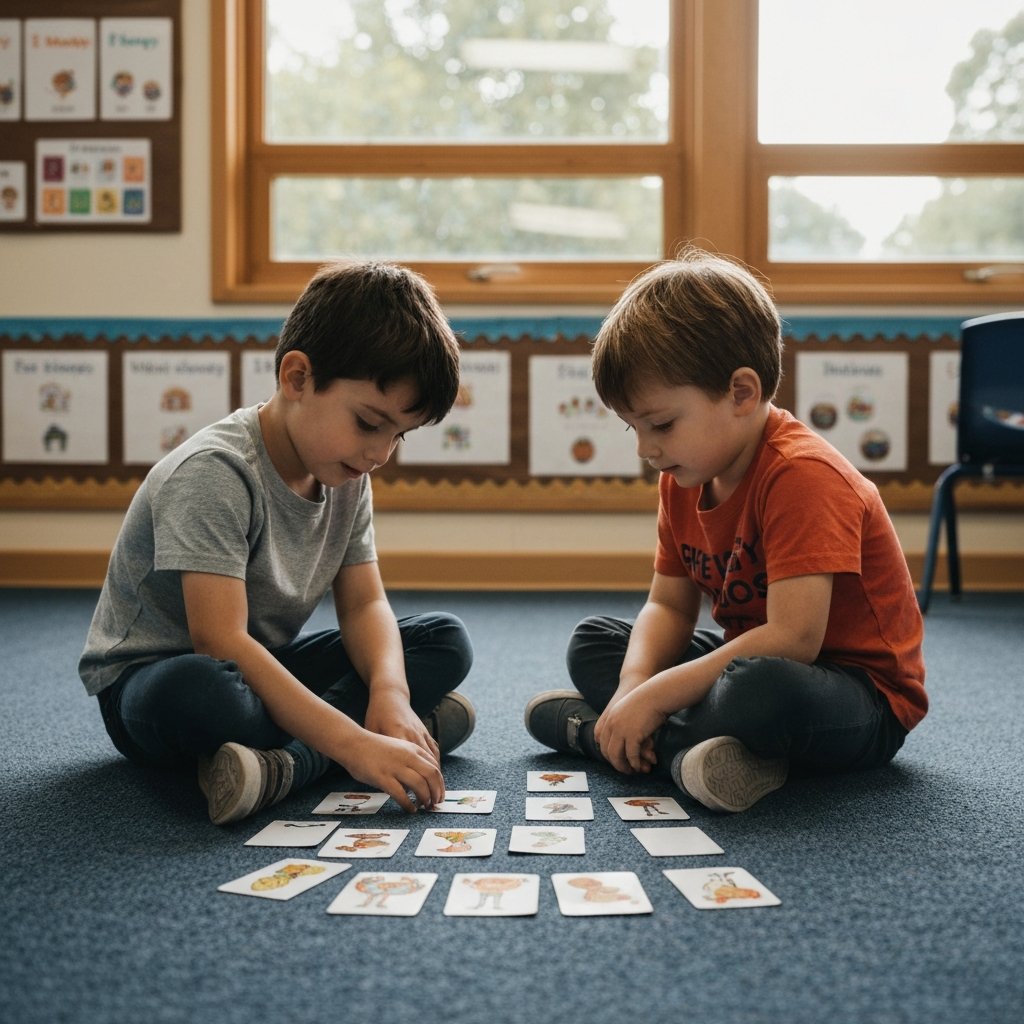
Match prints are versatile tools that make learning feel effortless for young children. These engaging activities help preschoolers develop crucial visual discrimination skills, which are fundamental for learning to read and write. By searching for pairs, your child sharpens their attention to detail and improves their ability to spot similarities and differences.
Beyond just matching identical objects, these games encourage critical thinking and problem-solving. As your child handles the cards, they are also refining their fine motor skills. Let's look at 12 creative ideas for match prints that you can incorporate into your child's playtime.
1. Animal Matchbook Prints – Matching Animal Pictures for Kids
Animal-themed matching prints are a classic for a reason. Young children are naturally drawn to animals, making this an instantly engaging activity. You can use pairs of cards with identical animal pictures to create a simple memory game. As your child flips the cards to find a match, they are enhancing their visual discrimination and concentration in a truly enjoyable way.
This type of themed matching game is also a great way to expand your child’s vocabulary. You can talk about the names of the animals, the sounds they make, and where they live. For an added challenge, you could use cards that match an animal to its footprint or a baby animal to its parent. This encourages a deeper level of thinking and observation.
- Match identical animal pictures to build basic recognition.
- Pair an animal with its natural habitat for a science connection.
- Use cards that match an animal to its shadow to improve shape perception.
2. Shape Matching Prints Art – Recognising Basic Shapes
Introducing basic shapes is a cornerstone of early maths education, and shape matching makes it a fun way to learn. Using sets of cards with circles, squares, triangles, and other shapes helps your child build a strong foundation in geometry. They will learn to identify these shapes in a hands-on, interactive manner that holds their attention.
This activity directly supports visual discrimination, as your child must distinguish between different shapes. You can start with simple 2D shapes and gradually introduce more complex 3D shapes as their skills grow. Educational suppliers often provide high-quality sets of cards for these preschool learning activities, making it easy for Canadian parents to find resources.
- Start with matching identical basic shapes like circles and squares.
- Progress to matching a 2D shape with a real-world object of the same shape.
- Challenge your child by matching 3D shapes.
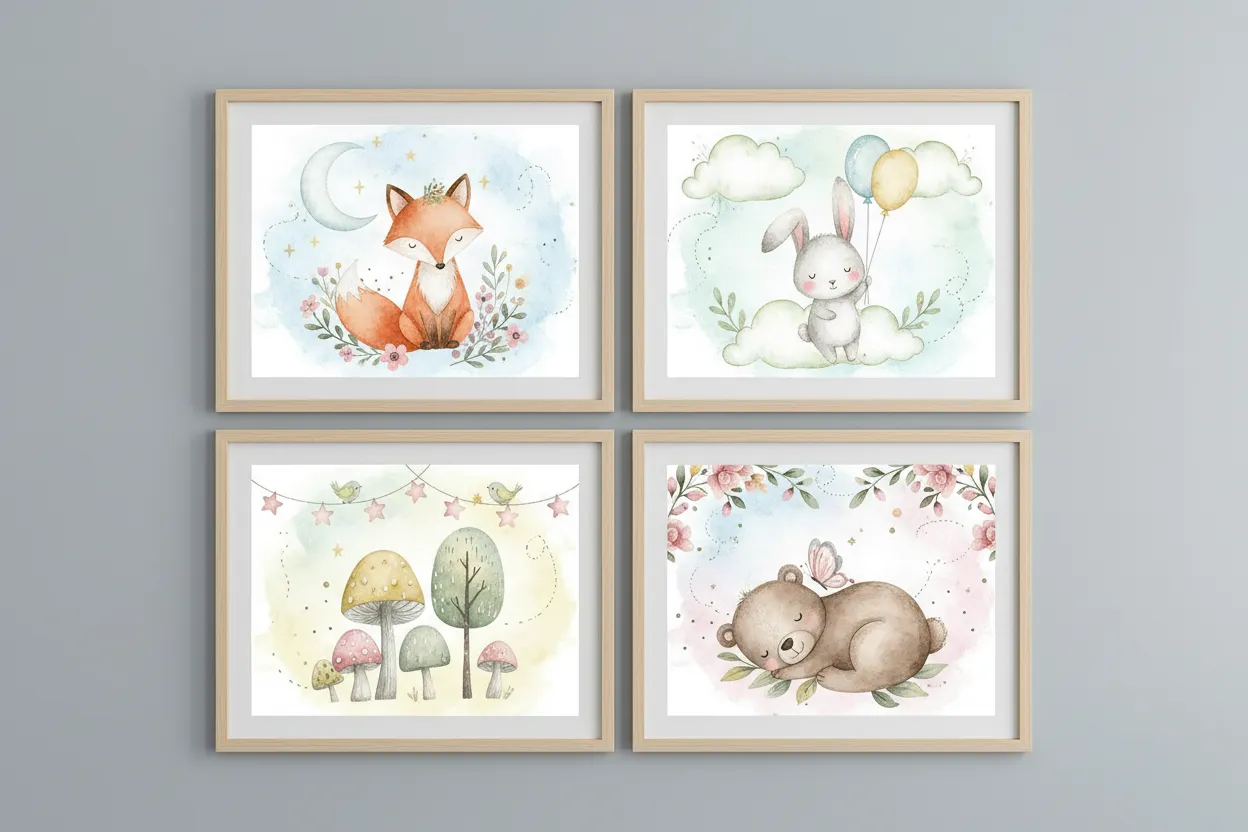
3. Colour Matchbook Pictures – Building Colour Recognition
Colour recognition is a vital skill for preschoolers, and a colour matching game is one of the most effective fun activities to teach it. Using vibrant matching prints, you can help your child learn the names of different colours while they play. This simple game strengthens their visual discrimination abilities as they learn to differentiate between hues.
To make the game more dynamic, you can use picture cards that show an object of a certain colour and ask your child to match it with a solid colour card. For example, they could match a picture of a red apple to a red square. This connects the abstract concept of colour to the world around them, making learning more meaningful.
- Match pairs of cards with the same solid colour.
- Pair a coloured object with its corresponding colour name.
- Create a scavenger hunt where your child finds objects that match the colour on a card.
4. Alphabet Match Prints Book – Letter and Word Matching
An alphabet matching game is an excellent tool for promoting early literacy. These activities help children become familiar with the letters of the alphabet in a pressure-free environment. You can create a memory matching game with pairs of uppercase and lowercase letters, helping your child understand that both forms represent the same letter.
Another engaging variation is to match a letter with picture cards that depict an object starting with that letter's sound. This not only reinforces letter recognition but also builds phonemic awareness and expands vocabulary. It’s a wonderful way to lay the groundwork for reading and writing, contributing to language development in toddlers.
- Match uppercase letters to their lowercase counterparts.
- Pair a letter with a picture of an object that begins with that letter.
- For older children, match a simple word to its corresponding picture.
5. Number Matching Print – Early Numeracy Practice
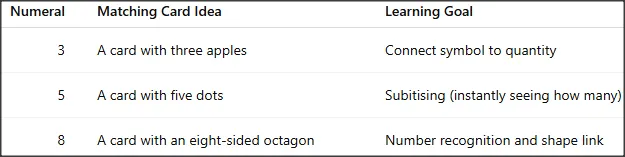
Number matching prints are perfect for introducing early numeracy skills. A number recognition memory game makes learning to count and identify numerals an exciting challenge rather than a chore. These matching prints can help your child connect the numeral (the symbol) to the quantity it represents, a key concept in cognitive development in children.
You can create sets of cards that require your child to match a numeral to a card with the corresponding number of dots or objects. This multi-sensory approach helps solidify their understanding of numbers. Proper printing of the cards ensures they are clear and easy for little hands to manage.
6. Emotion Matchbook Prints – Identifying Feelings Through Pictures
Understanding and identifying feelings is a critical part of social-emotional learning. Emotion cards featuring different facial expressions provide a safe and simple way to start these important conversations with your child. By matching pairs of cards showing happy, sad, or angry faces, children improve their visual discrimination while learning to recognise emotions in others.
You can use illustrations of characters or real photos to create your emotions cards. Ask your child to mimic the facial expressions they see on the cards, which helps them connect the visual cue to the physical feeling. This activity builds empathy and emotional intelligence, which are vital executive function skills.
- Match identical facial expressions to learn basic emotions.
- Pair an emotion card with a scenario that might cause that feeling.
- Use the cards to have your child share a time they felt that emotion.
7. Nature and Seasons Match Pictures for Kids
Bring the outdoors inside with a themed matching game focused on nature and the seasons. This is a fantastic way to teach your child about the world around them. You can create sets of cards featuring different leaves, flowers, or animals found in nature. As they play, they develop stronger visual discrimination skills by noticing the subtle differences between items.
A seasons-themed game can help children understand the passage of time and the changes that come with it. Match pictures of snowflakes for winter, suns for summer, colourful leaves for autumn, and blooming flowers for spring. Educational resource sites, such as LearningTime, offer many ideas for Canadian parents looking to engage in outdoor learning for kids.
- Match different types of leaves or flowers.
- Pair seasonal items, like a snowman with a snowflake.
- Match animals to their natural habitats.
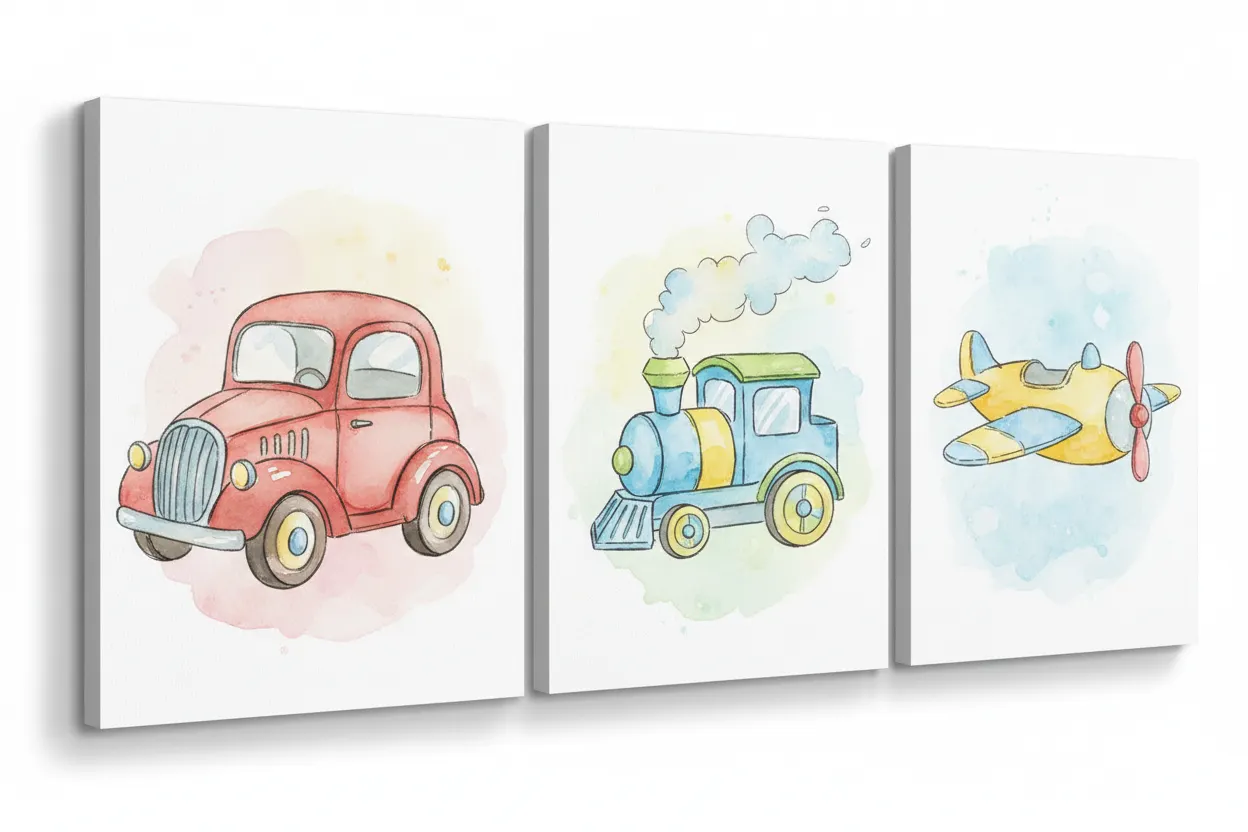
8. Vehicle Matching Prints Art – Cars, Trucks, and More
For many young children, a fun memory game featuring cars, trucks, and other forms of transportation is an immediate hit. A vehicle matching activity taps into their interests while building important cognitive skills. As they search for pairs of fire engines or aeroplanes, they are sharpening their visual discrimination and concentration.
This is also an effective way to teach vocabulary. You can introduce words like "excavator," "helicopter," and "cargo ship," expanding your child's knowledge of transportation. A high-quality set of cards makes for a durable game that can withstand enthusiastic play, turning a simple interest into a valuable learning opportunity.
- Match identical pictures of different vehicles.
- Pair a vehicle with the environment it operates in (e.g., a boat with water).
- Create a more challenging game by matching a vehicle to its shadow.
9. Food Matchbook Pictures – Exploring Healthy Eating Concepts
Food is a relatable and engaging theme for a matching game. Using matching prints of different foods, you can help your child learn the names of fruits, vegetables, and other items. This activity enhances visual discrimination as your child looks for pairs of cards, whether it's two identical pictures of a banana or two different types of berries.
You can also use this game to introduce concepts of healthy eating. Create sets of cards that group foods into categories like fruits, vegetables, grains, and proteins. This play-based learning approach makes it easier for children to absorb information about nutrition. It is one of many fun activities for family bonding.
- Match identical pictures of various food items.
- Group foods by colour (e.g., red apple and red tomato).
- Sort cards into healthy and "sometimes" food categories.
Related Articles:
Christmas Personalized Book Ideas to Create Magic for Kids
Best Picture Books for Kids: Winter Solstice Months
Conclusion
In conclusion, incorporating match prints into preschool learning can significantly enhance early development in a fun and engaging way. These creative activities not only promote essential skills such as colour recognition, numeracy, and emotional understanding but also make learning an enjoyable experience for young children. By exploring the diverse range of match prints, parents and educators can foster curiosity and a love for learning in their little ones. As you embark on this exciting journey, remember that these resources can be a valuable addition to your teaching toolkit. Happy learning!
Frequently Asked Questions
How do matching print activities support early learning for preschoolers?
Matching activities are a fun game for young children that significantly boost early learning. They enhance visual discrimination, improve concentration, and strengthen memory. Handling the cards also refines fine motor skills, making this type of memory matching essential for well-rounded early childhood development and preparing for preschool learning activities.
Where can parents find creative matchbook prints for teaching vocabulary?
Parents can find excellent ideas for creative match prints on educational resource websites and blogs focused on early childhood development. Specialists in personalized children’s books, like LearningTime, often provide inspiration for picture cards that help expand vocabulary. Properly printing these materials at home or a local shop ensures their quality.
Are matchbook prints suitable for gifts or classroom displays in Canada?
Absolutely. A themed matching game makes a thoughtful and educational gift, perfect for grandparent gifting or birthdays. For classroom display purposes, printing the cards on sturdy material and laminating them ensures durability. They serve as wonderful, interactive educational activities that can be used repeatedly by Canadian parents and teachers alike.
Reference:
https://teachingbundles.com/preschool-worksheets/preschool-matching-worksheets/
https://superstarworksheets.com/matching-game-printables/
https://www.worksheetme.com/matching-worksheet
https://www.preschoolplayandlearn.com/preschool-matching-worksheets/
https://atozworksheet.com/matching-worksheet-for-nursery/
https://www.twinkl.com/collection/matching-activity-worksheet
https://www.123homeschool4me.com/preschool-matching-worksheets/
Written with Augmented Intelligence and SHiNER The Human